


moon festival
Moon Festival 2025: Japan’s Great Mid-Autumn Event

Karina Ikedo

Posted on September 09, 2025
Share:
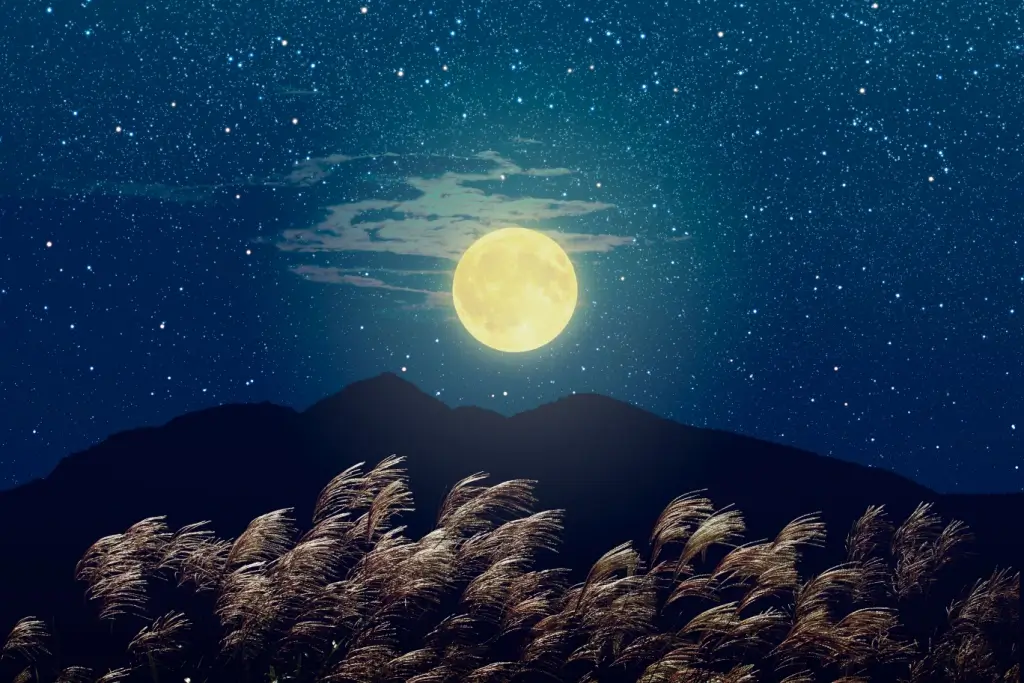
Every autumn, people in Japan gather for the mid-autumn moon festival, which is also called tsukimi (moon viewing). The festival mixes natural beauty, poetry, folklore, and tasty seasonal foods into one glowing celebration. It began long ago as a harvest ritual.
Over time, it grew through Heian court life, Buddhist stories, silver pampas fields, and even modern art. Today, tsukimi still inspires people. It reminds them to pause, look up, and reflect under the shining autumn moon. Keep reading to see how tsukimi links poetry, tradition, and today’s culture in Japan.
What is tsukimi?
Tsukimi happens on the 15th night of the 8th lunar month. On this night, the moon is believed to shine at its fullest. Families place susuki (pampas grass) in vases and prepare tsukimi dango (round rice dumplings). They also offer autumn foods like taro (taro root) to the glowing moon.
These traditions celebrate the harvest and are thought to guard against bad luck. What makes tsukimi special is its mix of simple joy and deep meaning. It is a family gathering, a cultural performance, and a quiet time to reflect on life’s fleeting beauty.
Pampas Grass: Nature’s Silver Lantern
One of the most famous symbols of tsukimi is susuki (pampas grass)
Its feathery plumes shine silver under the moon. It serves as both a seasonal decoration and a spiritual charm. In poetry, Heian courtiers compared susuki to life’s shortness.
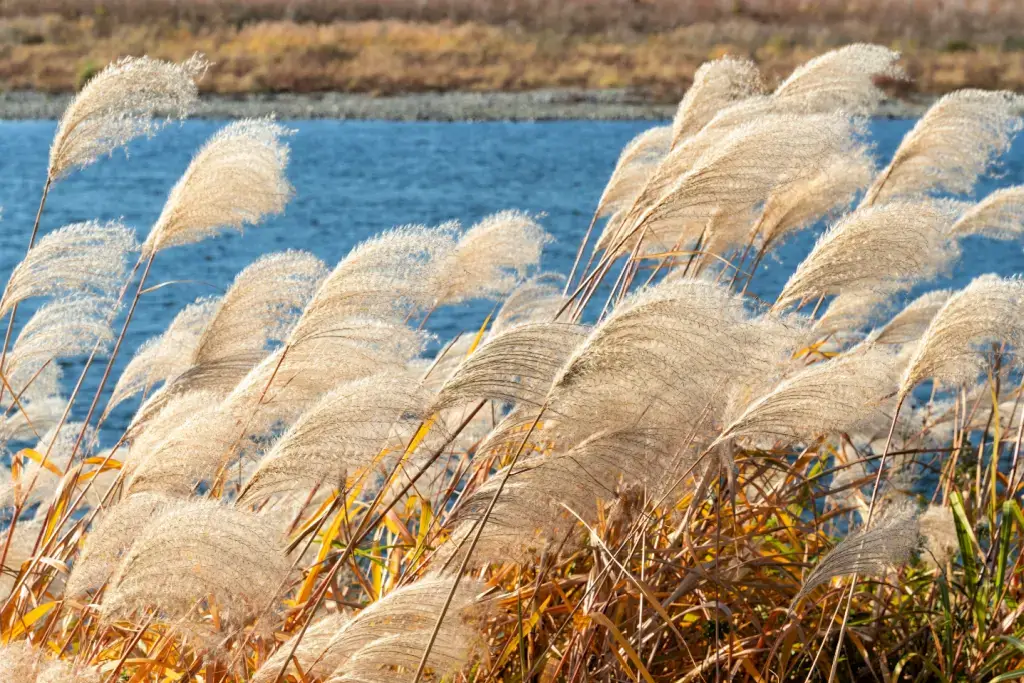
Families also believed placing susuki near doors could keep away evil. Some of Japan’s most beautiful pampas fields are unforgettable under the moonlight. In Sengokuhara, Hakone, golden grass becomes a silver sea at night.
On Mount Aso’s volcanic slopes, waves of pampas grass ripple across the land. The Hiruzen Highlands in Okayama offer broad plateaus filled with pampas and cool breezes. Oishi Kogen in Wakayama is a favorite for photographers, who capture its beauty at sunset and moonrise.
Folktales of the Moon: Rabbits, Monkeys, and Lessons Learned
Stories told under the autumn moon added essential life lessons to the celebration. The Moon Rabbit tells of a rabbit that sacrificed itself to feed a traveler. The rabbit was placed on the moon as a reward, symbolizing compassion.
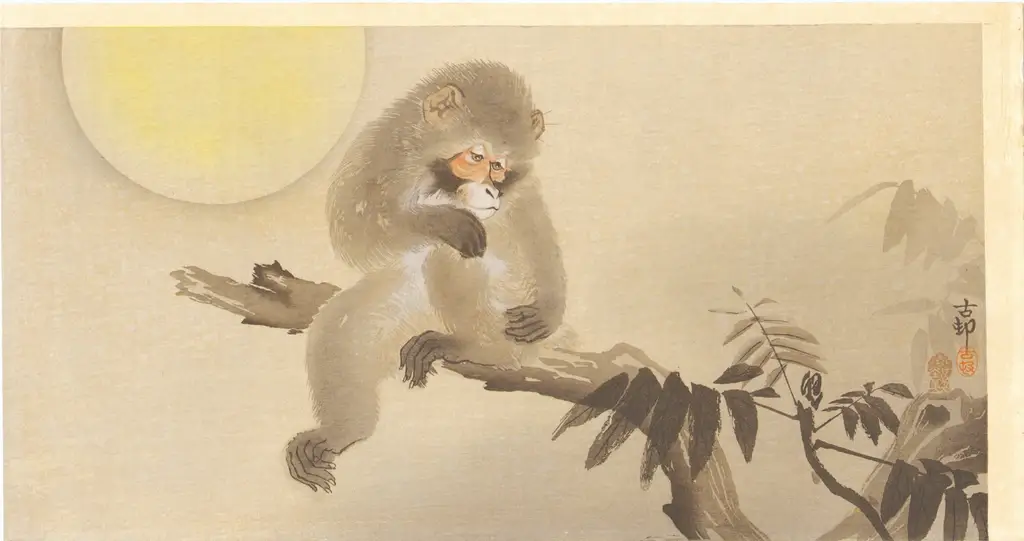
In The Monkey and the Moon, monkeys mistake the moon’s reflection in water for the real moon. They try to save it but fall in, teaching a lesson about chasing illusions. These folktales remain central to tsukimi today. They mix humor, kindness, and reflection beneath the glowing autumn moon.
Heian Court Moon Viewing: Poetry and Elegance
The practice of tsukimi, or moon viewing, grew during the Heian court period (from 794 to 1185). Aristocrats turned moon-viewing into an elegant art. Gatherings happened in palace gardens or boats drifting across ponds. Courtiers wrote poetry, played music, and floated sake cups on the water. The moon was not just admired; it appeared in Japan’s earliest literature, including The Tale of Genji.
Would you like to enjoy tsukimi-inspired snacks this September? Check out Sakuraco! Sakuraco delivers traditional Japanese snacks, teas, and sweets from local Japanese makers directly to your door so you can enjoy the latest treats directly from Japan!

Junihitoe and Moon Festival Traditions
During the Heian period, the junihitoe (twelve-layer robe) was very popular, and moon-viewing was a significant event. Aristocrats gathered in palace gardens or rode boats under the bright autumn moon, dressed in beautiful, layered robes. They wrote poetry, listened to music, and admired the night sky together.
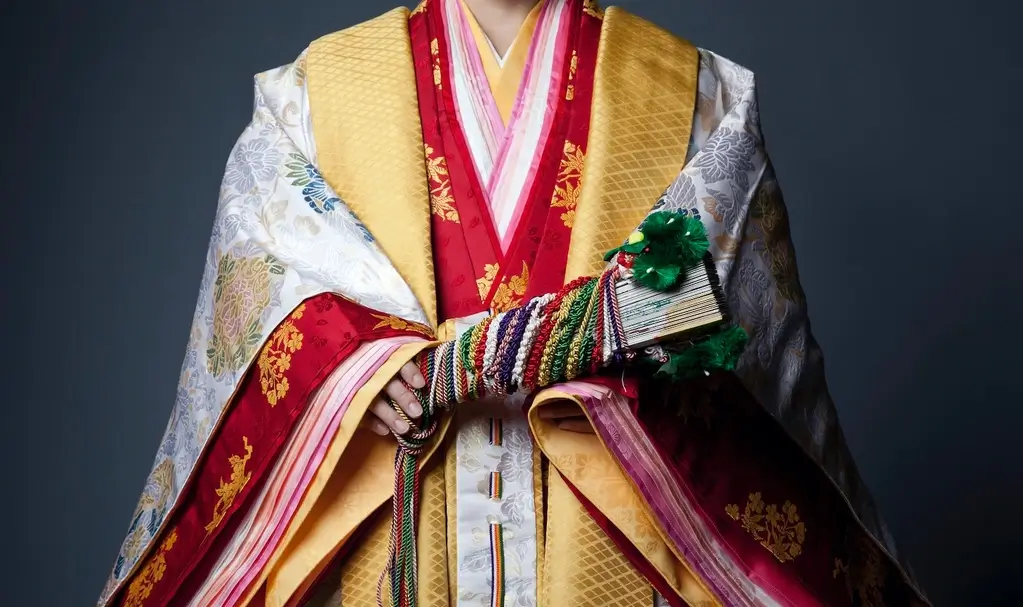
The colorful layers of the junihitoe reflected the changing seasons, making it perfect for moonlit evenings. These gatherings mixed art, fashion, and nature, showing that the robe was more than clothing; it was part of cultural life.
Gokokucha: A Moonlit Companion
No tsukimi night is complete without exceptional food and drinks. Families enjoy rice dumplings, seasonal foods, and warm teas. One popular choice is gokokucha (five-grain tea). It roasts barley, rice, corn, soybeans, and buckwheat.
Gokokucha tastes nutty and toasted. It has no caffeine, so you can drink it while watching the moon at night. Long ago, families used roasted grains because tea leaves were rare. It became a comforting drink for festivals and family gatherings. Like tsukimi, gokokucha helps people slow down, reflect, and enjoy simple moments under the glowing autumn moon.
Japanese Moon Art: Capturing Lunar Beauty
The moon has inspired Japanese art for centuries, from painted scrolls to ukiyo-e prints. Princess Kaguya by Toyohara Chikanobu shows the bamboo princess returning to the moon. Black and White Monkeys Trying to Catch the Moon by Kano Tsunenobu is based on the monkey folktale. Ukiyo Junikagetsu by Ogata Gekko shows everyday life under changing moons. Moon art is elegant and fleeting, just like the tsukimi festival itself.
The Moon Festival in the Modern Day
Today, tsukimi is celebrated in fun and traditional ways. People enjoy foods like moon-viewing dango or egg-topped tsukimi burgers. Events also play an essential role. Shrines and gardens host moon-viewing nights with tea, music, and lanterns. Pampas grass fields and historic sites often hold seasonal festivals for people to see tsukimi’s beauty.
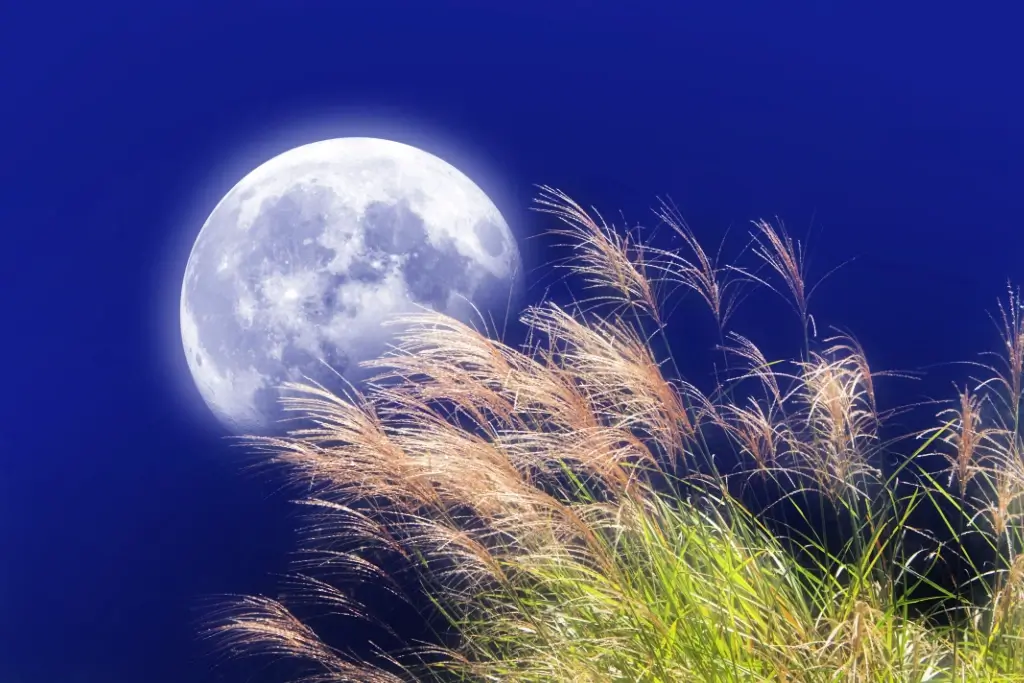
Even without the splendor of the Heian court, people still honor the moon. Families and friends gather on balconies, in parks, or cafés. Modern tsukimi reminds everyone to pause, reflect, and enjoy the season’s fleeting beauty. Have you ever celebrated tsukimi with family or friends? Which tsukimi tradition, food, folktales, or moon-viewing are the most special? Let us know in the comments below!
Discover authentic flavors with Sakuraco
Get Sakuraco 
Discover authentic flavors with Sakuraco
Get Sakuraco
Related Articles
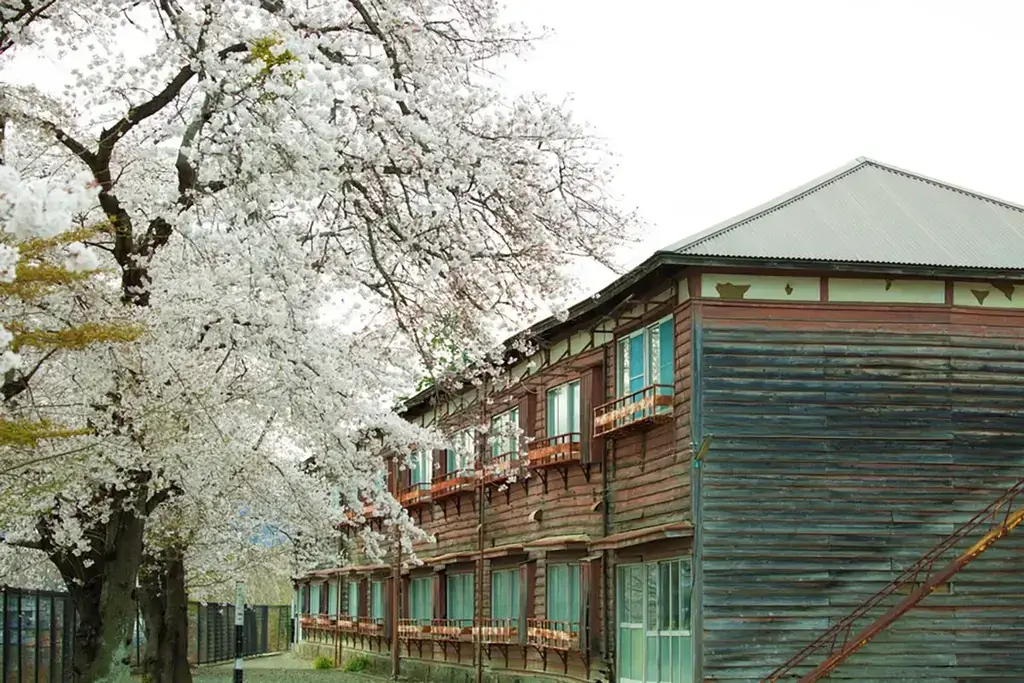
Tomioka Silk Mill: The Factory That Helped Modernize Japan
The Tomioka Silk Mill is one of Japan’s most important industrial heritage sites. Located in Tomioka City in Gunma Prefecture, the mill played a major role in Japan’s modernization during the late 19th century.
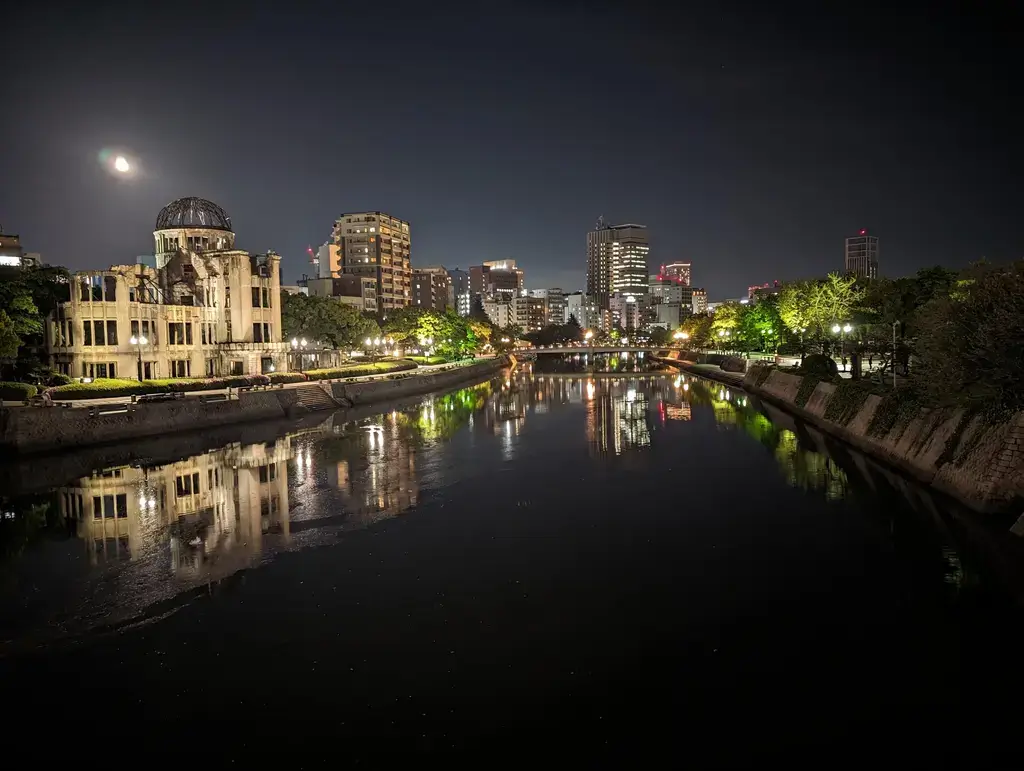
Hiroshima: History, Food, and Scenic Destinations
Hiroshima is one of Japan’s most historically important and culturally rich regions. Located along the Seto Inland Sea in western Japan, Hiroshima Prefecture is known for its history, food, and coastal scenery.
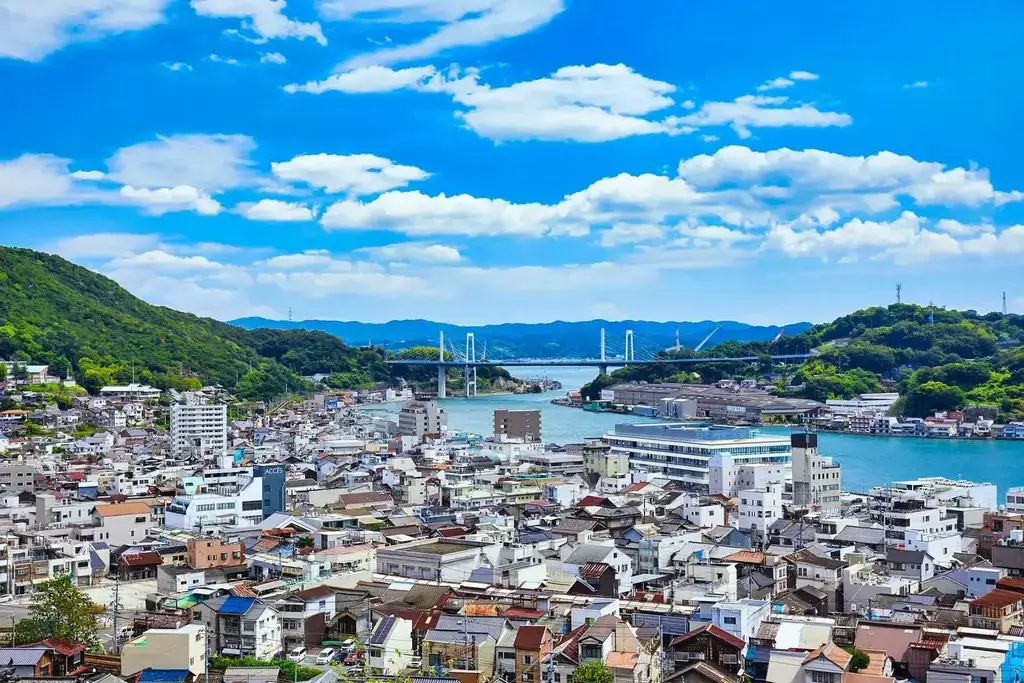
Onomichi: Hiroshima’s Historic Port City by the Seto Inland Sea
Onomichi is one of Hiroshima Prefecture’s most scenic and historic cities. Located along the Seto Inland Sea, Onomichi is known for its hillside temples, narrow streets, old shopping arcades, and waterfront views. The city has long been an important port town and remains popular with travelers seeking a quieter, more traditional side of Japan.
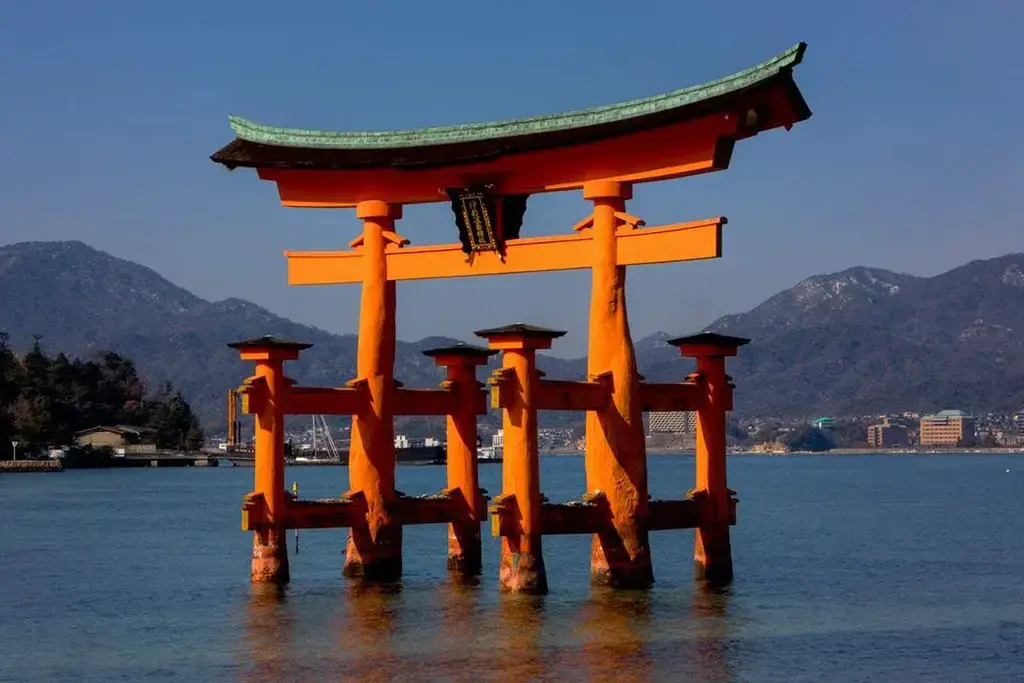
Miyajima: Hiroshima’s Famous Island of Shrines, Deer, and Scenic Views
Miyajima is one of Japan’s most famous islands and one of Hiroshima Prefecture’s best-known tourist destinations. Officially called Itsukushima, the island is better known by the nickname “Miyajima,” which means “shrine island” in Japanese.