


Japanese History Spotlight: Who Was Niijima Yae?

Thalia Harris

Posted on April 17, 2026
Share:
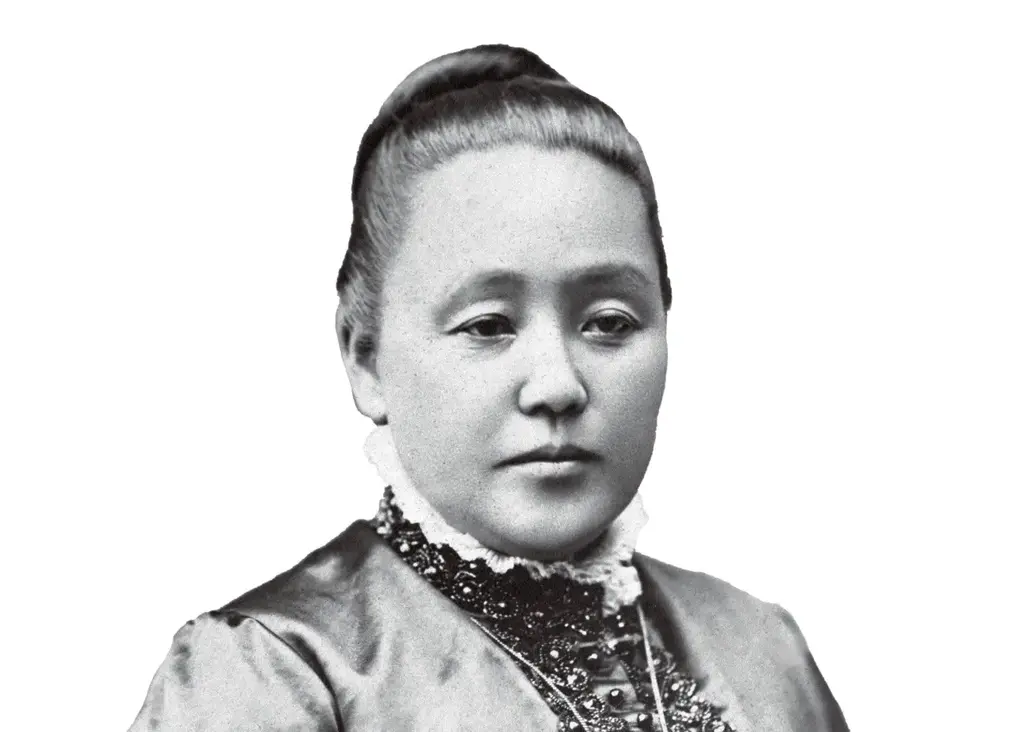
Niijima Yae stands among the most remarkable figures to emerge from Japan’s transition from the late Edo period to the modern Meiji era. Her life spanned a time of upheaval and reinvention, carrying her from the battlefields of a collapsing feudal order to the classrooms and hospitals of a rapidly modernizing nation. Warrior, educator, and humanitarian, Yae’s story reflects both personal resilience and the broader transformation of Japan itself.
Samurai Roots in Aizu
Yae was born in 1845 in Aizuwakamatsu, a castle town in Aizu Domain, now part of Fukushima Prefecture. She was the daughter of Yamamoto Gonpachi, a gunnery instructor serving the ruling Aizu-Matsudaira clan. Her upbringing was unusual for a samurai woman of the time.
While most women were trained in domestic skills and the use of the naginata for defense, Yae received direct instruction in firearms from her father. She became proficient with rifles, a rare skill that would later define her role in war. At the same time, she studied Confucian ethics, literature, and calligraphy, reflecting the intellectual discipline expected of samurai families. This dual education—both martial and scholarly—prepared her for a life that would defy traditional expectations.
Aizu Domain itself was known for its strict code of loyalty and discipline. Its samurai were deeply devoted to the Tokugawa shogunate, a commitment that would soon draw them into one of the most consequential conflicts in Japanese history.
The Boshin War and the Fall of Aizu
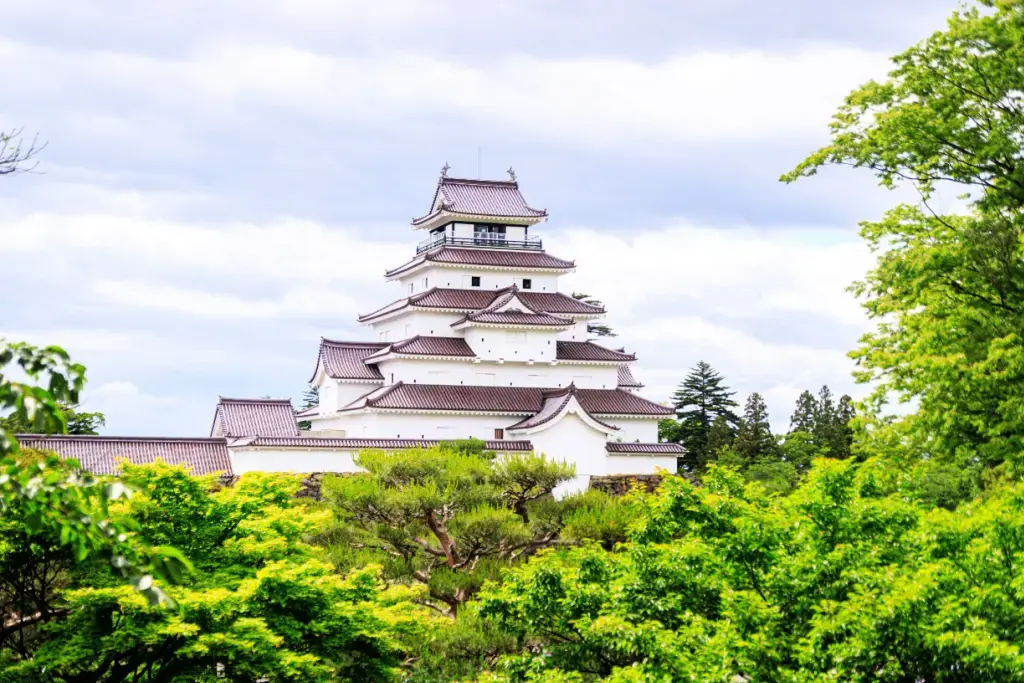
In 1868, the Boshin War erupted as forces supporting imperial rule moved to overthrow the Tokugawa shogunate. Aizu Domain, steadfast in its loyalty, became a major target. During the siege of Tsuruga Castle in Aizu, Yae took up arms alongside the domain’s defenders. She is widely remembered for fighting with a rifle, an extraordinary role for a woman at the time. Though detailed battlefield accounts are limited, historical and family records support her active participation in the defense.
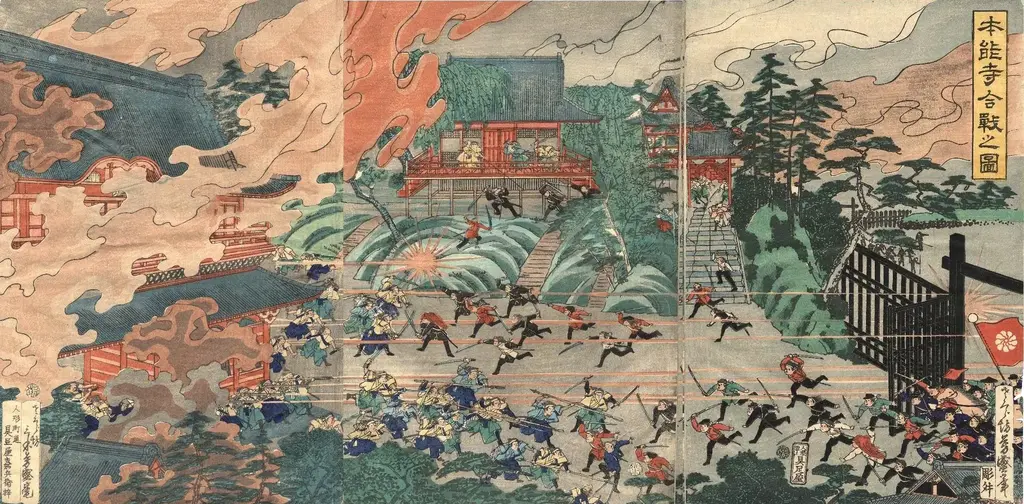
The siege was intense and ultimately devastating. After weeks of resistance, the Aizu forces surrendered. The fall of the domain marked not only a military defeat but the end of an entire way of life. Samurai lost their status, and the social order that had shaped Yae’s upbringing disappeared almost overnight.
Reinvention in Kyoto
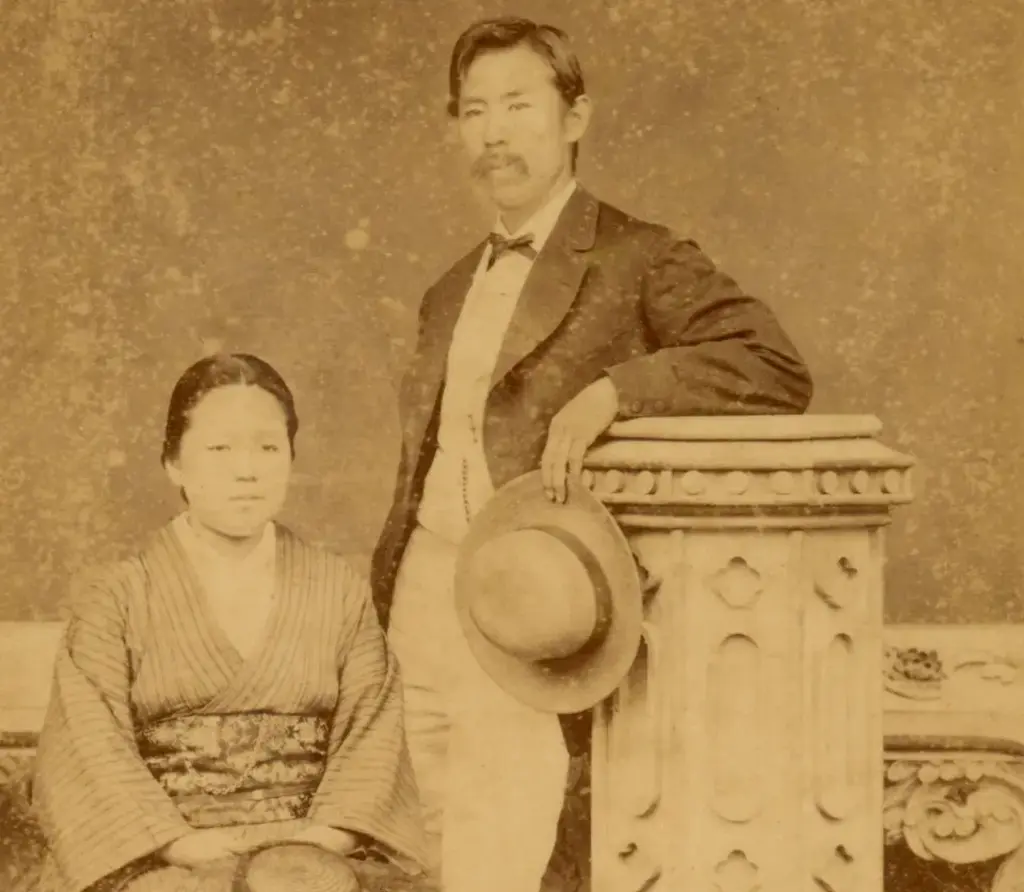
In the years following the war, Yae rebuilt her life in a dramatically changing Japan. She eventually moved to Kyoto, where she married Joseph Hardy Neesima in 1876. Neesima was a pioneering educator and one of the first Japanese individuals to study abroad in the United States. He later founded what would become Doshisha University.
Through her marriage, Yae entered a new world shaped by Western ideas, Christianity, and modern education. She converted to Christianity and became an active supporter of her husband’s educational mission. While she did not hold formal leadership roles within the institution, her presence and support were vital to the growth of the Doshisha community.
After Neesima’s death in 1890, Yae remained closely connected to the school and its broader mission. She also supported efforts to expand educational opportunities for women, contributing to a gradual shift in attitudes toward female education in Japan.
Are you looking for great snacks to enjoy after learning Japanese history? Check out Sakuraco! Sakuraco sends traditional Japanese snacks, teas, and sweets from local makers straight to your door each month!

Nursing and Wartime Service
Later in life, Yae found a new way to serve society through humanitarian work. She became involved with the Japanese Red Cross Society, which was helping introduce modern nursing practices to Japan. She volunteered as a nurse during the First Sino-Japanese War and again during the Russo-Japanese War. These conflicts marked Japan’s emergence as a modern military power and highlighted the growing importance of organized medical care on the battlefield.
Yae’s contributions were part of a broader movement that expanded women’s roles in public service. Her work demonstrated discipline, compassion, and adaptability—qualities that had defined her since her youth in Aizu. In recognition of her service, she was awarded the Order of the Precious Crown, one of the highest honors available to women at the time.
Legacy Across Eras
Niijima Yae lived until 1932, witnessing Japan’s transformation from a feudal society into a modern nation-state. Few individuals experienced such a dramatic shift in political, social, and cultural life as directly as she did.
Today, her legacy is preserved in both Kyoto and her native Aizu region. In Aizuwakamatsu, she is remembered as a symbol of resilience and loyalty, while in Kyoto, her connection to Doshisha University is still honored. Her life has also been reintroduced to modern audiences through historical studies, literature, and television, ensuring that her story remains widely known.
More than a figure of historical curiosity, Yae represents a bridge between two worlds. She was born into the rigid hierarchy of the samurai class, fought to defend it, and then adapted to a new era defined by education, global exchange, and social reform. Her journey from castle ramparts to classrooms and hospital wards reflects the broader transformation of Japan during one of its most pivotal periods.
In the end, Yae’s life reminds us that history is not shaped only by political leaders and generals, but also by individuals who adapt, endure, and contribute in multiple ways. Through war, education, and service, she left a legacy that continues to resonate in modern Japan.
Cited Sources
- Tokyo Weekender. “Niijima Yae: Japan’s Joan of Arc and Florence Nightingale“.
- Unseen Japan. “Yamamoto Yae: The Warrior Woman Who Never Stopped Serving.”
- Samurai City Aizuwakamatsu. “Niijima Yae”.

Discover authentic flavors with Sakuraco
Get Sakuraco 
Discover authentic flavors with Sakuraco
Get Sakuraco
Related Articles
Wakayama Prefecture: Best Tourist Sites to Visit
Wakayama Prefecture has long served as a pilgrimage route and a resource-gathering area in Japan. This still holds true today. Its mountains, coastlines, and sacred grounds still draw people to the area for the same reasons. But today, it also supports modern tourism alongside its traditional fishing and spiritual communities.
Traveling to Kiso Valley: Why Should You Visit?
Long ago, this quiet region was one of Japan’s main travel routes, connecting people, timber, and knowledge across the country. Today, we’ll explore five sites in Kiso Valley, each with its own story and charm.

Lavender in Japan: Places to Enjoy Purple Fields
Japan’s seasonal plants and trees bring color to the country each year. However, it may surprise you to know that some of the most popular are not native Japanese plants at all. Lavender is one such seasonal flower that blankets landscapes during the summer months.