


kyoto bamboo forest
Kyoto Bamboo Forest Light Show: Illuminating Tradition and Nature

Savannah Walker

Posted on November 28, 2025
Share:
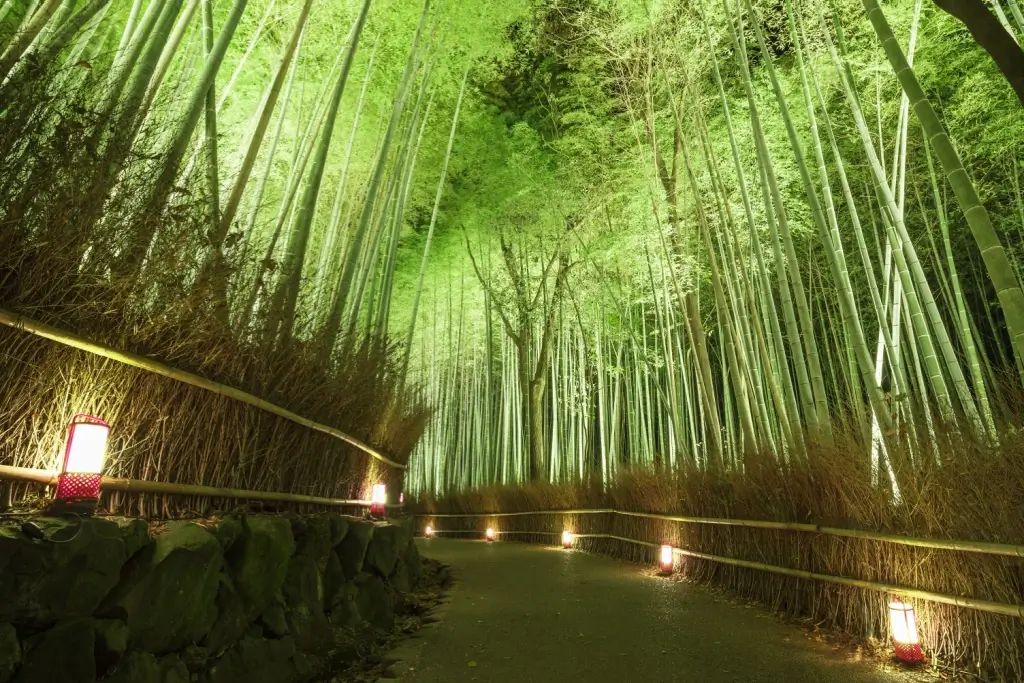
Every autumn, Kyoto’s Arashiyama Bamboo Grove (also known as the “Kyoto Bamboo Forest”) has mesmerized visitors with its mysterious charm and soothing atmosphere. The bamboo light show has returned in 2025 after a four-year break caused by the pandemic.
Soft lights now glow among the tall bamboo stalks and invite locals and tourists to enjoy a magical night walk in one of Japan’s most famous nature spots. The event celebrates Kyoto’s natural beauty. It also shows how tradition, sustainability, and community spirit share close connections.
What is the Kyoto Bamboo Forest Light Show?
Known previously as the Arashiyama Hanatouro illumination, this enchanting event has been reborn as the Arashiyama Tsukitouro. Throughout October, the main path near Sagatenryuji Temple is lined with hundreds of bamboo lanterns made from reclaimed bamboo. The lanterns light up after sunset, creating a soft, flickering glow among the swaying bamboo. The forest turns into a calm, dreamlike corridor. The gentle light invites visitors to walk quietly, reflect, and enjoy a warm, intimate atmosphere.
Why was the show paused, and what prompted its return?
The bamboo light show was halted for four years, partly due to the pandemic and related safety protocols for large gatherings. Now that life in Japan is returning to normal, the event is back. Many people are excited to see it again and to relive the exceptional experience they remember from past years.
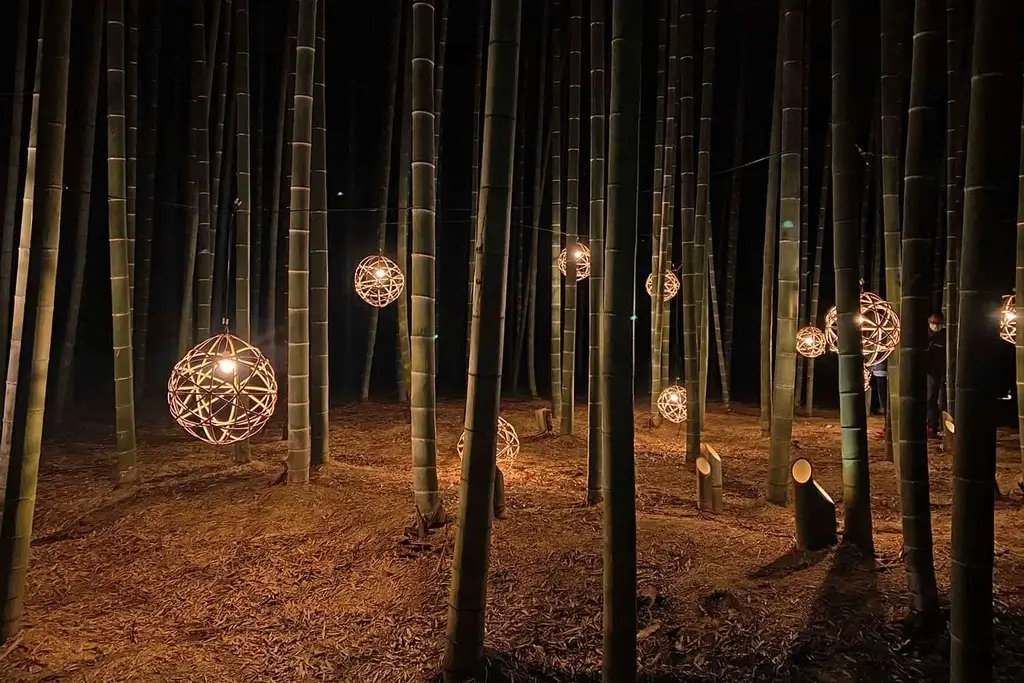
Local organizers wanted this revival to be more than just a light show. It is a celebration of autumn’s beauty in Kyoto and a reminder of the importance of sustainability. The bamboo lanterns used in the show come from thinning operations in local groves, carefully gathered and recycled through an artisanal process. This not only ensures a gorgeous glow but also promotes the health of Kyoto’s bamboo forests by encouraging sustainable forestry practices.
What can visitors expect?
Visitors walking through the illuminated Arashiyama Bamboo Grove at night will find the path lined with thousands of twinkling lights, guiding them through a forest alive with whispered breezes and soft shadows. The lantern’s warm glow harmonizes with the gentle rustling of bamboo leaves, creating a serene and mysterious atmosphere.
Alongside the bamboo illumination, nearby temples and shrines such as Otoshi Shrine and Yoshimine Temple host their own bamboo light events, extending the magical atmosphere throughout the landscape. Traditional performances, including live koto music and Noh theater, often accompany these events, blending art, nature, and culture into a complete sensory experience. These smaller festivals make it a memorable trip during your time in Kyoto, all while avoiding the crowds.
Are you looking for amazing snacks for the winter? Check out Sakuraco! Sakuraco delivers classic Japanese teas, ceramics, and sweets from local Japanese businesses straight to your door!

How does the light show connect to Kyoto’s heritage?
Kyoto’s bamboo forests have long inspired poets, artists, and travelers alike. The Arashiyama Bamboo Grove is not only a natural treasure but a cultural one, embodying the Japanese appreciation for seasonal change and subtle beauty.
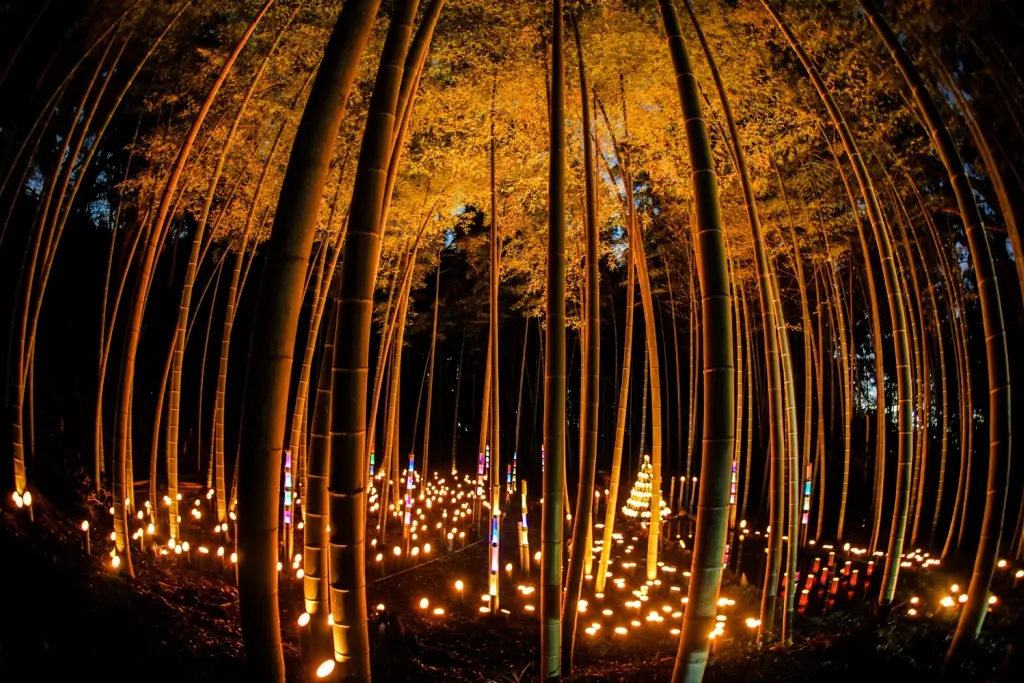
The revival of the bamboo light show also ties ancient tradition to a modern audience. By lighting lanterns with oil from the nuts of the Japanese torreya tree, a method used about a thousand years ago, the event honors historical practices while creating an eco-friendly spectacle. This connection to the past encourages visitors to reflect on Kyoto’s long history and the delicate balance between human life and nature.
What makes this event different in 2025?
The 2025 event features several new enhancements to the visitor experience, marking the first festival since 2021. While the enchanting bamboo lanterns illuminate the famous grove, a special digital art installation by an art collective adds modern touches without overwhelming the natural surroundings. Small, ticketed areas help manage crowd flow, ensuring everyone has a chance to appreciate the glow in a peaceful setting. Moreover, the event’s timing allows visitors to combine a sunset stroll with nearby dining experiences in Arashiyama, making it an unforgettable autumn evening outing.
Why should you not miss the light show in the Kyoto Bamboo Forest?
Kyoto is a city filled with historic temples, vibrant culture, and seasonal beauty, but few experiences blend nature and art so seamlessly as the bamboo light show. It offers a rare chance to walk through one of the world’s most iconic bamboo forests, bathed in light that feels both timeless and intimate.
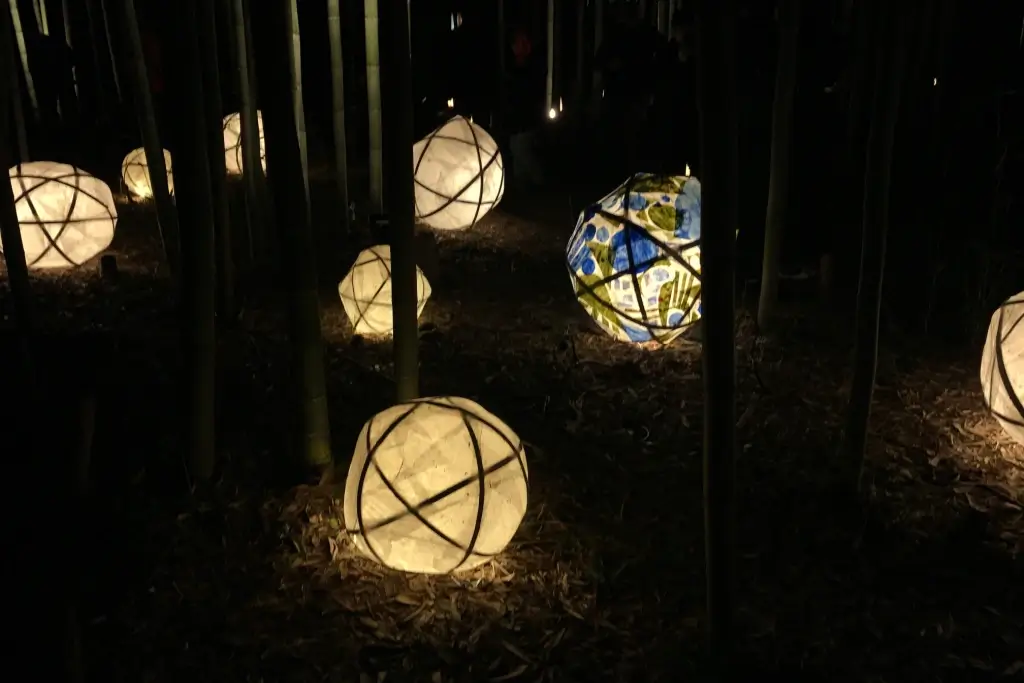
Overall, the revival of the bamboo light show is a magical way to celebrate autumn, deepen your connection with Japanese traditions, and enjoy the serene beauty of Kyoto under sparkling lantern light. It’s a moment of peace within a bustling world, one that leaves lasting memories long after the last lantern goes dark. Have you visited this festival before it closed, or do you have plans to visit it this year? Let us know in the comments below!

Discover authentic flavors with Sakuraco
Get Sakuraco 
Discover authentic flavors with Sakuraco
Get Sakuraco
Related Articles
Akidearest Talks About Living in Japan & Creating Content
Excerpt
Akidearest shares her journey as a creator, her experiences living in Japan, thoughts on internet culture, favorite anime, and the everyday moments that continue to inspire her both online and offline.

Okinawa Folklore: The Legends of Japan’s Southern Islands
Okinawa is famous for its beautiful beaches, unique culture, and rich history. Located in the southernmost part of Japan, the islands were once the independent Ryukyu Kingdom before becoming part of modern Japan.
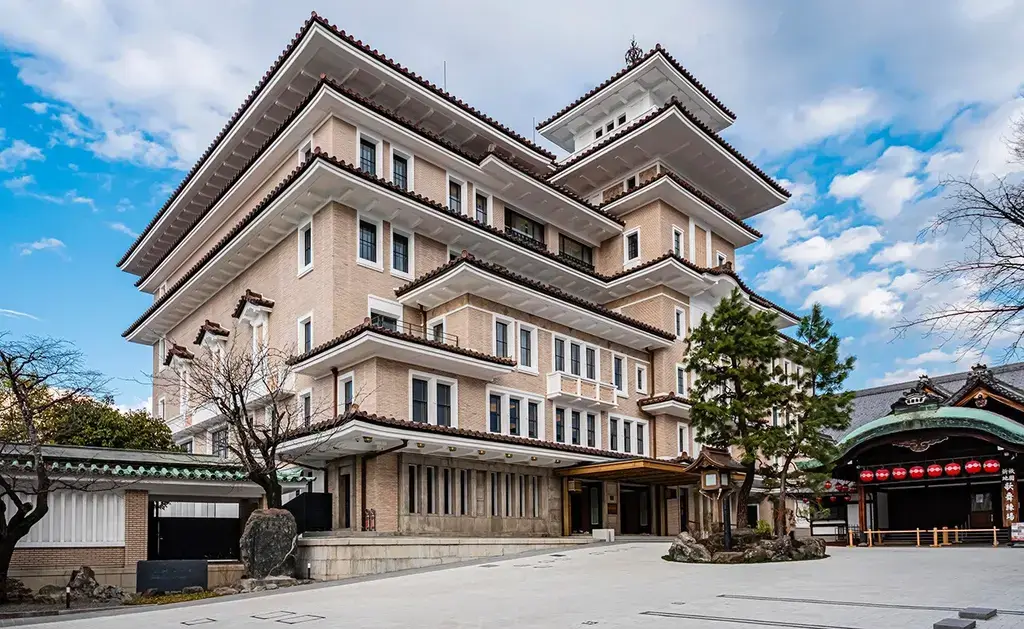
Imperial Hotel Kyoto: A New Chapter for a Historic Gion Landmark
The Imperial Hotel Kyoto represents one of the most significant hotel openings in Japan in recent years. Located in Kyoto’s famous Gion district, the luxury property combines modern hospitality with the preservation of an important cultural landmark.
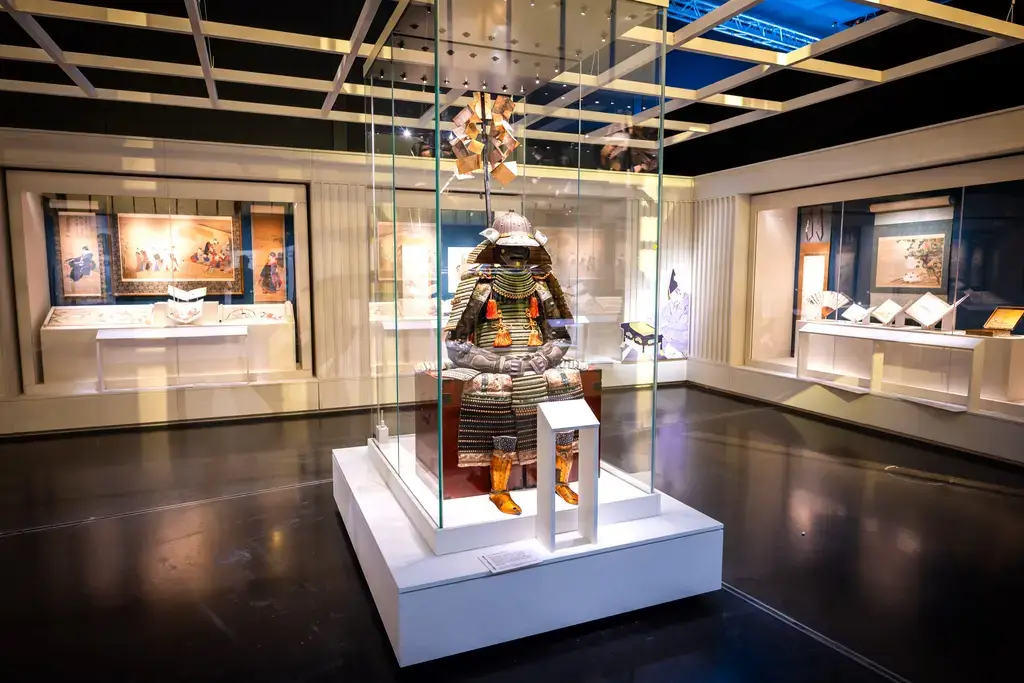
Samurai Exhibit at the British Museum Showcases Complex History
For many people outside Japan, the word “samurai” immediately brings to mind armored male warriors carrying swords into battle. Films, television, and video games have reinforced that image for decades. But the British Museum’s major 2026 exhibition, “Samurai,” presented a broader, more historically layered interpretation of Japan’s warrior class — including the important role women played within it.