


Kyoto Attractions: What is the Uzumasa Kyoto Village?

Thalia Harris

Posted on May 18, 2026
Share:
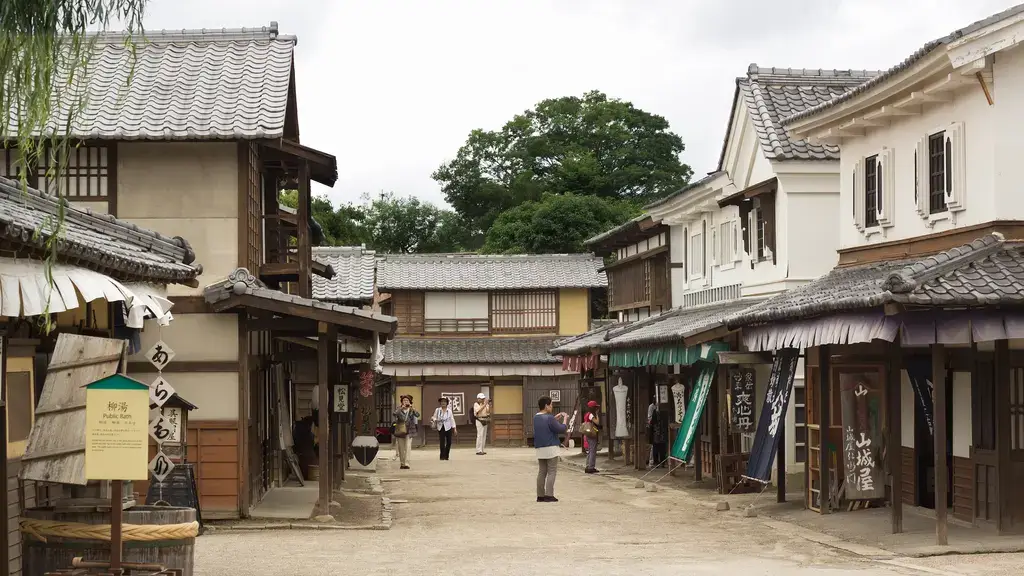
Kyoto is famous for preserving the past, but few attractions bring history to life quite like Uzumasa Kyoto Village. Opened on March 28, 2026, this large-scale redevelopment is the reimagined version of the long-running Toei Kyoto Studio Park. Rather than a completely new attraction, it represents a major transformation of a site that has been central to Japan’s film and television industry for decades.
Generally, the updated concept shifts the park toward a more immersive, adult-oriented experience. Visitors are invited to explore a recreated Edo-period town filled with detailed sets, live performances, and hands-on cultural activities. Instead of observing history from a distance, guests are encouraged to step directly into it. Let’s take a look to see why this place is a highlight among Kyoto’s attractions.
A New Direction for Kyoto Tourism
Kyoto’s appeal has long centered on temples, shrines, and preserved districts like Gion and Higashiyama. While these areas remain essential stops, they often offer a quieter, more passive form of sightseeing. Uzumasa Kyoto Village also takes a different approach by emphasizing interaction, atmosphere, and movement.
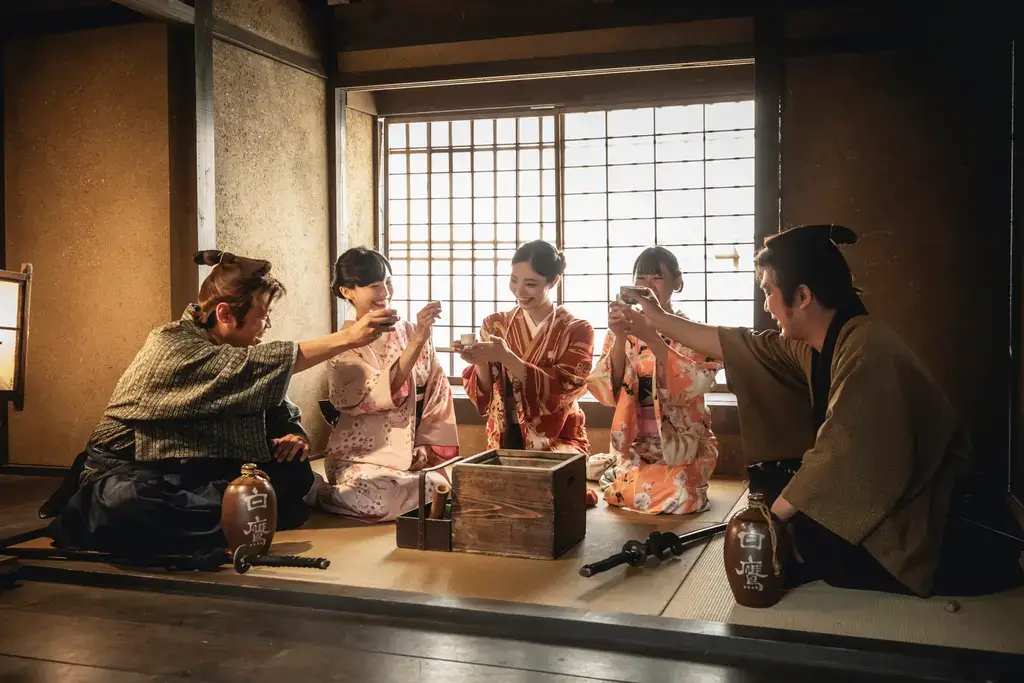
One of the most notable changes is the introduction of extended evening hours on select days. Nighttime tourism has traditionally been limited in Kyoto, but the village comes alive after sunset during these periods. Lantern-lit streets, illuminated storefronts, and live performances create a distinct setting that feels very different from the city’s more subdued historic sites.
Throughout the village, visitors encounter performers in period costumes representing Edo-era townspeople. These characters animate the streets and add to the sense of immersion. The layout is designed to encourage exploration rather than guide visitors along a fixed route, allowing each visit to feel slightly different.
Built on a Film Industry Legacy
What sets Uzumasa Kyoto Village apart from other historical attractions is its foundation in Japan’s film industry. The site has long been home to Toei’s Kyoto studio, where countless samurai films and historical television dramas have been produced. Toei Company continues to operate the park, and its in-house set designers played a central role in the redevelopment. These are the same professionals responsible for constructing detailed historical environments for film productions, and that expertise is visible throughout the village.
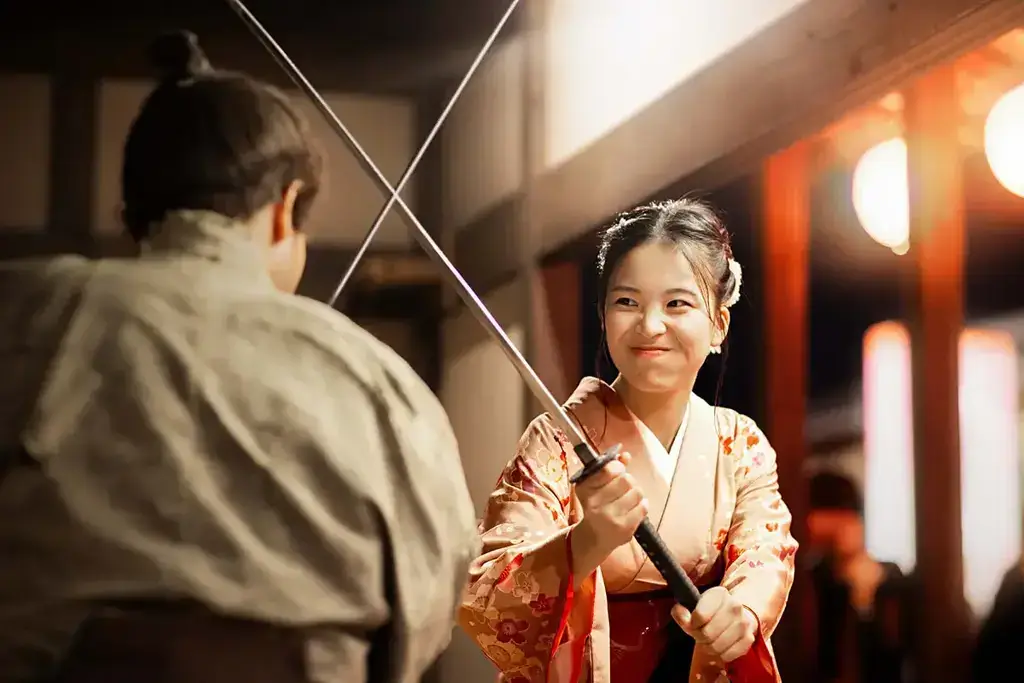
The streets are not simple facades. Buildings are constructed with the same level of detail used for filming, from wooden exteriors and tiled roofs to narrow alleyways and hidden courtyards. This gives the environment a realism that goes beyond typical themed attractions. Because of this cinematic background, samurai-era storytelling remains central to the experience. Generally, sword-fighting demonstrations, action performances, and dramatic reenactments draw directly from the traditions of Japanese period dramas.
Kyoto Attractions That Go Beyond Sightseeing
Uzumasa Kyoto Village is designed to be interactive. Rather than focusing solely on visual appeal, the park offers activities that allow visitors to engage more directly with traditional culture. Guests can take part in tea ceremonies or rent a kimono to explore the village in period attire. There are also performance-based experiences inspired by traditional performing arts and historical theater. These activities are woven into the environment rather than separated into standalone venues, which helps maintain a consistent sense of immersion.
Entertainment also plays a major role. Ninja-themed attractions, live-action performances, and interactive storytelling experiences offer a more dynamic alternative to quieter Kyoto attractions. The balance between education and entertainment makes the village accessible without losing its historical focus. Food is another key part of the experience. The redevelopment introduced a mix of casual street-style vendors and sit-down restaurants. Many offerings are inspired by Kyoto cuisine, alongside more modern beverage options, giving visitors a range of choices throughout the day and into the evening.
A Blend of Old and New
While the village focuses heavily on historical immersion, it also reflects its roots in Japan’s entertainment industry. The park has historically included anime-related attractions connected to Toei’s broader portfolio, creating a contrast between Edo-period settings and modern media. This blend gives Uzumasa Kyoto Village a unique identity. It is a historical recreation and also a continuation of a working studio environment, where traditional storytelling and contemporary influences can coexist.
Are you looking for great snacks for your next theme park trip? Check out Sakuraco! Sakuraco sends traditional Japanese snacks, teas, and sweets from local makers straight to your door each month!

Expansion Plans Through 2028
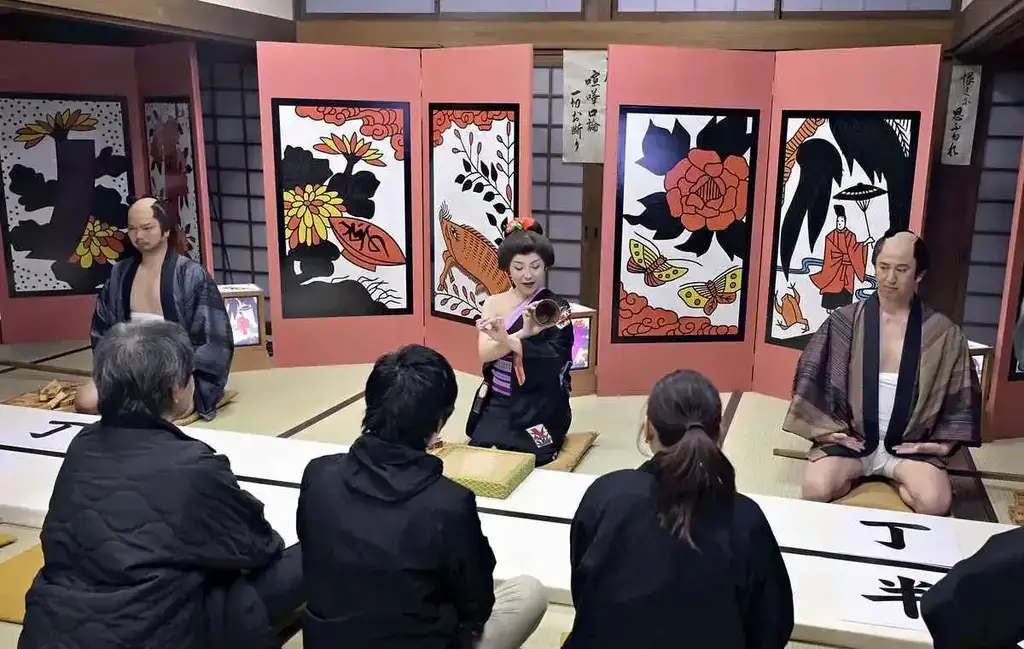
The 2026 reopening marks only the first stage of a larger redevelopment. Additional expansions are already planned, with new features scheduled to roll out over the next several years. Phase Two, expected in 2027, will expand dining and retail areas and introduce a district inspired by historical entertainment quarters. Phase Three, planned for 2028, is set to include a new traditional-style theater (tentatively called “Nakamuraza”), further emphasizing live performance as a core part of the experience. There are also longer-term plans to add facilities beyond 2028, indicating that the village will continue to evolve.
Planning Your Visit
Uzumasa Kyoto Village is located in Kyoto’s Ukyo Ward and is easy to reach from central Kyoto. The nearest stations include JR Uzumasa Station and Randen Satsueisho-mae Station, both within walking distance. The general adult admission is approximately ¥2,800, with separate ticket options available for evening entry.
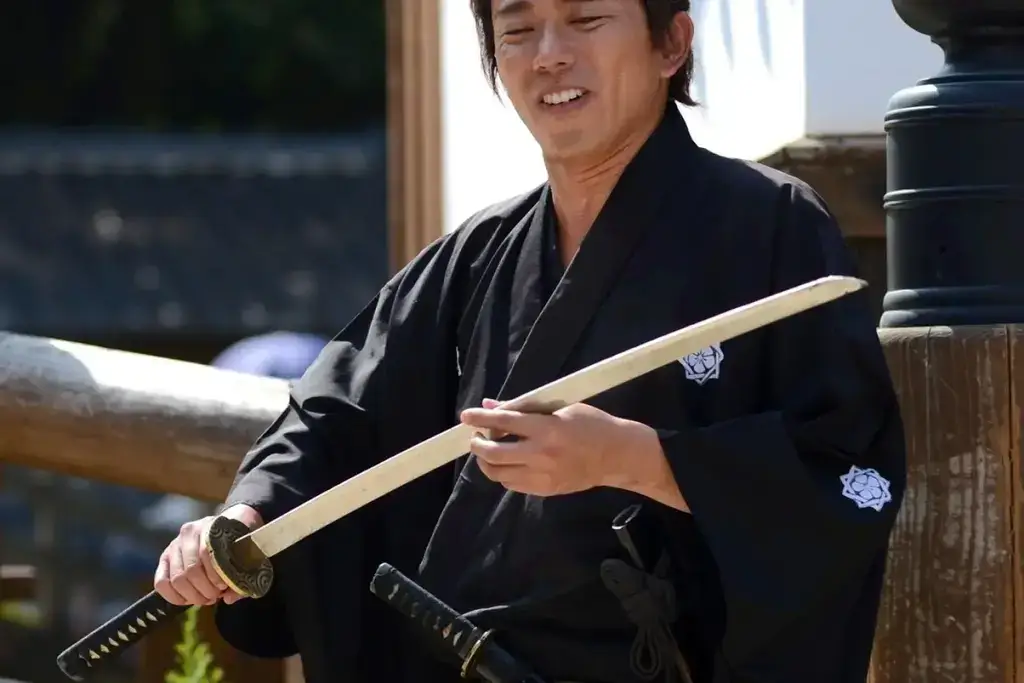
Overall, for travelers looking to go beyond Kyoto’s traditional sightseeing circuit, the village offers something different. It combines the craftsmanship of film set design with the energy of live performance and interactive culture. The result is an experience that feels less like visiting a historical site and more like stepping into a living version of Japan’s past—one that continues to evolve with each new phase of its development.

Discover authentic flavors with Sakuraco
Get Sakuraco 
Discover authentic flavors with Sakuraco
Get Sakuraco
Related Articles
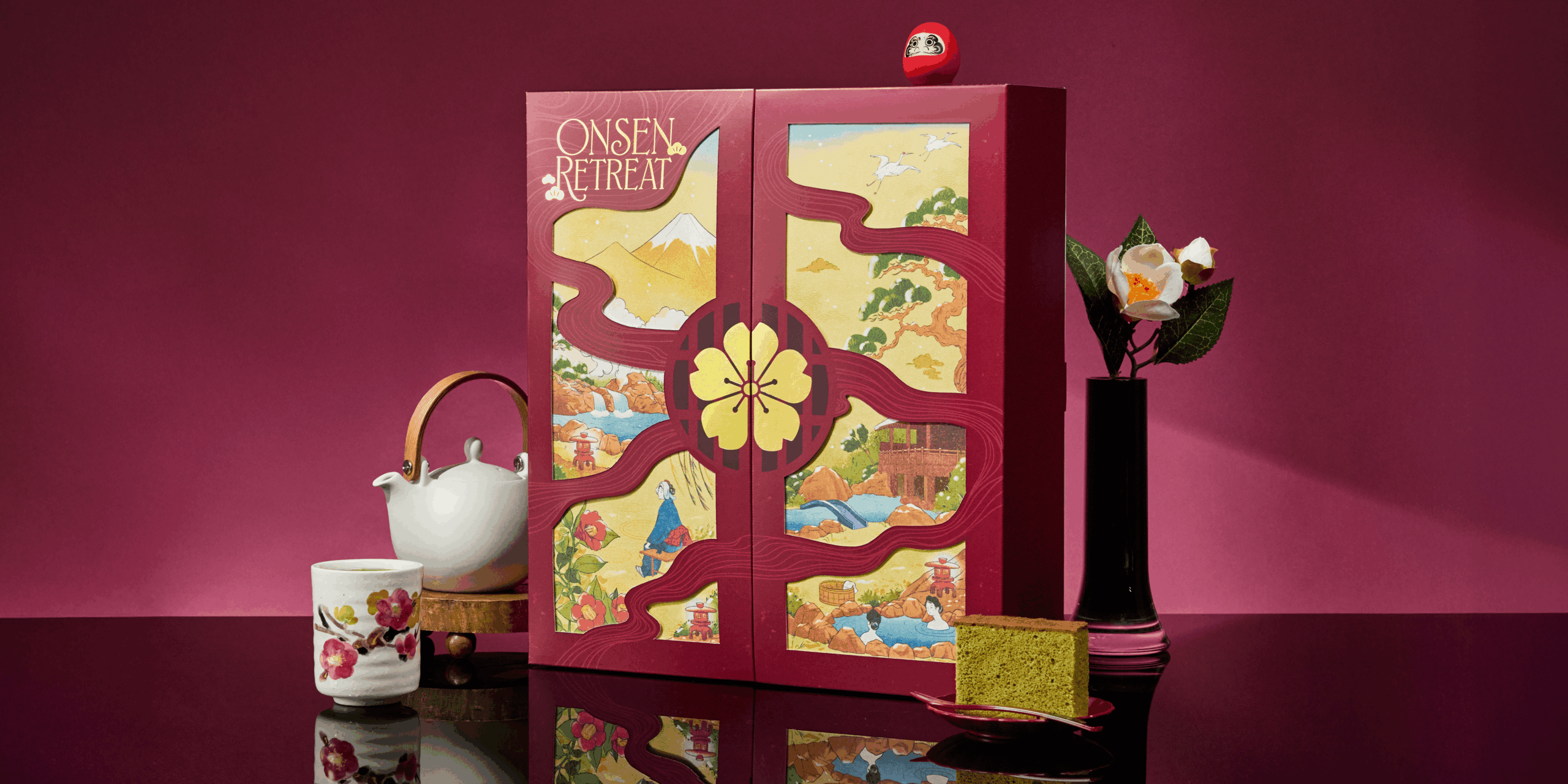
Sakuraco’s Onsen Retreat: 24 Days of Traditional Japan Advent Calendar 2026
Journey to Japan through specially hand-curated Advent Calendars, featuring new exclusive snacks, kitchenware items, and more surprises to discover each day.
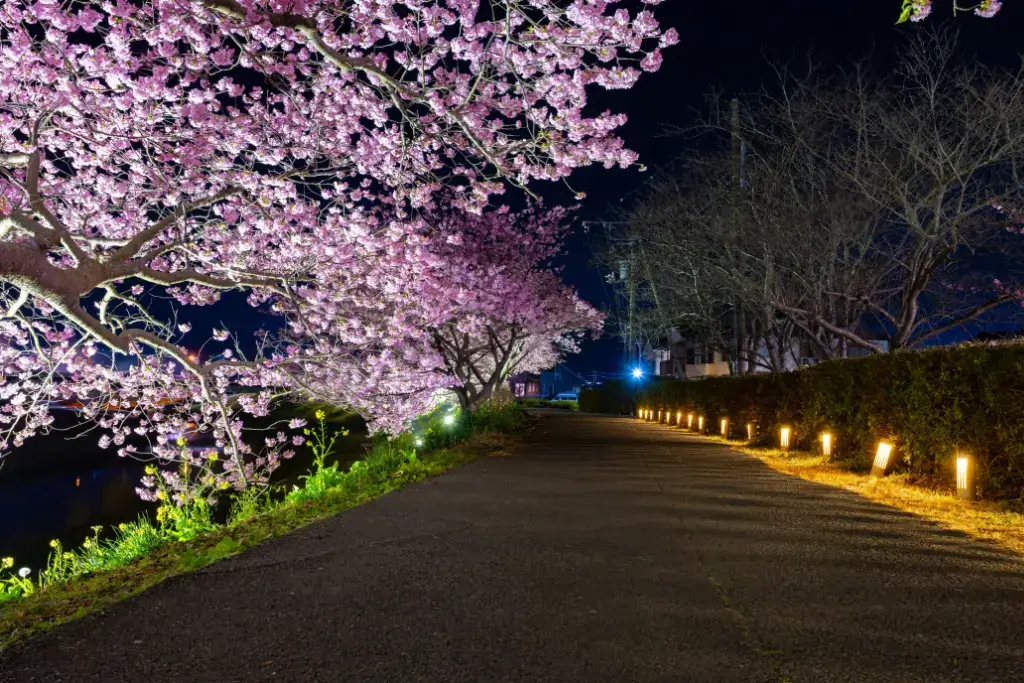
Cherry Blossoms After Dark: A Quiet Guide to Yozakura in Japan
Spring evenings in Japan have a way of slowing everything down. When the sun sets, and lanterns start to glow, the country’s famous cherry blossoms begin to feel a little different—quieter, softer, and somehow more personal.
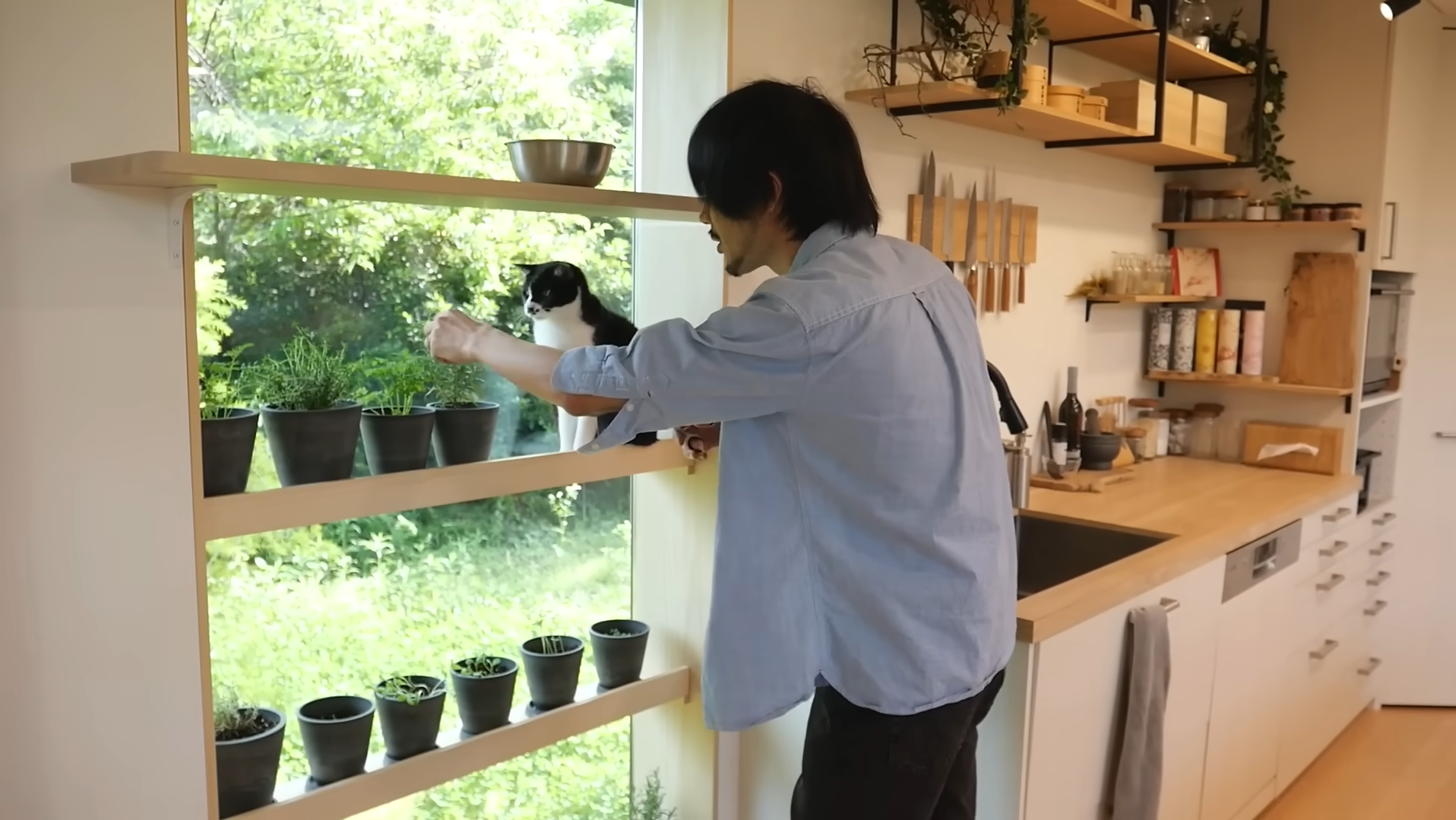
Herb Garden Shelf DIY: How Did Rachel and Jun Make It?
Rachel and Jun create a simple DIY herb garden shelf for their kitchen window, making it easy to grow and use fresh herbs at home.