


Karinto: The History and Culture of a Crunchy Delight

Linh Le

Posted on November 09, 2022
Share:
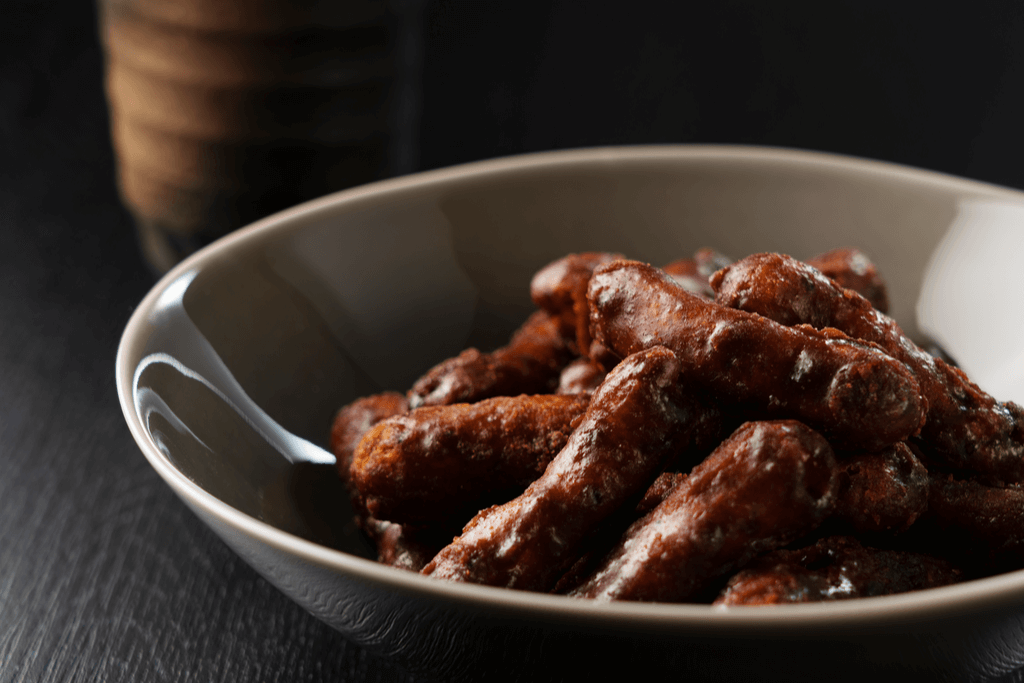
Karinto (かりんとう) is a traditional Japanese snack food that is made of fried dough. It’s a crunchy wagashi (Japanese confectionery) that people eat in both tea ceremonies and casual situations. Though confectioners usually coat it in brown sugar, this underrated snack comes in many different flavors. Let’s take a closer look at why karinto is so delicious.
The History of Karinto
Karinto has a history of more than 2000 years. People generally estimate its origin to be around the Nara Period (710-794 AD). Though it was originally a snack for the elite but gradually became a confectionery for everyone.
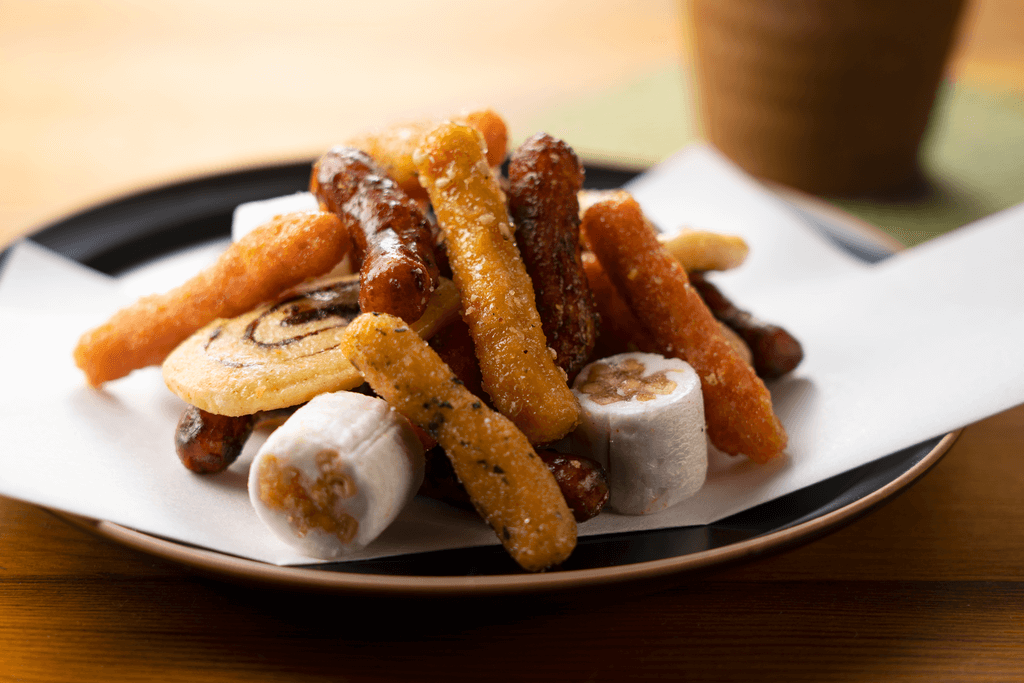
Nowadays, you can easily spot this treat in any supermarket or at old Japanese cafes and ryokan (Japanese style inn). They are a perfect snack to serve with green tea or coffee.
It is a kind of Japanese snack made from a mixture of wheat flour, yeast, water, salt, sugar. Afterwards, they are deep fried until crunchy. Then they are coated with white sugar or brown sugar, making it have a unique dark brown color.
It also has a cylindrical shape that is small enough to eat all in one bite. Thus, it is easy to eat this snack at any time of the day when you feel like it. Perhaps, its crunchy texture and savory sweetness is why it is loved by anyone regardless of age!
Want to taste all the best Japanese traditional snacks, including karinto? Check out Sakuraco! Sakuraco sends traditional Japanese tea, sweets and snacks, right to your door every month, so you can have a relaxing snack time at home!

Because karinto is a relatively unknown snack, it’ll serve as a great souvenir for your loved ones. For example Nihonbashi Nishiki Horin (日本橋錦豊琳) is one of the most popular shops that sells it
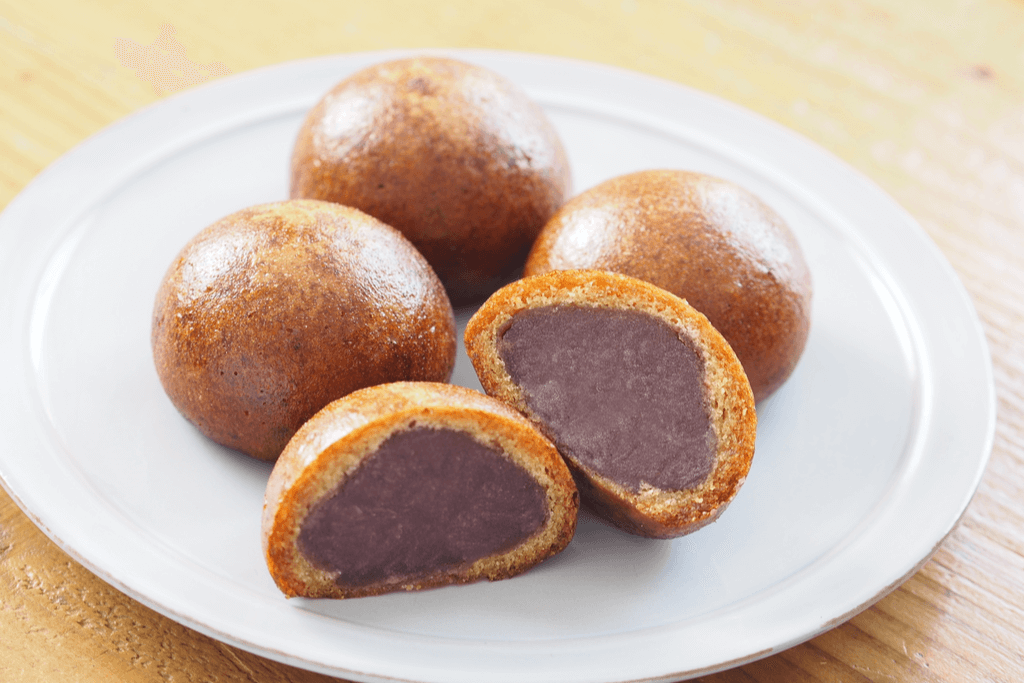
In fact, it’s just one of many shops where you can try many different karinto flavors. Other popular locations to try karinto include the legendary Tokyo Station, and Tokyo Skytree’s Solamachi area. Moreover, karinto manju are popular as well–they’re crunchy buns with anko paste inside.
What Are Some Popular Flavors?
The traditional karinto flavor is brown sugar but you can find many different flavors that range from sweet to savory. While some use typical flavors such as burdock and ginger, others use more bold flavors such as wasabi.
Savory
Kinpira-gobo (Chopped Burdock Root)
Kinpira-gobo (きんびらごぼう) is a type of burdock root that is finely chopped and roasted in oil seasoned with soy sauce. Burdock appears in Japanese dishes so it’s no doubt that this flavor is the most popular among Japanese people. If you have never tasted burdock before, this is a good opportunity to give it a try.
Yasai (Vegetables)
Vegetable karinto comes from five different vegetables: carrots, sweet potato, pumpkin, onions and spinach. The different colors and unique taste of these vegetables make it so fun to enjoy. Moreover, because vegetable karinto comes from healthy produce.
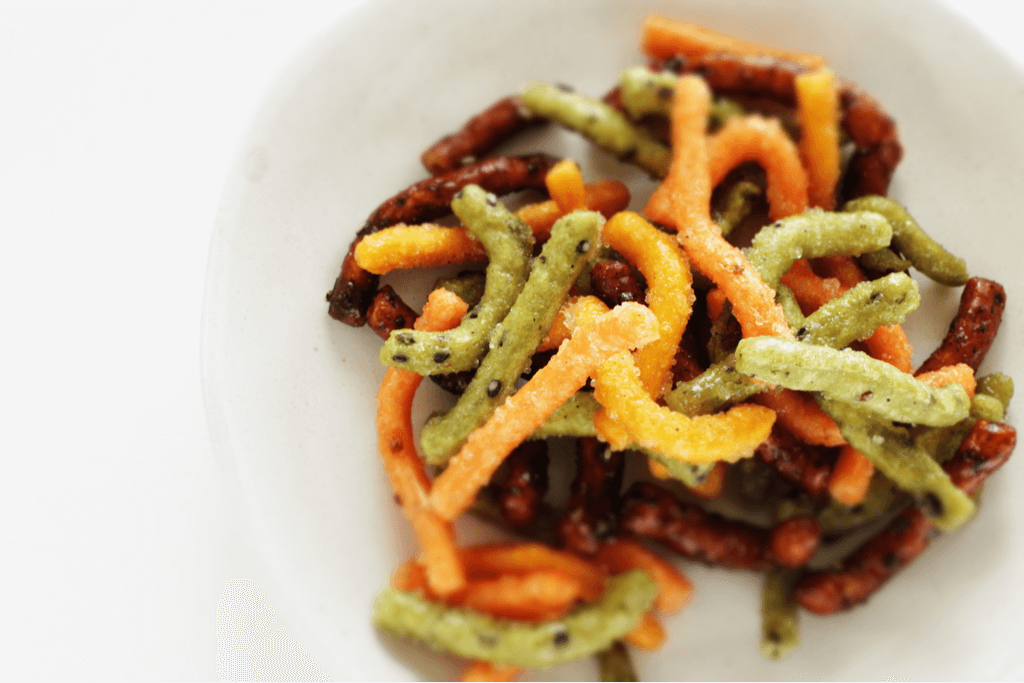
Yuzu kosho (A mix of chili peppers, yuzu peel and salt)
As the name refers to, the sour taste of yuzu mixed with a little spicy of black pepper made this a fun option to try out! Yuzu kosho karinto is a combination of umami rich flavorful citrus chili paste so if you don’t like it to be too sweet, this flavor is definitely for you!
Sweet
Murasaki Imo (Purple sweet potato)
If you love sweet potatoes, this is a must try flavor especially during the fall season. Using the natural sweetness from Japanese purple sweet potatoes and a light layer of sugar, this flavor is perfect for those looking for something a little sweeter.
Goma (Sesame)
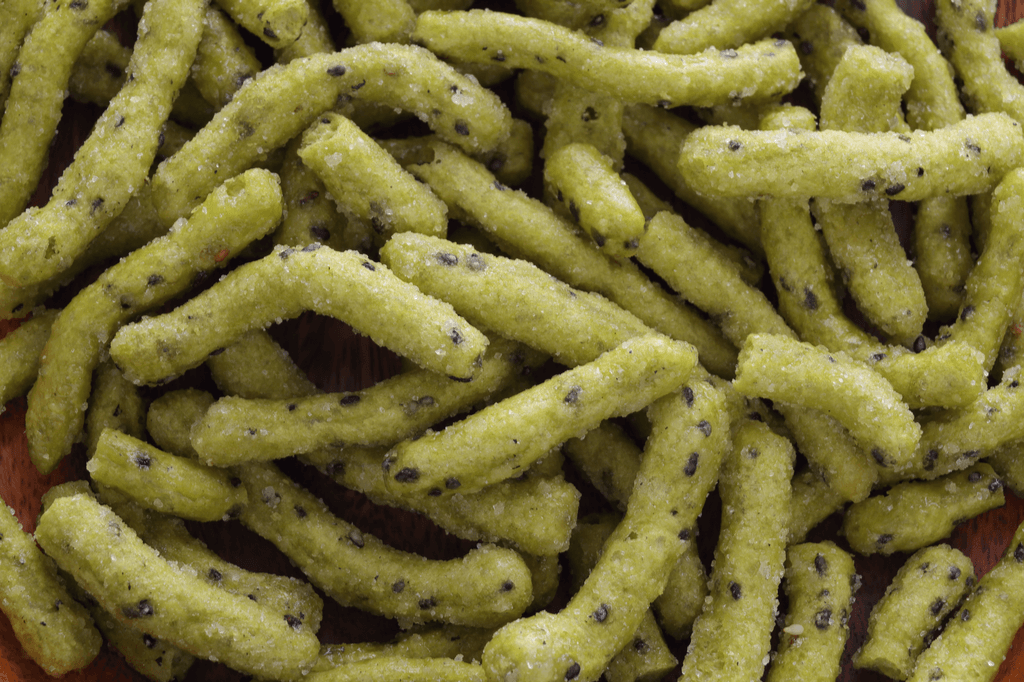
The black sesame seeds coating the surface of this karinto provide a unique harmonious balance of colors and taste from black sesame seeds, white sugar, brown sugar and texture. In addition, black sesame seeds are a very popular and nutritious snack that is in different types of Japanese food.
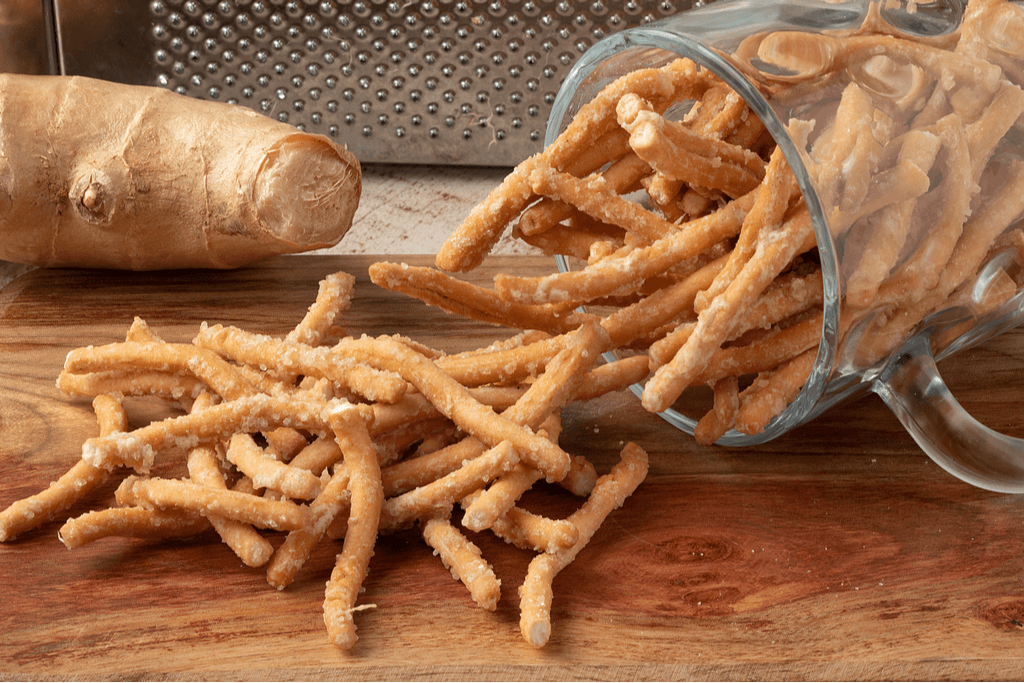
Shoga (Ginger)
After opening the package, the aroma of ginger powder will immediately spread to your nose! Then a slight spicy taste of ginger will transfer to your tongue when you take a bite of this karinto. Although not as popular as other kinds of sweet karinto, ginger is also worth trying.
As you can see, karinto not only makes a delicious snack to add to your tea time, but it’s also an underrated souvenir that’s sure to wow anyone who receives it. Not to mention, its texture inspires other traditional treats such as karinto manju, and it’s available pretty much anywhere in Japan.
Have you ever tried karinto? Which flavors would you like to try? Share with us your thoughts in the comment below!
Discover authentic flavors with Sakuraco
Get Sakuraco 
2 Responses
Discover authentic flavors with Sakuraco
Get Sakuraco
Related Articles

Hiroshima: History, Food, and Scenic Destinations
Hiroshima is one of Japan’s most historically important and culturally rich regions. Located along the Seto Inland Sea in western Japan, Hiroshima Prefecture is known for its history, food, and coastal scenery.

Onomichi: Hiroshima’s Historic Port City by the Seto Inland Sea
Onomichi is one of Hiroshima Prefecture’s most scenic and historic cities. Located along the Seto Inland Sea, Onomichi is known for its hillside temples, narrow streets, old shopping arcades, and waterfront views. The city has long been an important port town and remains popular with travelers seeking a quieter, more traditional side of Japan.
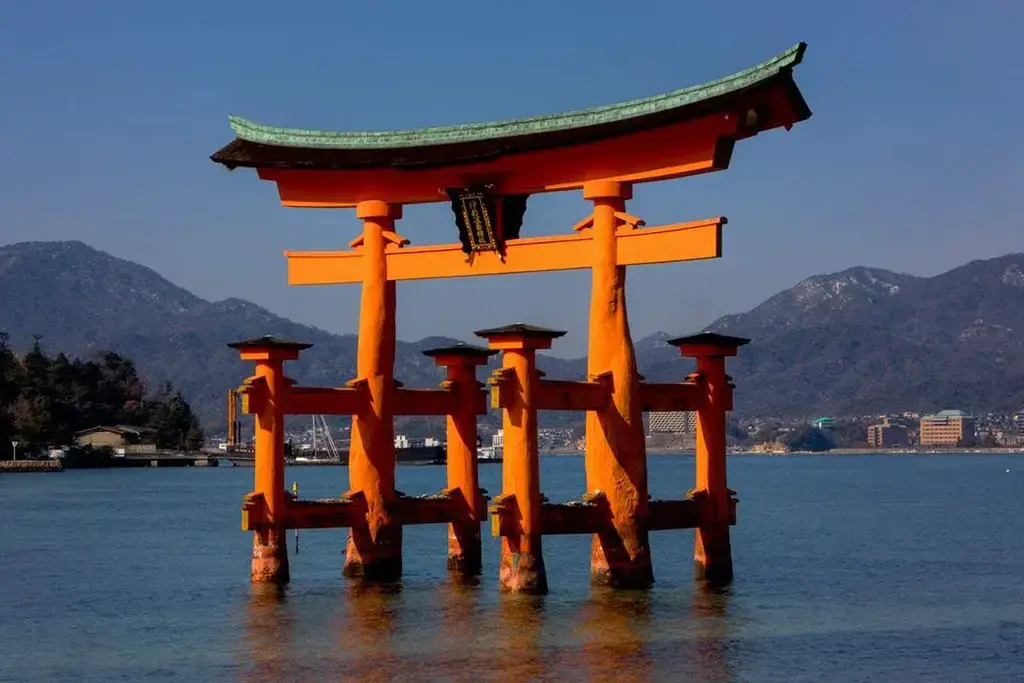
Miyajima: Hiroshima’s Famous Island of Shrines, Deer, and Scenic Views
Miyajima is one of Japan’s most famous islands and one of Hiroshima Prefecture’s best-known tourist destinations. Officially called Itsukushima, the island is better known by the nickname “Miyajima,” which means “shrine island” in Japanese.

Japanese Bathroom Makeover Time With Rachel and Jun!
A look at Rachel and Jun’s Japanese bathroom makeover, featuring simple DIY upgrades, smart storage solutions, and practical ideas you can try at home.
I love the Okinawan version especially their kurozato flavor. I didn’t know that it could also be savory as well. I also didn’t know about sweet potato karinto, it sounds really good!
Yup, karinto is pretty good. There’s also a chocolate version as well!