


handkerchief
Handkerchief in Japan: Why Is It So Important?

Savannah Walker

Posted on January 22, 2026
Share:
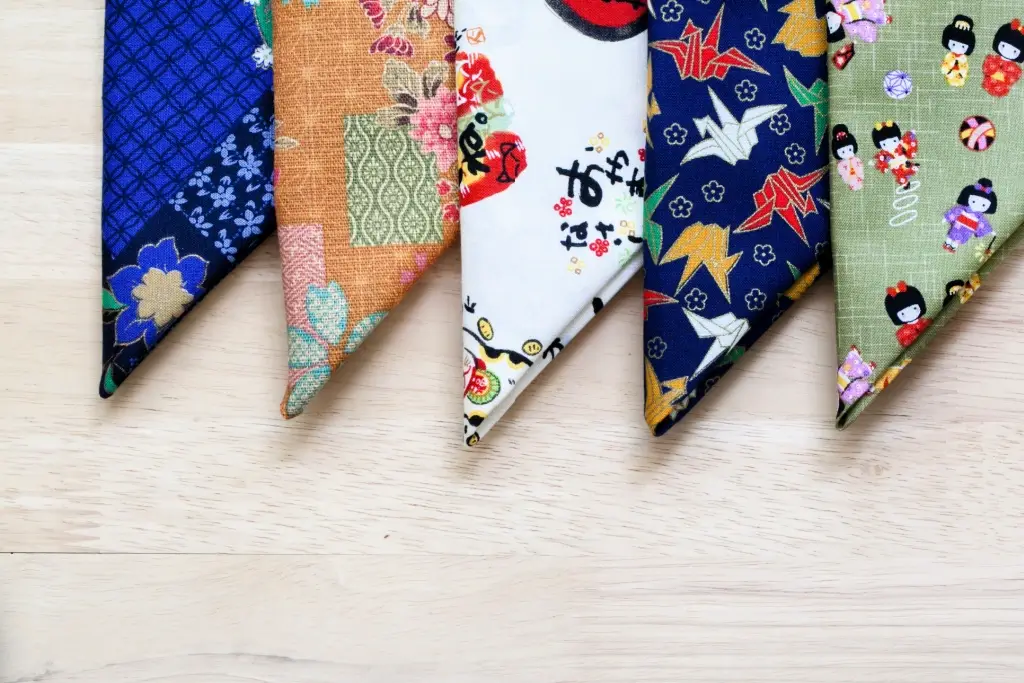
In Japan, carrying a handkerchief is more than a practical habit. It is part of everyday etiquette, quiet self-care, and even a little bit of fashion. Instead of being an old-fashioned item forgotten at the back of a drawer, the handkerchief in Japan is a daily essential that shows thoughtfulness, cleanliness, and personal style.
Why do people always carry a handkerchief?
Everyone from schoolchildren to office workers, most people in Japan, tuck a handkerchief or small towel into their bag or pocket before leaving home. One big reason is straightforward: many public restrooms lack paper towels or hand dryers. After washing their hands, people dry them with their own cloth instead.
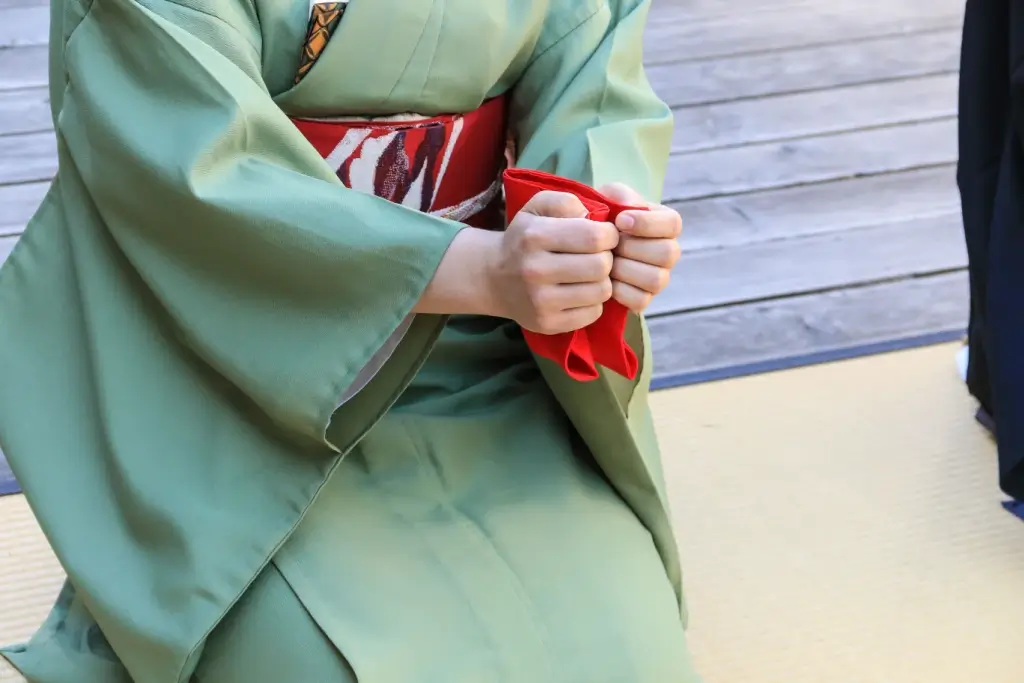
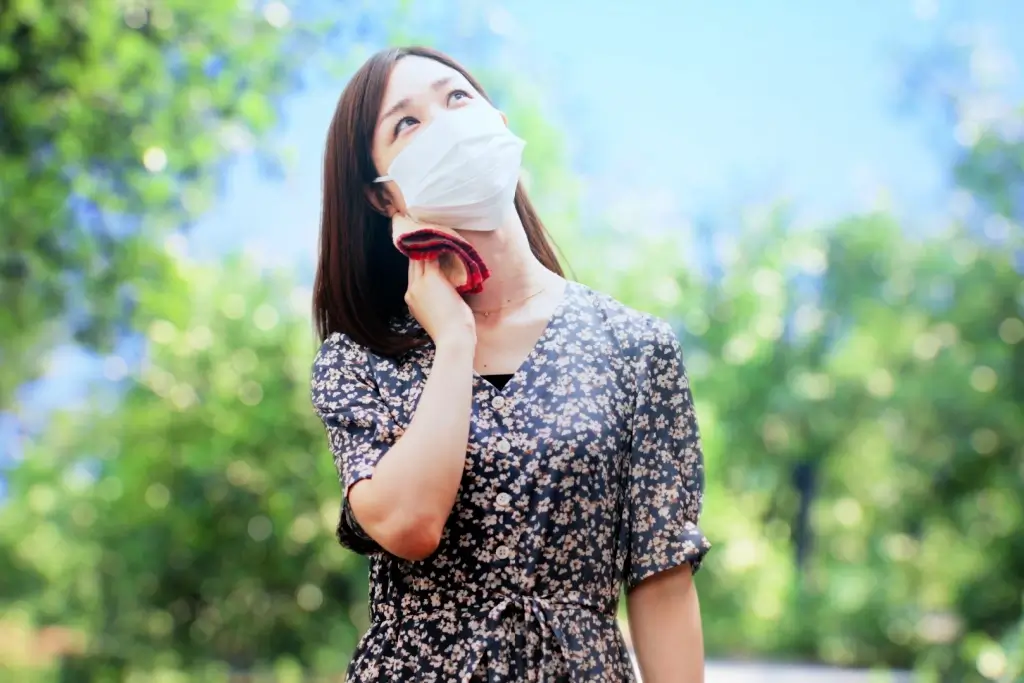
The handkerchief is used to dab sweat in summer or wipe rain from a bag. It also works as a quick napkin when enjoying a snack on the go. Because this habit starts young, schools in Japan often ask children to bring a handkerchief every day. For many people, it then feels natural to keep carrying one as an adult. For some, forgetting your handkerchief can feel almost as awkward as forgetting your phone.
How is the Japanese handkerchief different?
In Western countries, handkerchiefs are often associated with blowing one’s nose, which many Japanese consider bad manners. In Japan, such use is considered unhygienic, especially if the cloth is put back into a pocket afterward. Instead, the handkerchief is primarily used to dry clean hands, wipe away small spills, or catch a few tears during emotional moments.
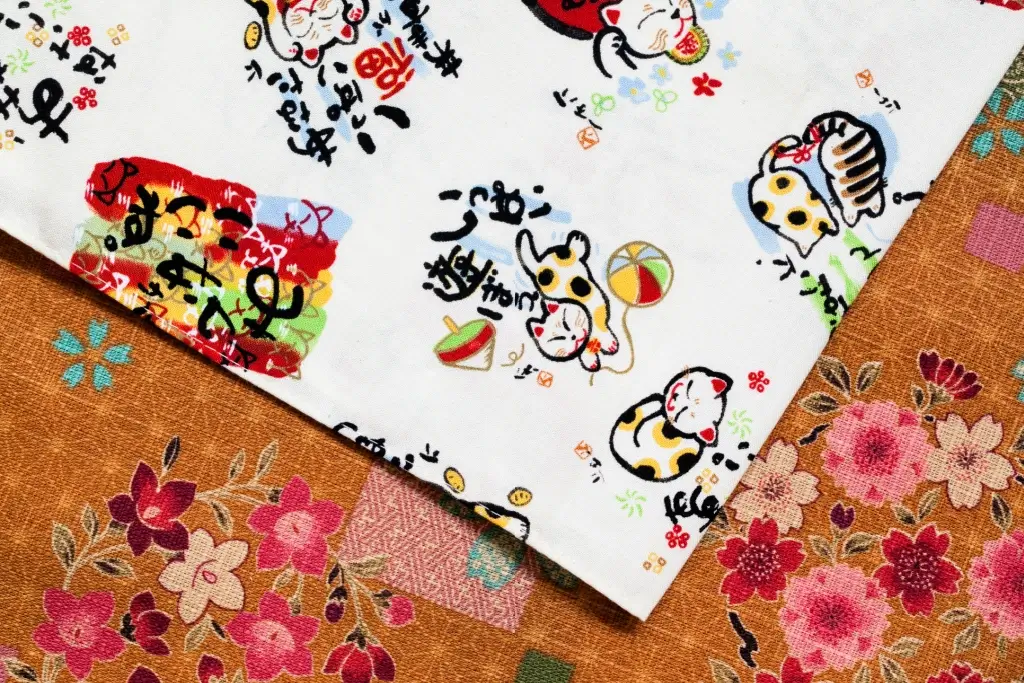
You will also notice that Japanese handkerchiefs are usually thicker and more towel-like, often made from soft cotton or pile fabric, unlike the thin, stiff fabric squares used as pocket squares in the West. There are also flat-woven styles, such as tenugui, which are multipurpose cloths used for drying, wrapping, or even decoration. The result is that the handkerchief in Japan feels fresh and clean, something you are happy to pull out in public.
A whole world of designs and brands
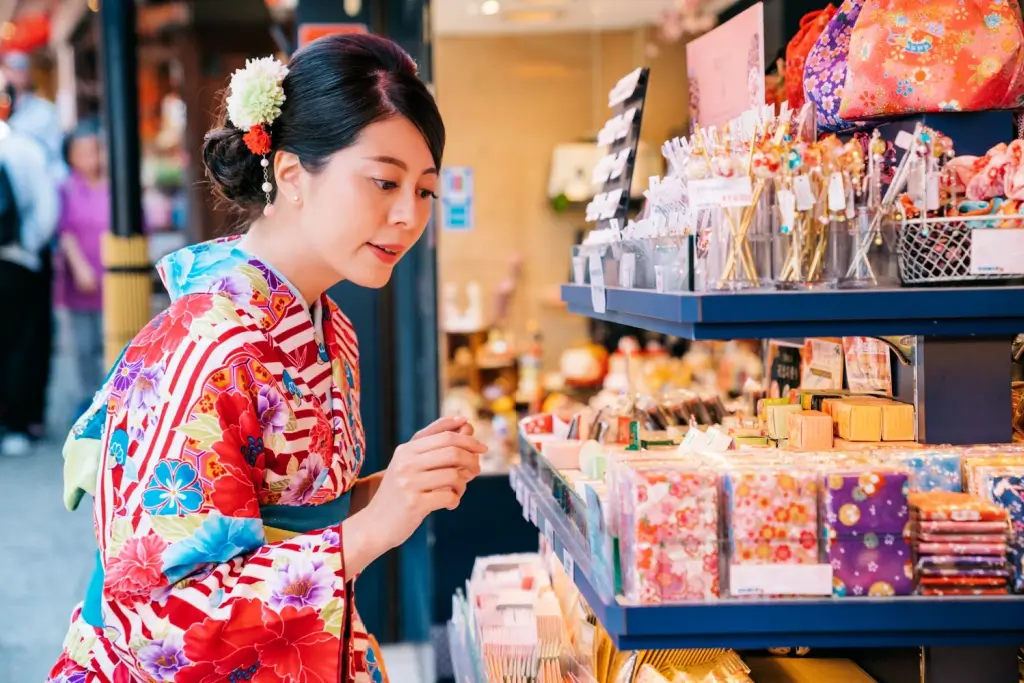
In most Japanese department stores, you’ll find a whole section just for handkerchiefs. They’re neatly displayed in drawers or trays, with countless patterns to choose from. Common ones include traditional designs like sakura, cranes, and seigaiha waves, modern illustrations, character-themed prints, and simple, elegant styles. Many are made in Japan, and 60–70% of the materials for high-end handkerchiefs are still produced domestically, especially the weaving and dyeing.
In many Japanese department stores, there is a dedicated section just for handkerchiefs. They sit neatly in drawers or trays, arranged by color, theme, or material. Designs range from traditional sakura, cranes, and seigaiha waves to modern illustrations and character collaborations. You can also find simple, minimalist patterns for a more understated look. Many are made in Japan, and much of the fabric for high-end pieces is still woven and dyed domestically. Shops such as CLASSICS, the Small Luxury in Tokyo, present handkerchiefs almost like jewelry. Each design is paired with a short story about its pattern, inspiration, and craft.
Are you looking for great snacks for Valentine’s Day? Check out Sakuraco! TokyoTreat delivers the latest Japanese snacks, sweets, drinks, candy, and noodles from Japan directly to your door!
Handkerchiefs as gifts and souvenirs
Because they are light, affordable, and practical, these are extremely popular gifts in Japan. Friends might exchange them for birthdays, farewells, or as simple “thank you” presents. Colleagues choose them as small yet thoughtful omiyage, and parents often give pretty handkerchiefs to children starting school.
Many shops offer seasonal, limited-edition items or patterns featuring iconic Japanese imagery, such as Mount Fuji, sushi, or seasonal flowers, making them perfect souvenirs for travelers. Some brands also offer embroidery services, adding initials, dates, or small motifs to turn a simple cloth into a personalized keepsake. In this way, a handkerchief becomes more than fabric. It carries a memory of who gave it, when, and why.
Everyday elegance and quiet etiquette
Carrying this is seen as part of being prepared and considerate toward others. If someone spills a drink, you can lend them your cloth. If it rains suddenly, you can tidy yourself up without making a fuss. It is a small gesture that aligns with the Japanese concept of omotenashi, which emphasizes caring for comfort and cleanliness in a subtle, unobtrusive manner.
Since people are expected to dry their hands themselves in public restrooms, carrying a handkerchief helps keep facilities cleaner and reduces paper towel waste. This practice reflects Japan’s long tradition of reuse and resourcefulness. This value dates back to the Edo period, when fabrics were often repaired, reused, and eventually turned into cleaning rags.
Beyond handkerchiefs: tenugui and small towels
The world of Japanese cloth accessories goes beyond the standard handkerchief. Flat cotton towels called tenugui have been used for centuries as hand towels, head wraps, and gift wrap, often decorated with scenes from daily life or seasonal designs. Small, looped towels are also standard, especially among children and in kawaii (cute) character goods sections.
For visitors, these textiles offer a window into Japanese design and lifestyle. A single small cloth can be used as a towel, eco-friendly wrapping, table decoration, or fashion accent, demonstrating how everyday objects can take on multiple lives.
Why does the handkerchief culture continue in Japan?
In many countries, disposable tissues and paper towels replaced cloth long ago. In Japan, however, this item has remained strong, thanks to a combination of etiquette, design, and environmental awareness. People grow up with the habit, department stores and brands continually invent new styles, and the items themselves are too beautiful and practical to abandon.
For travelers, picking up a handkerchief in Japan means carrying home a small piece of this culture. Every time you pull it out to dry your hands, wipe your eyes during a touching movie, or wrap a little treat, you are sharing in a quiet ritual of care that has become part of daily life here.
In the end, the Japanese handkerchief is a perfect example of how something small can speak volumes. It is a tiny square of fabric, but it reflects craft, manners, and a gentle way of moving through the world, one careful fold at a time. Do you use a handkerchief every day, or have you bought a fun one in Japan? Let us know in the comments below!
Discover authentic flavors with Sakuraco
Get Sakuraco 
Discover authentic flavors with Sakuraco
Get Sakuraco
Related Articles
Forest Bathing in Japan: The Ultimate Guide
Japan is known for cultural traditions that promote balance, mindfulness, and a connection with nature. One of the most distinctive is forest bathing, or shinrin-yoku. Despite its name, forest bathing does not involve water.
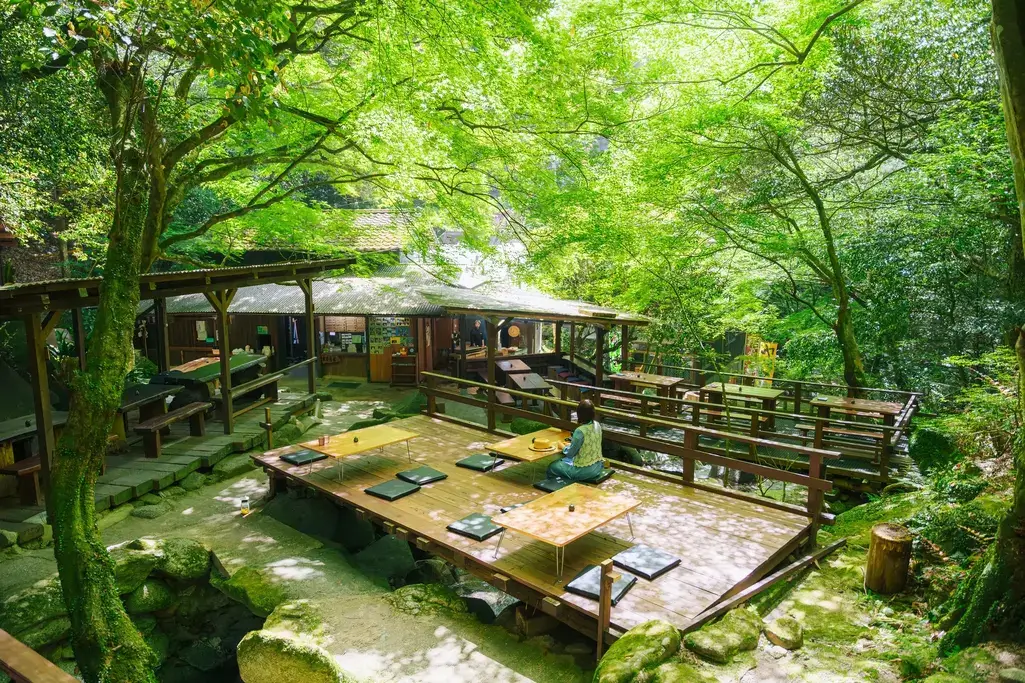
Kawadoko Dining in Japan: A Unique Riverfront Summer Tradition
Japan is home to many seasonal traditions that help people appreciate the changing environment. One of the most distinctive is kawadoko dining, an outdoor dining style that allows guests to enjoy meals beside or above flowing rivers during the warmer months. Known for its cool atmosphere and scenic surroundings, this riverfront dining tradition has become one of Japan’s most memorable summer experiences.
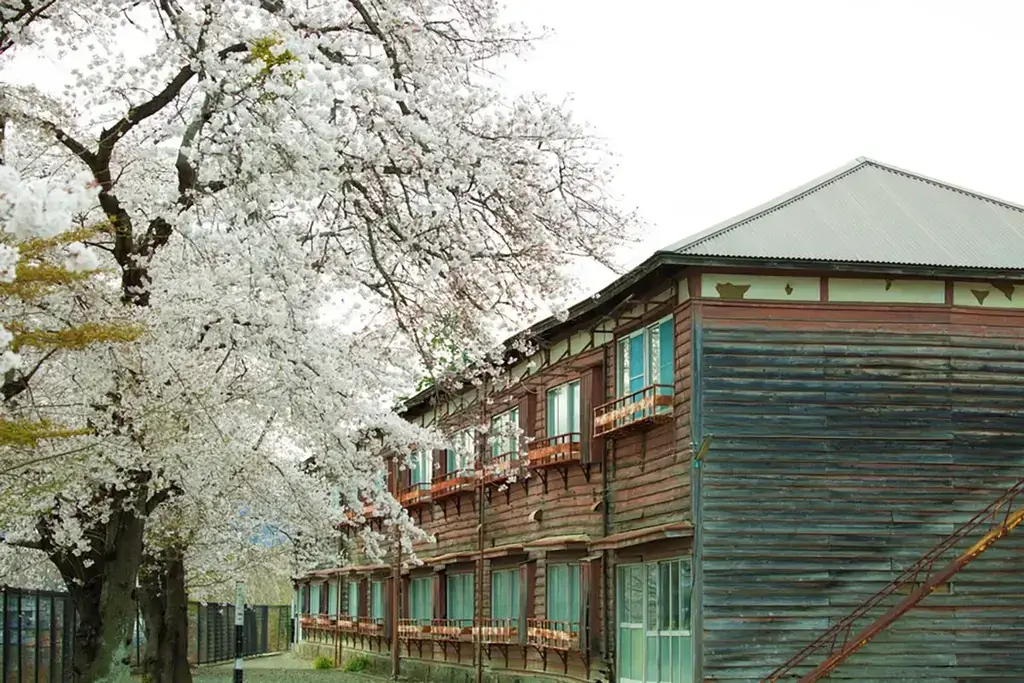
Tomioka Silk Mill: The Factory That Helped Modernize Japan
The Tomioka Silk Mill is one of Japan’s most important industrial heritage sites. Located in Tomioka City in Gunma Prefecture, the mill played a major role in Japan’s modernization during the late 19th century.
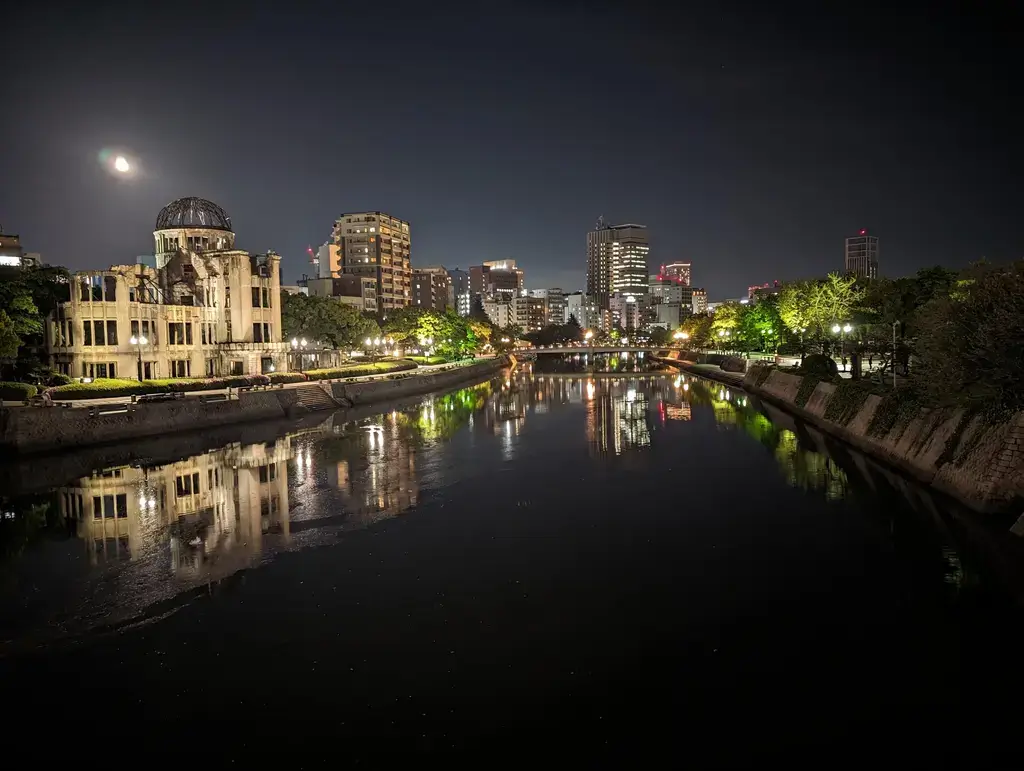
Hiroshima: History, Food, and Scenic Destinations
Hiroshima is one of Japan’s most historically important and culturally rich regions. Located along the Seto Inland Sea in western Japan, Hiroshima Prefecture is known for its history, food, and coastal scenery.