


hiroshima tsukemen
Hiroshima Tsukemen: A Spicy Take on Japanese Dipping Noodles

Thalia Harris

Posted on May 29, 2026
Share:
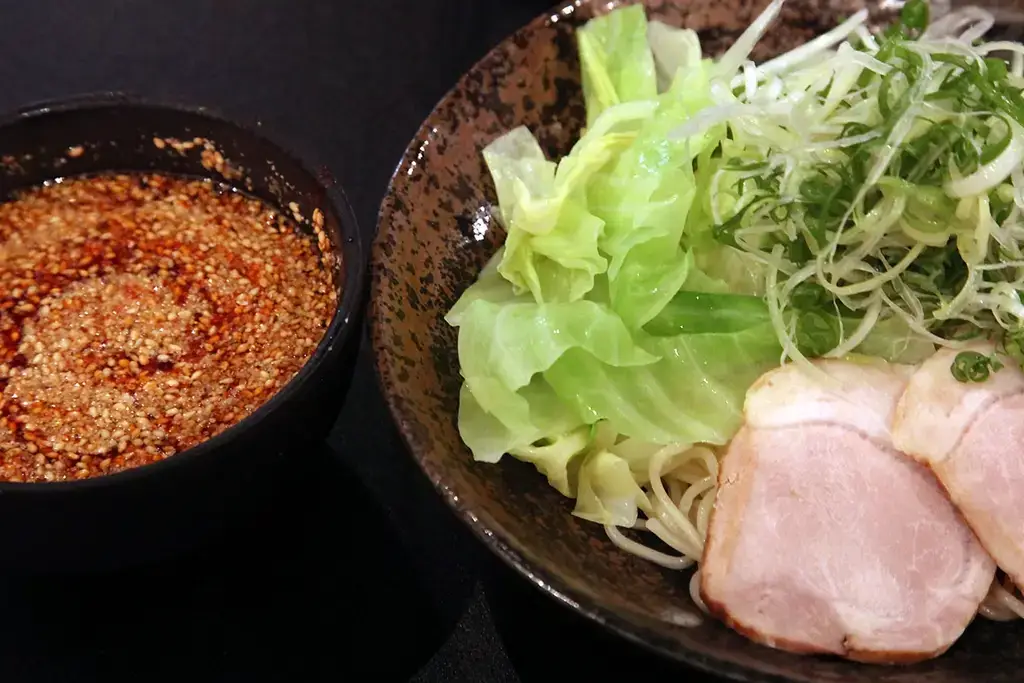
Tsukemen is one of Japan’s best-known noodle dishes, but Hiroshima offers its own distinctive version that differs sharply from the richer styles found in Tokyo and other parts of the country. Known locally as Hiroshima tsukemen, the dish combines chilled noodles, spicy dipping sauce, and colorful fresh toppings into a meal that feels lighter, sharper, and more refreshing than many hot noodle dishes.
What is tsukemen?
While many Japanese noodle dishes arrive in a steaming bowl filled with broth, tsukemen separates the noodles from the soup. Diners dip the noodles into a concentrated sauce before eating them. The word “tsukemen” literally means “dipping noodles.” Modern tsukemen became widely popular after Tokyo restaurateur Kazuo Yamagishi introduced the style at Taishoken in 1961. Over time, different regions in Japan developed their own local interpretations of the dish, including Hiroshima’s now-famous spicy variation.
How Hiroshima Tsukemen Differs From Other Styles
Hiroshima tsukemen stands out immediately because the noodles are served cold and the dipping sauce is spicy, tangy, and relatively light. The dish also emphasizes fresh vegetables more than many other Japanese noodle dishes. The result is something that feels especially suited to hot weather, though it is eaten year-round.
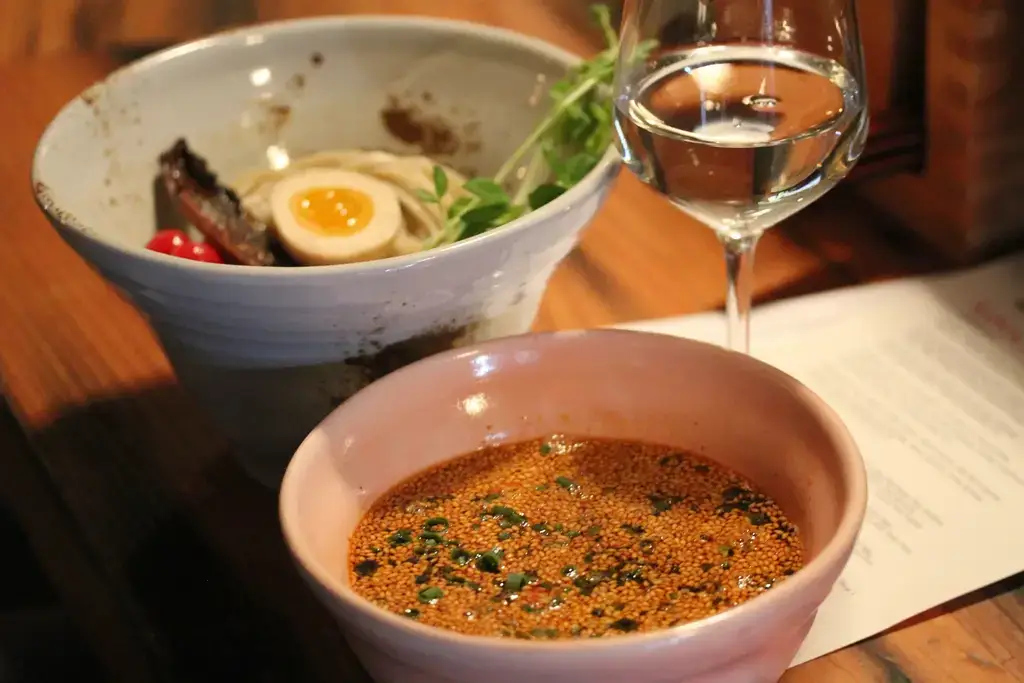
A typical bowl of Hiroshima tsukemen includes chilled noodles topped with shredded cabbage, sliced cucumber, green onions, bean sprouts, and slices of boiled pork or chashu. Some restaurants also add boiled egg, seaweed, sesame seeds, or extra chili seasoning. The noodles are usually firm and chewy, though Hiroshima styles are often lighter and thinner than the thick noodles commonly associated with Tokyo-style tsukemen.
The dipping sauce is what truly defines the dish. Unlike the creamy tonkotsu broths associated with parts of Kyushu or the heavier seafood-and-pork broths used in many Tokyo tsukemen shops, Hiroshima tsukemen sauce is thinner and sharper. It is commonly made with soy sauce, vinegar, chili oil, sesame oil, and other seasonings that balance heat, acidity, and umami. Many restaurants allow customers to choose their spice level, sometimes ranging from mild to extremely hot.
The Culture of Spice in Hiroshima Tsukemen
The customizable heat level became one of the defining features of Hiroshima tsukemen culture. Some specialty shops display spice scales with numbered rankings that challenge customers to test their tolerance. Regular customers often become loyal to specific spice levels or restaurant recipes. The heat is usually intended to enhance the noodles and vegetables rather than overwhelm the entire dish.
This emphasis on spice gives Hiroshima tsukemen a stronger flavor identity than many other regional noodle dishes in Japan. While some noodle styles focus primarily on richness or savory depth, Hiroshima tsukemen balances heat, acidity, and freshness.
Are you looking for great snacks from places like Hiroshima? Check out Sakuraco! Sakuraco sends traditional Japanese snacks, teas, and sweets from local makers straight to your door each month!

The Origins of Hiroshima Tsukemen
The origins of Hiroshima tsukemen are closely tied to the city’s postwar food culture. Many sources trace the style back to the Chinese restaurant Shinkaen, whose cold noodle dish known as “reimen” helped establish the foundation for modern Hiroshima tsukemen. Over time, local restaurants adapted and expanded the concept into the spicy dipping noodle style that became associated with the city.
One reason Hiroshima tsukemen gained popularity is its connection to Hiroshima’s climate and culinary traditions. Hiroshima experiences hot and humid summers, making chilled noodle dishes especially appealing. Japan already has a long history of cold noodle dishes such as somen, hiyashi chuka, and zaru soba. Hiroshima tsukemen fits naturally within that tradition while adding a stronger spicy flavor profile.
Hiroshima’s Broader Food Culture
The dish also reflects Hiroshima’s broader reputation for layered and ingredient-focused cuisine. The prefecture is internationally known for foods such as oysters, okonomiyaki, and seafood from the Seto Inland Sea. Hiroshima-style okonomiyaki itself emphasizes stacked ingredients and contrasting textures, and Hiroshima tsukemen similarly balances noodles, vegetables, sauce, and spice in carefully arranged combinations.
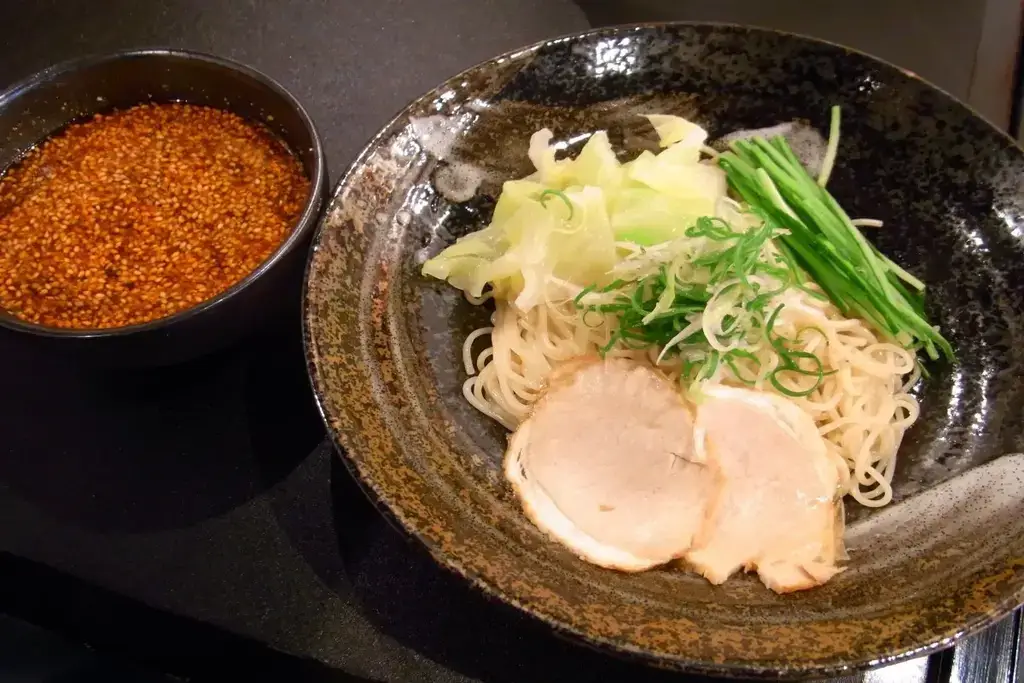
Today, Hiroshima tsukemen can be found throughout the city, from small neighborhood noodle shops to larger regional chains. Some restaurants specialize almost entirely in the dish, while others serve it alongside ramen and other noodle dishes. Shops often develop loyal followings based on subtle differences in sauce recipes, spice blends, noodle texture, or topping combinations.
Famous Hiroshima Tsukemen Restaurants
Among the best-known names associated with Hiroshima tsukemen is Bakudanya, a chain that became closely linked to the dish and helped popularize it among visitors. Independent shops throughout Hiroshima also continue to preserve older recipes and local variations. Some versions lean more heavily into sesame flavors, while others focus on sharper chili heat or stronger vinegar notes.
Outside Hiroshima, the dish has gradually spread to other parts of Japan, though it remains strongly associated with the city. Travelers visiting Hiroshima often seek it out alongside better-known local specialties like Hiroshima-style okonomiyaki. Because the dish differs so much from standard noodle dishes served elsewhere in Japan, many first-time visitors are surprised by both its presentation and flavor.
Hiroshima Tsukemen’s Growing International Recognition
International interest in regional Japanese cuisine has also helped bring greater attention to Hiroshima tsukemen in recent years. As global audiences become more familiar with the diversity of Japanese noodle culture, regional styles beyond Tokyo and Hakata have gained wider recognition. Hiroshima tsukemen appeals especially to diners looking for something lighter and more vegetable-focused while still delivering bold flavor.
The dish also highlights the variety of Japanese noodle culture. Outside Japan, ramen is sometimes treated as a single unified category, but regional differences are enormous. Broth thickness, noodle texture, seasoning styles, toppings, and preparation methods vary dramatically across regions. Hiroshima tsukemen demonstrates that even within the broader world of Japanese noodle dishes, local identity remains extremely important.
Why Hiroshima Tsukemen Stands Out
Part of the appeal of Hiroshima tsukemen is the interaction it creates between diner and dish. Because the noodles and sauce remain separate until eating, customers can control how much sauce they use with each bite. The customizable spice levels further personalize the experience. This interactive style differs from many conventional noodle dishes, where the broth and noodles are already combined before serving.
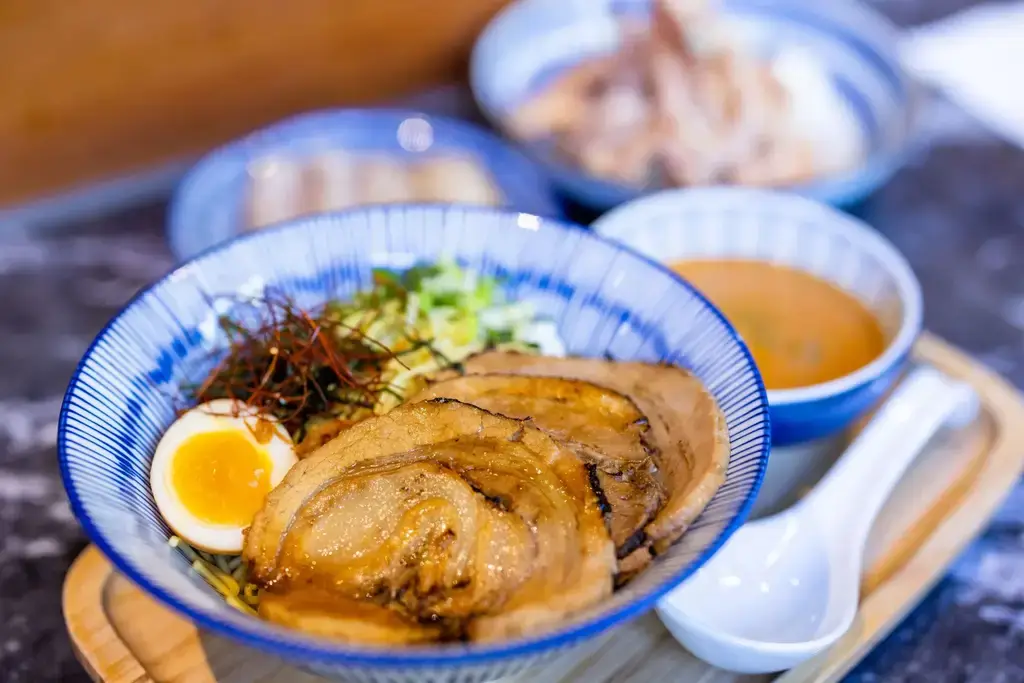
Despite its growing popularity, Hiroshima tsukemen still retains a strong regional identity. It remains closely tied to Hiroshima’s local dining culture and culinary history. For many visitors, trying the dish offers a different perspective on Japanese noodles beyond the heavier styles that often dominate international attention.
In the end, Hiroshima tsukemen represents more than simply spicy noodles. It reflects regional adaptation, postwar culinary creativity, and the importance of local flavor traditions within Japanese food culture. With its cold noodles, fresh vegetables, and fiery dipping sauce, the dish remains one of Hiroshima’s most distinctive culinary specialties.
Discover authentic flavors with Sakuraco
Get Sakuraco 
Discover authentic flavors with Sakuraco
Get Sakuraco
Related Articles
Kyoto Confectionery Museum: Everything You Need to Know
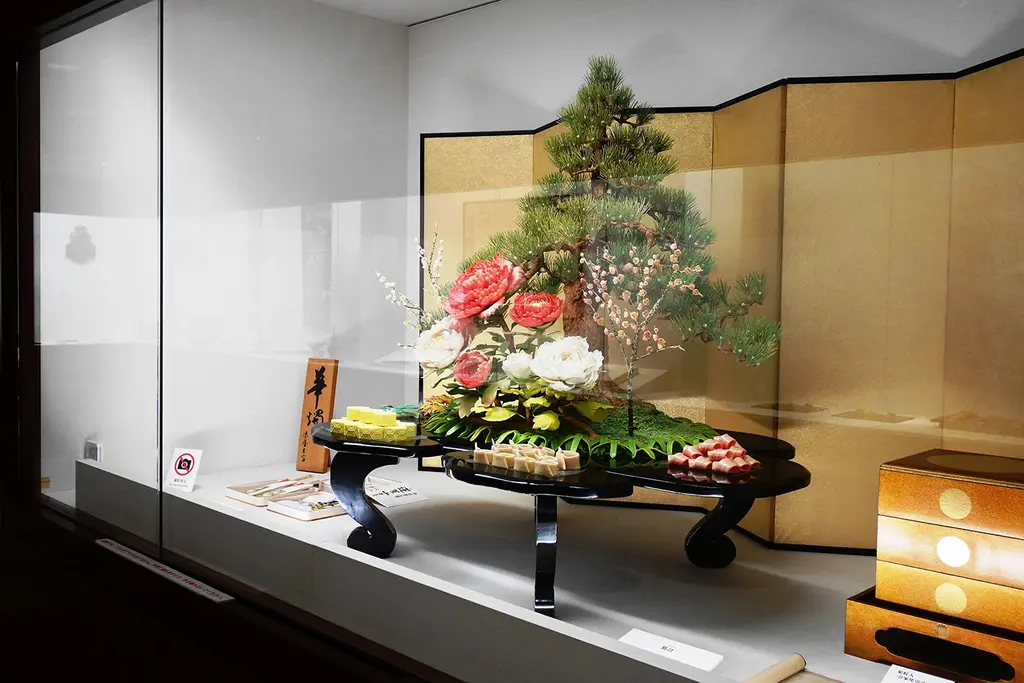
Although Kyoto is famous for temples, gardens, and historic districts, the city is also known for its centuries-old confectionery culture. The Kyoto Confectionery Museum shows how sweets became closely connected to tea ceremonies, seasonal celebrations, and Japanese aesthetics.
Sake from Takehara City: A History of Brewing
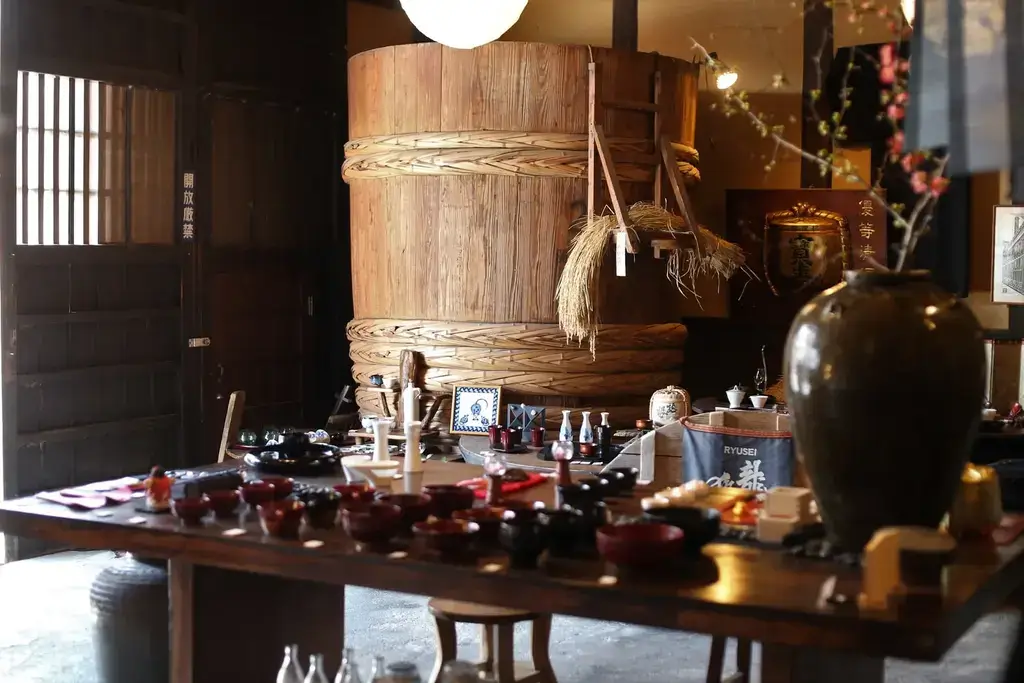
Takehara City in Hiroshima Prefecture is one of Japan’s historic sake towns. Located near the Seto Inland Sea, the city became wealthy during the Edo period through trade and sake brewing. Today, Takehara is still known for its traditional streets, old breweries, and connection to Hiroshima’s sake culture.
Aaron and Claire Soy-Glazed Pork Belly Recipe: A Guide!
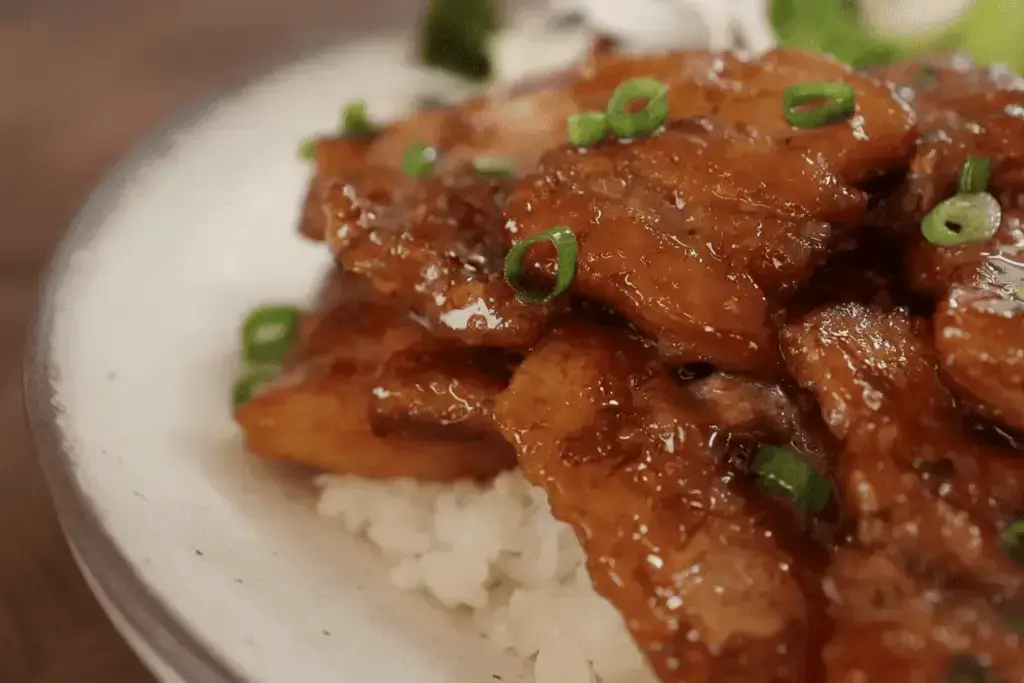
Aaron and Claire share an easy soy-glazed pork belly rice bowl recipe that combines tender pork, a rich savory glaze, and simple ingredients for a comforting Japanese-inspired dinner at home.