


Sake from Takehara City: A History of Brewing

Thalia Harris

Posted on May 29, 2026
Share:
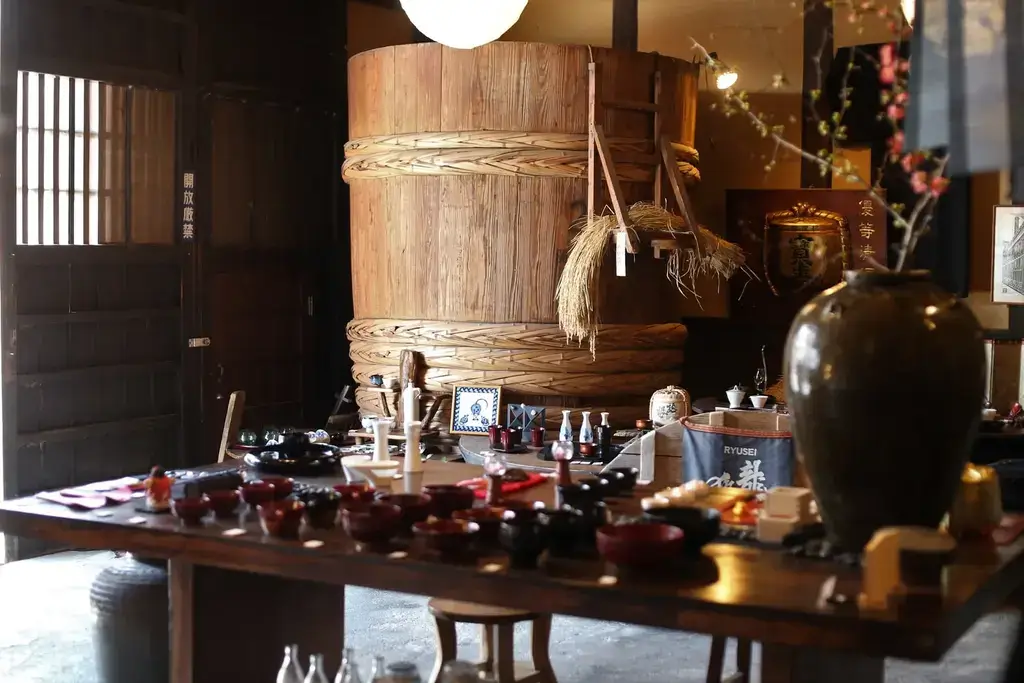
Takehara City in Hiroshima Prefecture is one of Japan’s historic sake towns. Located near the Seto Inland Sea, the city became wealthy during the Edo period through trade and sake brewing. Today, Takehara is still known for its traditional streets, old breweries, and connection to Hiroshima’s sake culture.
Why Is Takehara Famous?
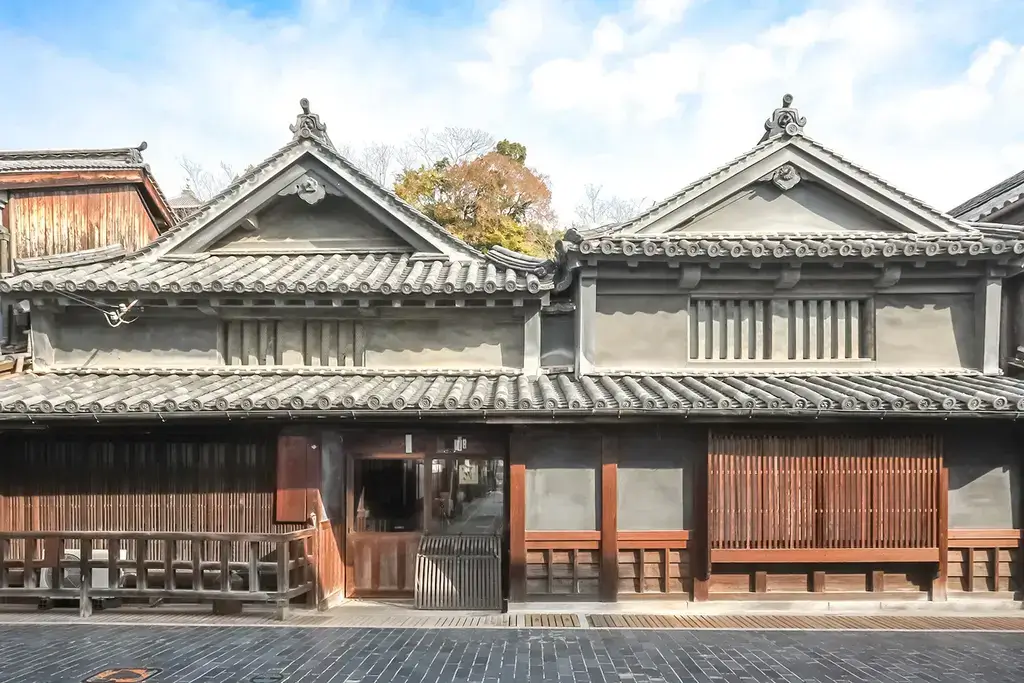
Takehara is often called the “Little Kyoto of Aki Province” because many of its old buildings have been carefully preserved. Visitors can walk through streets lined with white-walled buildings, wooden houses, and former brewery buildings that show what the city looked like hundreds of years ago.
Who Was Senzaburo Miura?
Senzaburo Miura was a sake brewer who helped change Hiroshima’s alcohol industry in the late 1800s. At the time, many brewers believed Hiroshima’s soft water was difficult to use for making high-quality alcohol. Miura helped develop brewing methods that worked better with Hiroshima’s soft water. His techniques employed careful temperature control and slower fermentation to create a smoother, more balanced drink. These ideas helped improve Hiroshima’s reputation across Japan. Today, Hiroshima sake is still known for its soft, refined flavor, and many breweries continue to use techniques inspired by Miura’s work.
What Makes Hiroshima Sake Different?
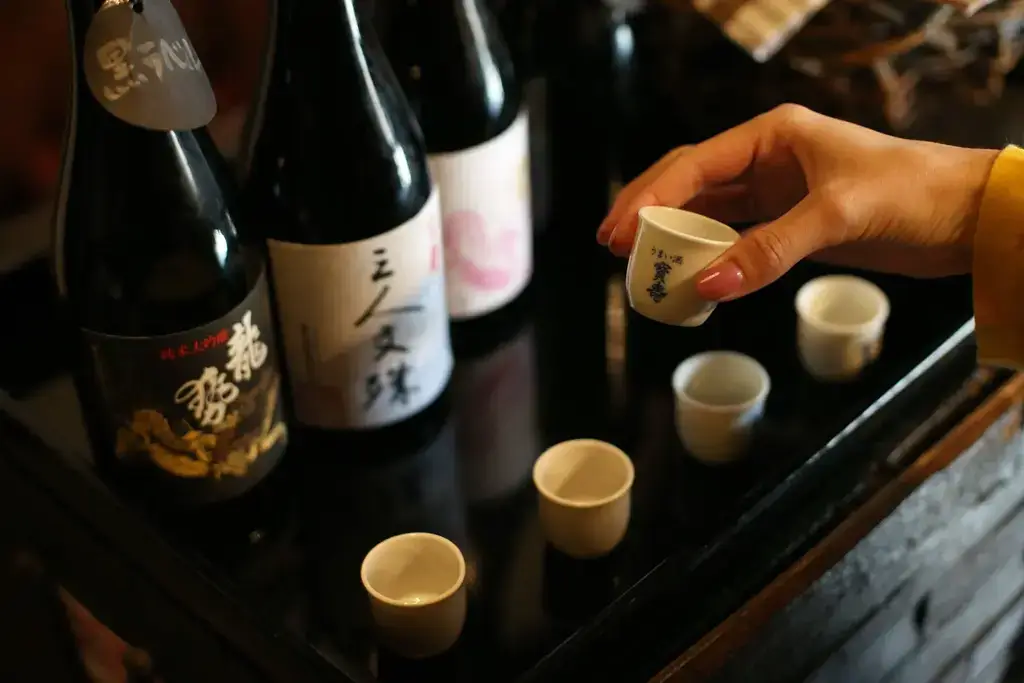
Different parts of Japan make sake in different ways. The water, climate, rice, and brewing methods all affect the final flavor. However, Hiroshima’s is smooth, mild, and slightly fruity compared to some stronger or drier styles from other regions. Brewers in Hiroshima learned to work with soft water rather than the hard water used in places like Nada, Hyogo Prefecture.
Many makers in Takehara still focus on balance and delicate flavors rather than very strong or sharp flavors. This style matches well with seafood from the Seto Inland Sea, which is an important part of Hiroshima’s food culture.
Traditional Brewing in Takehara
A small number of historic breweries still operate in and around Takehara today. Some brewery buildings are many generations old and still contain traditional wooden interiors and old brewing equipment. Making sake is a careful process. Brewers polish rice to remove the outer layers before washing and steaming it. The rice is then mixed with koji mold and yeast to begin fermentation. Small changes in temperature or timing can completely change its final flavor.
In Takehara, many breweries focus on craftsmanship and smaller-scale production rather than large, factory-style brewing. This attention to detail is part of what makes Hiroshima sake well respected. Winter has traditionally been the most important brewing season because colder temperatures help create stable fermentation conditions. Even with modern technology, winter brewing remains an important part of sake culture in Japan.
Are you looking for great snacks to pair with your sake? Check out Sakuraco! Sakuraco sends traditional Japanese snacks, teas, and sweets from local makers straight to your door each month!

The Historic Streets of Takehara
One reason people visit Takehara is its preserved historical district. The area includes many buildings from the Edo and Meiji periods that survived modernization. Walking through the district gives visitors a look at what merchant and brewery towns once looked like in Japan. Narrow streets, white plaster walls, and traditional storehouses create an atmosphere very different from modern cities. Some old brewery buildings and merchant homes are now museums, cafes, or cultural spaces. These preserved buildings help show how important the drink’s production once was to the city’s economy.
Sake Tourism in Takehara
Sake tourism has become more popular in recent years. Many travelers now visit breweries to learn about sake production and taste regional varieties. Some breweries in Takehara offer tastings, tours, and seasonal events. Visitors can compare different sake flavors and learn how brewing methods affect taste and aroma. Takehara’s slower pace also makes it different from major tourist cities. Instead of crowded shopping districts or large entertainment areas, the city attracts visitors interested in history, traditional culture, and craftsmanship.
Hiroshima Sake Around the World
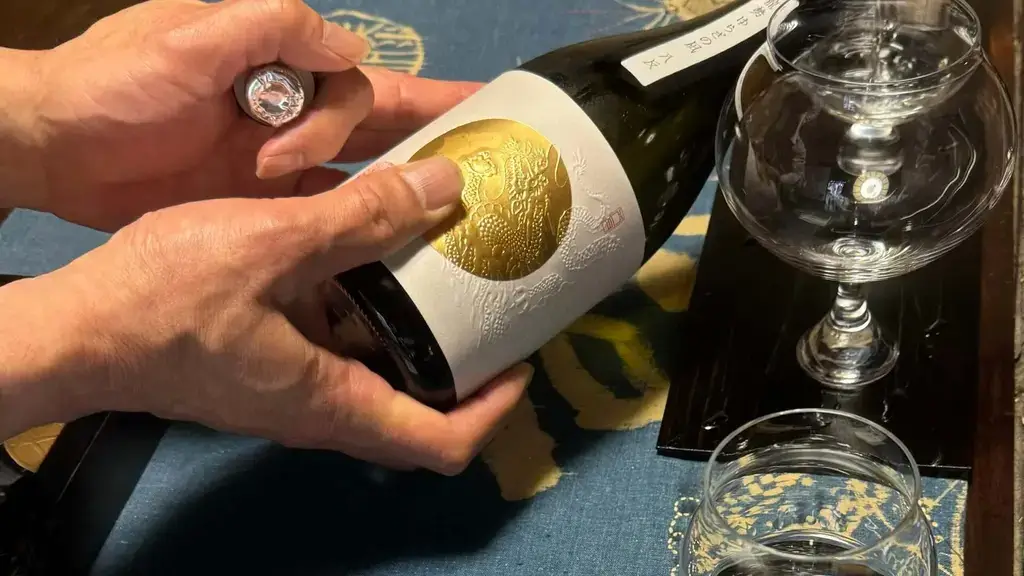
Hiroshima sake has become more popular internationally as interest in Japanese food and drink continues to grow. Sake exports from Japan have increased in recent years, helping more people around the world discover regional brewing styles. Many people find Hiroshima sake approachable because of its smooth and balanced flavor. Breweries connected to Hiroshima’s brewing tradition, including those in Takehara, are now part of Japan’s growing international food culture. Even so, Takehara remains quieter and less famous than larger tourist cities like Kyoto or Osaka. For many visitors, that is part of the appeal.
Why Takehara’s Sake Tradition Matters
Takehara’s sake culture is about more than just alcohol production. It reflects the city’s history, local craftsmanship, and connection to Hiroshima’s brewing traditions. The city played an important role in helping brewers learn how to make high-quality sake using soft water. Today, Takehara continues to preserve that history through its breweries, historic streets, and traditional culture.
For visitors exploring Hiroshima Prefecture, Takehara offers a chance to experience an important part of Japan’s brewing history in a quieter and more traditional setting. Through its preserved buildings, historic breweries, and connection to Senzaburo Miura’s innovations, Takehara remains an important part of Japan’s long sake-brewing tradition.

Discover authentic flavors with Sakuraco
Get Sakuraco 
Discover authentic flavors with Sakuraco
Get Sakuraco
Related Articles
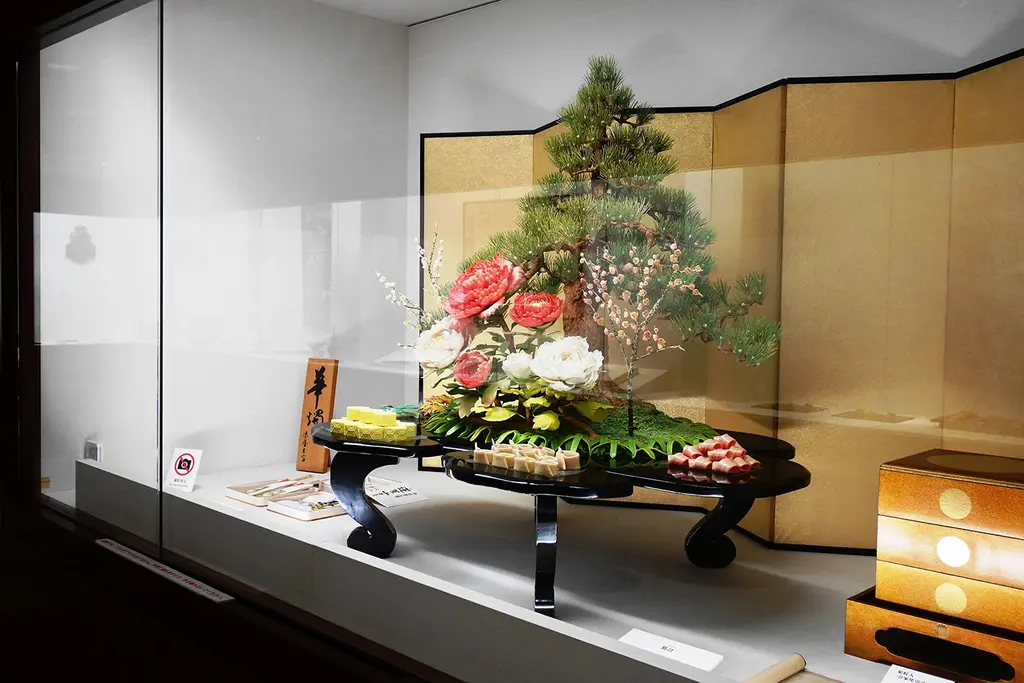
Kyoto Confectionery Museum: Everything You Need to Know
Although Kyoto is famous for temples, gardens, and historic districts, the city is also known for its centuries-old confectionery culture. The Kyoto Confectionery Museum shows how sweets became closely connected to tea ceremonies, seasonal celebrations, and Japanese aesthetics.
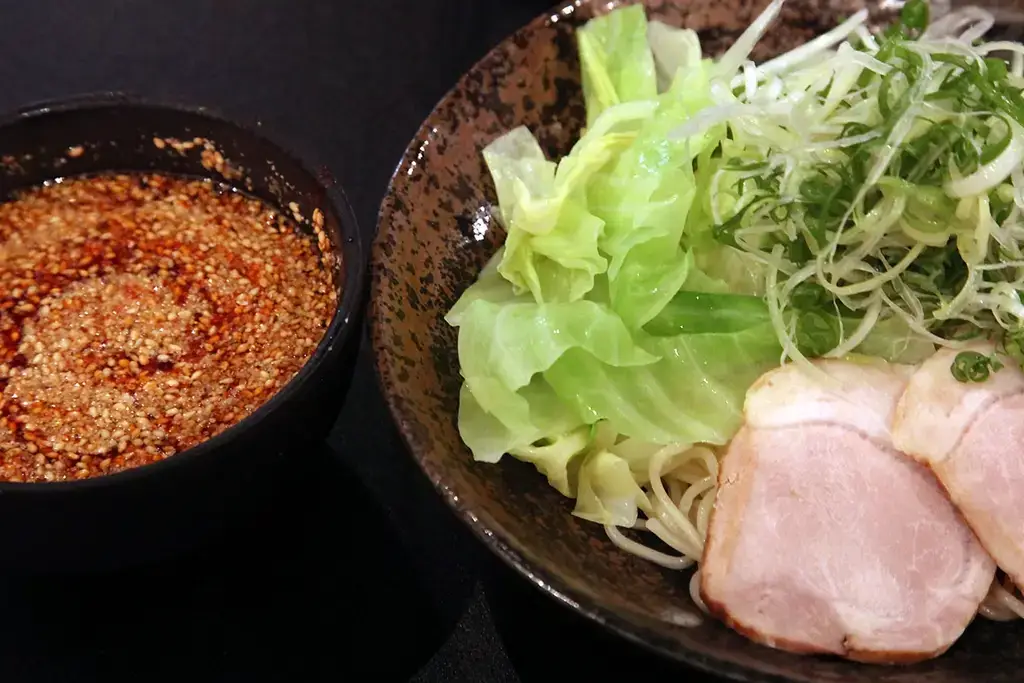
Hiroshima Tsukemen: A Spicy Take on Japanese Dipping Noodles
Tsukemen is one of Japan’s best-known noodle dishes, but Hiroshima offers its own distinctive version that differs sharply from the richer styles found in Tokyo and other parts of the country.

Aaron and Claire Soy-Glazed Pork Belly Recipe: A Guide!
Aaron and Claire share an easy soy-glazed pork belly rice bowl recipe that combines tender pork, a rich savory glaze, and simple ingredients for a comforting Japanese-inspired dinner at home.