


culture, japanese festival
A Simple Guide to Golden Week in Japan

Hao Yu Lee

Posted on October 05, 2022
Share:
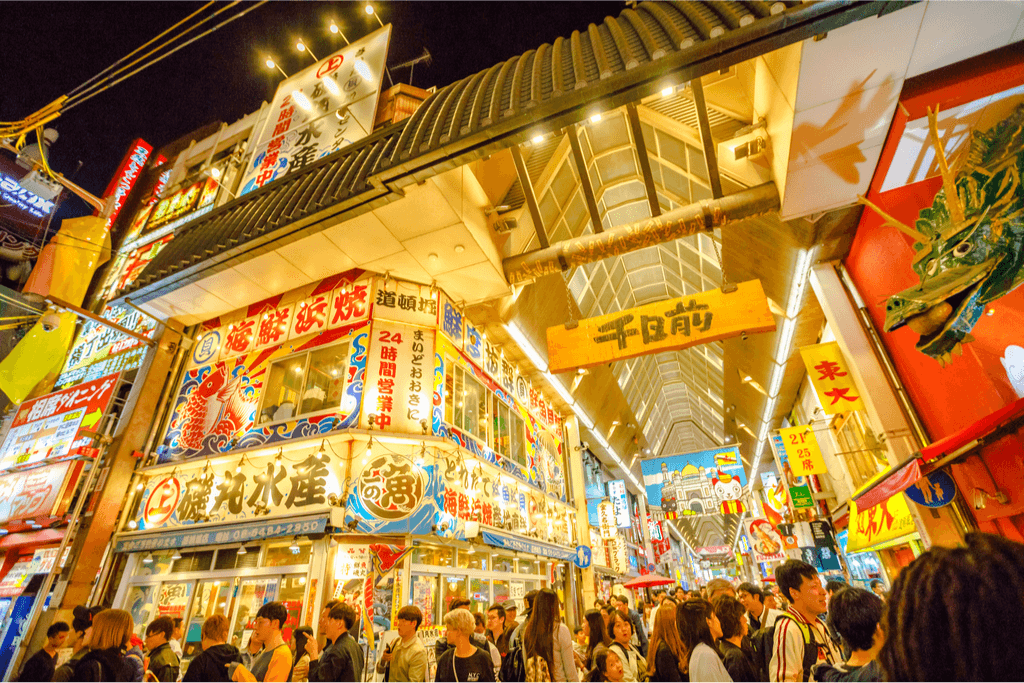
Golden Week is one of the longest holiday seasons in Japan, started in 1948. The name ‘Golden Week’ was coined in 1951 after the phrase ‘golden time’ from Japan’s radio and TV phrase, which was the primetime listening hours. But what days make up Golden Week, and why is it so special?
Brief Overview
Golden Week starts from the end of April and finishes in the first week of May, which consists of four national holidays: Showa Day, Constitution Day, Greenery Day and Children’s Day. Because of the clustered holidays in Golden Week, a larger number of people than normal stay tuned in and spend money on leisure activities.
During Golden Week, people in Japan take off from school and work to travel domestically and abroad such as traveling internationally or returning to their hometown. It is the busiest travel time. Transportation and sightseeing spots get significantly crowded and expensive, hotels are fully booked months in advance.
The most notable Golden Week in recent history was in 2019, where the ascension of Emperor Naruhito became its own national holiday. Because his Ascension Day took place between two regular days, they also turned into observational holidays as well. This extended 2019’s Golden Week to 10 days, making it the first “Platinum Week” in modern Japanese history.
Let’s now take a quick look at the usual holidays that take place during Golden Week.
Want to experience even more of authentic Japanese culture? Sakuraco delivers traditional Japanese snacks, teas and sweets, from local Japanese makers directly to your door, so you can try out the best taste from different regions of Japan at your convenience!

Showa Day (Showa no Hi)
April 29th, also known as Showa Day is the birthday of former Emperor Hirohito (1901-1989). He ruled during the Showa Era (1926-1989) for 62 years, making him one of the longest-reigning monarchs in history.
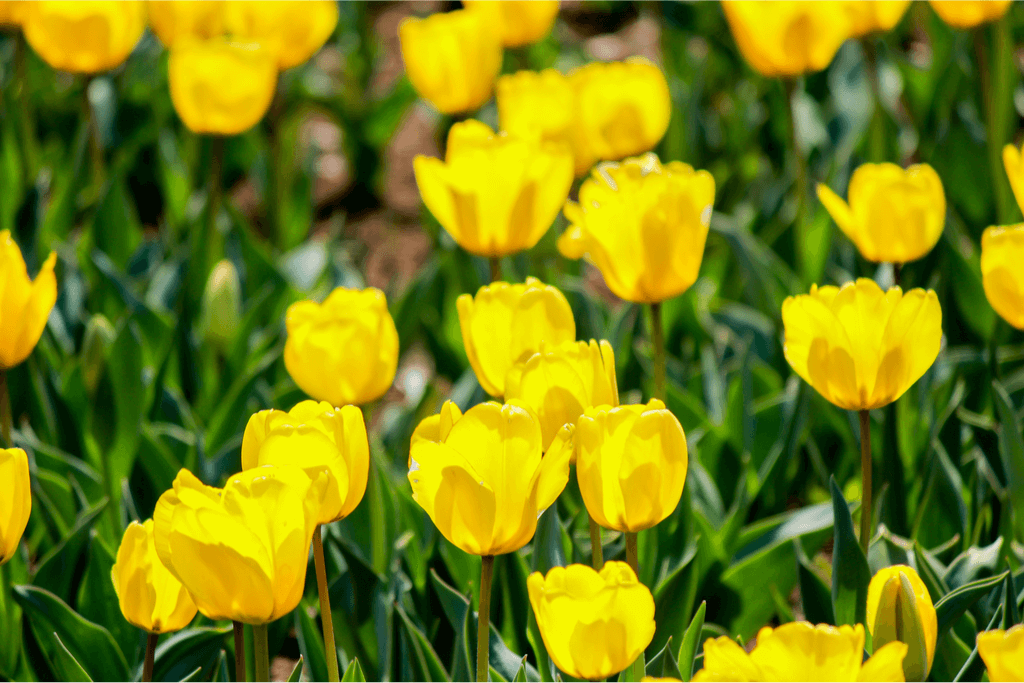
People in Japan celebrate this day traditionally via visiting shrines such as the Musashino Imperial Mausoleum in Tokyo or the National Showa Memorial Museum.
Constitution Day (Kenpo Kinenbi)
Constitution Day is for honoring the post-World War II constitution Japan established in 1947. The meaning of the day is not only to remember Japan’s history but also to reflect on democracy and government. It is held on May 3rd.
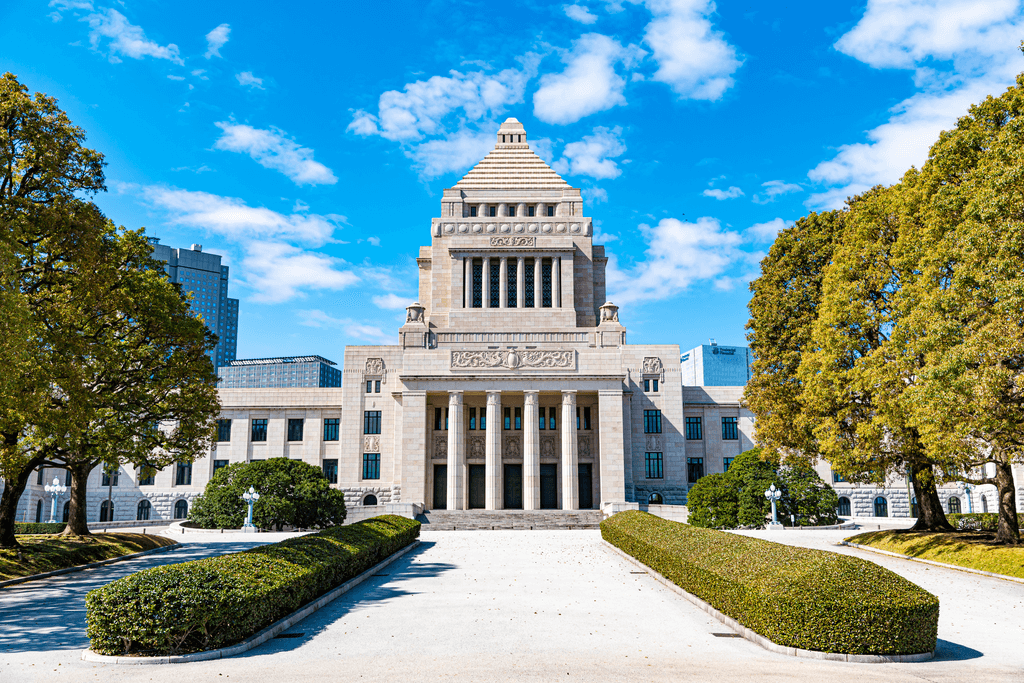
Constitution Day is the only day of the year that Japan’s National Diet opens to the public for tours of the building.
Greenery Day (Midori no Hi)
Greenery Day is a day to celebrate nature and outdoors on May 4th. It was formerly on April 29th and is a substitute holiday for Emperor Showa’s birthday. From 1989 to 2006, May 4th was just a simple rest day of the holiday. In 2007, Greenery Day moved to May 4th, and April 29th became Showa Day. The goverment renamed it to Greenery Day because of the Emperor’s love of plants and nature.
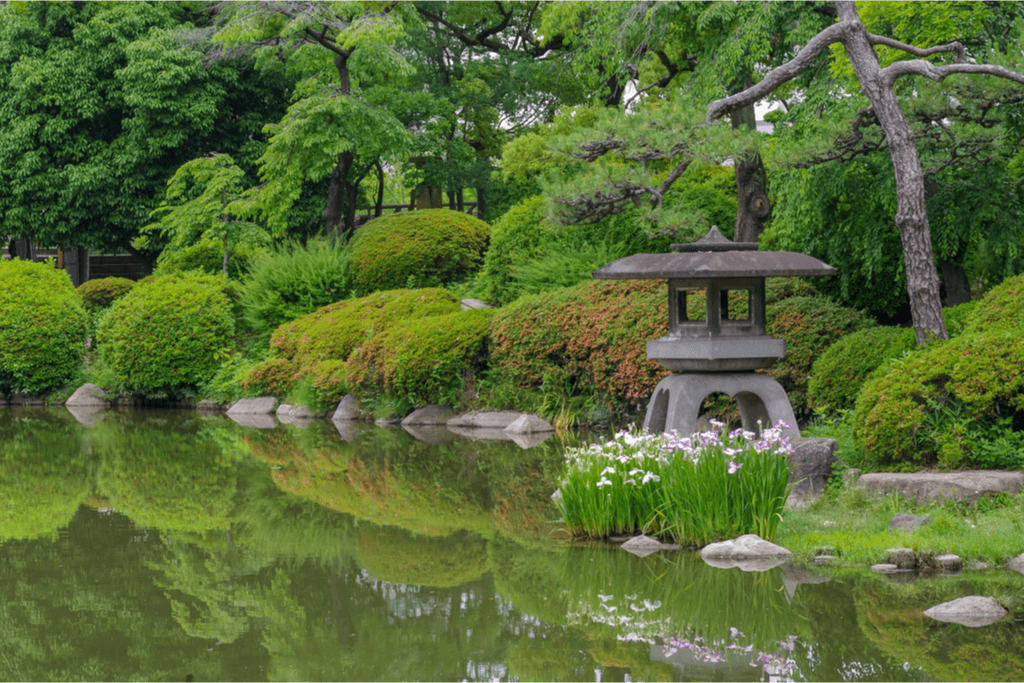
In the spirit of loving nature, most private gardens allow for free entry on Greenery Day. Rikugien Gardens in Komagome and Ueno Zoo in Ueno are just a few examples where you can appreciate nature. Some people even go hiking as well. Greenery Day is an opportunity to appreciate blessings in one’s life.
Children’s Day (Kodomo no Hi)
Children’s Day is on May 5th, and people celebrate it with carp kites. These carp kites represent strength and courage in Japan. In addition, they also display them in parks, public places and well-known city landmarks such as Tokyo Tower and Tokyo Skytree.
Originally the May 5th holiday was “Boys Day” and celebrated sons and fathers. However, the government renamed it “Children’s Day” in 1948 to celebrate all children and parents, regardless of gender.
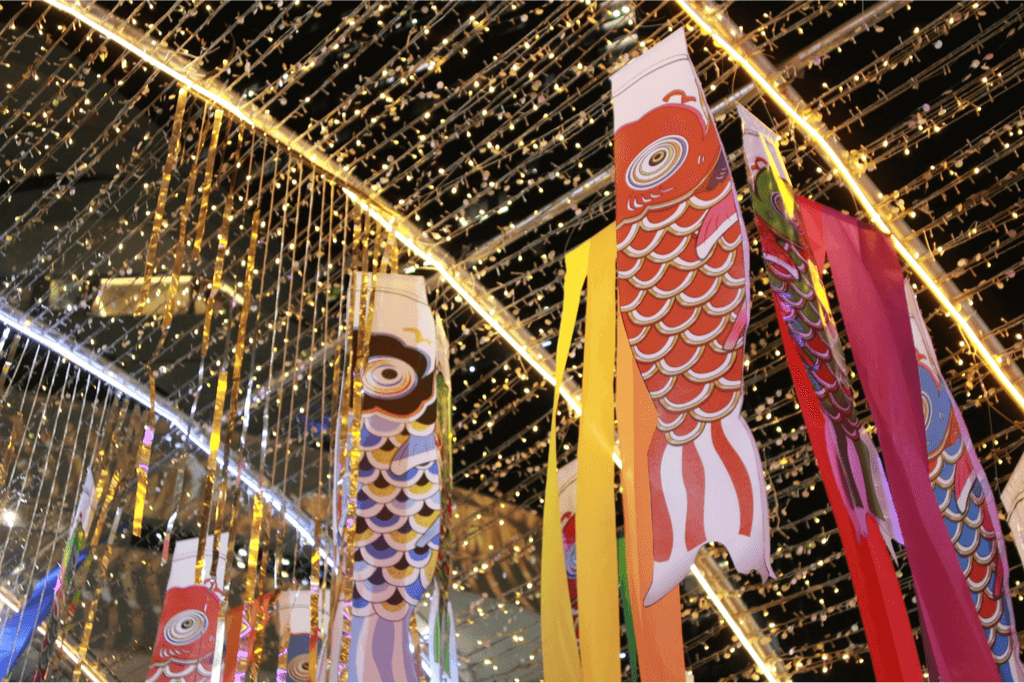
Children’s Day focuses on celebrating children’s health, happiness and personalities. Families may hang up those carp-shaped kites and flags in a view to praying for their health and future success. However, you may see some parents displaying samurai dolls and helmets which symbolize their children’s strength and spirit.
Have you ever celebrated Golden Week before? Let us know in the comments below.
Discover authentic flavors with Sakuraco
Get Sakuraco 
Discover authentic flavors with Sakuraco
Get Sakuraco
Related Articles
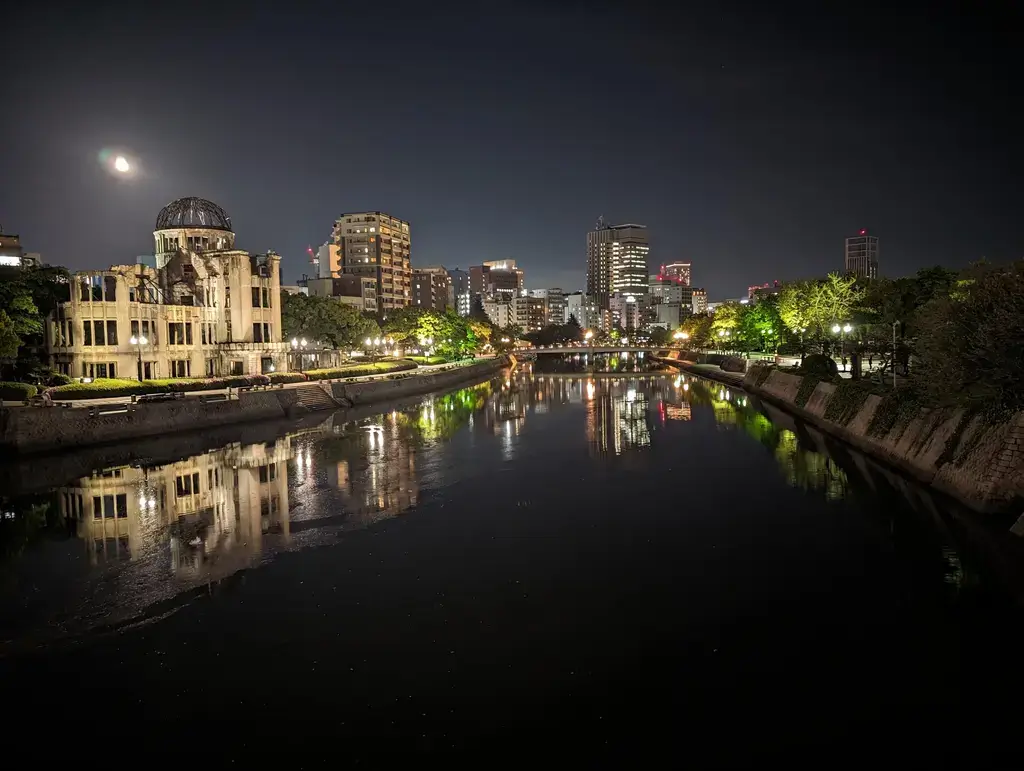
Hiroshima: History, Food, and Scenic Destinations
Hiroshima is one of Japan’s most historically important and culturally rich regions. Located along the Seto Inland Sea in western Japan, Hiroshima Prefecture is known for its history, food, and coastal scenery.
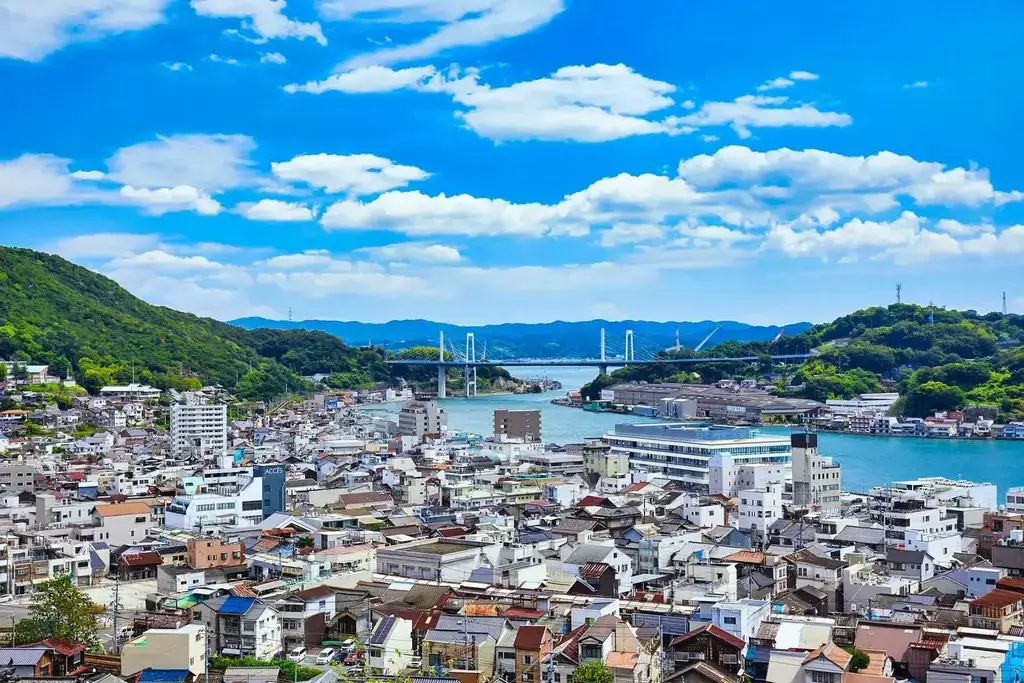
Onomichi: Hiroshima’s Historic Port City by the Seto Inland Sea
Onomichi is one of Hiroshima Prefecture’s most scenic and historic cities. Located along the Seto Inland Sea, Onomichi is known for its hillside temples, narrow streets, old shopping arcades, and waterfront views. The city has long been an important port town and remains popular with travelers seeking a quieter, more traditional side of Japan.
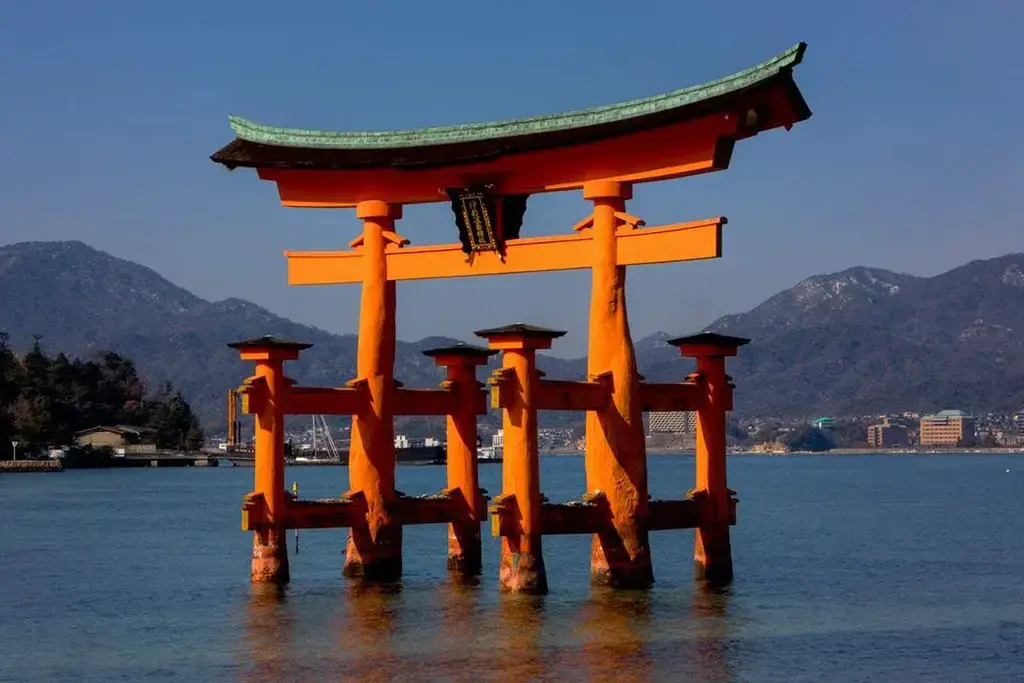
Miyajima: Hiroshima’s Famous Island of Shrines, Deer, and Scenic Views
Miyajima is one of Japan’s most famous islands and one of Hiroshima Prefecture’s best-known tourist destinations. Officially called Itsukushima, the island is better known by the nickname “Miyajima,” which means “shrine island” in Japanese.

Japanese Bathroom Makeover Time With Rachel and Jun!
A look at Rachel and Jun’s Japanese bathroom makeover, featuring simple DIY upgrades, smart storage solutions, and practical ideas you can try at home.