


what is mochi made of
What is Mochi Made Of? An Amazing Overview!

Savannah Walker

Posted on February 09, 2024
Share:
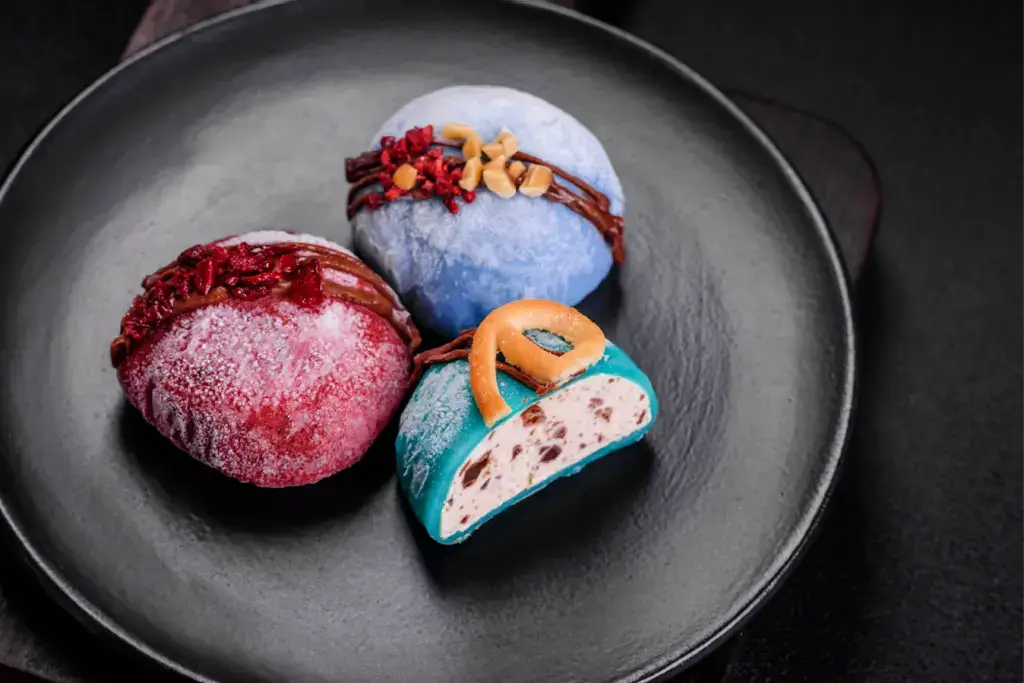
Let us journey into the fantastic realm of Japanese snacks as we dive deep into the common question, “What is mochi made of?” Mochi, a celebrated and popular treat in Japanese culture, takes its traditional roots to offer a unique combination of flavors and textures. From the classic to the innovative, let us unravel the diverse world of mochi. This soft and chewy confectionery wonder continues to attract our taste buds and spark culinary creativity!
What is mochi?
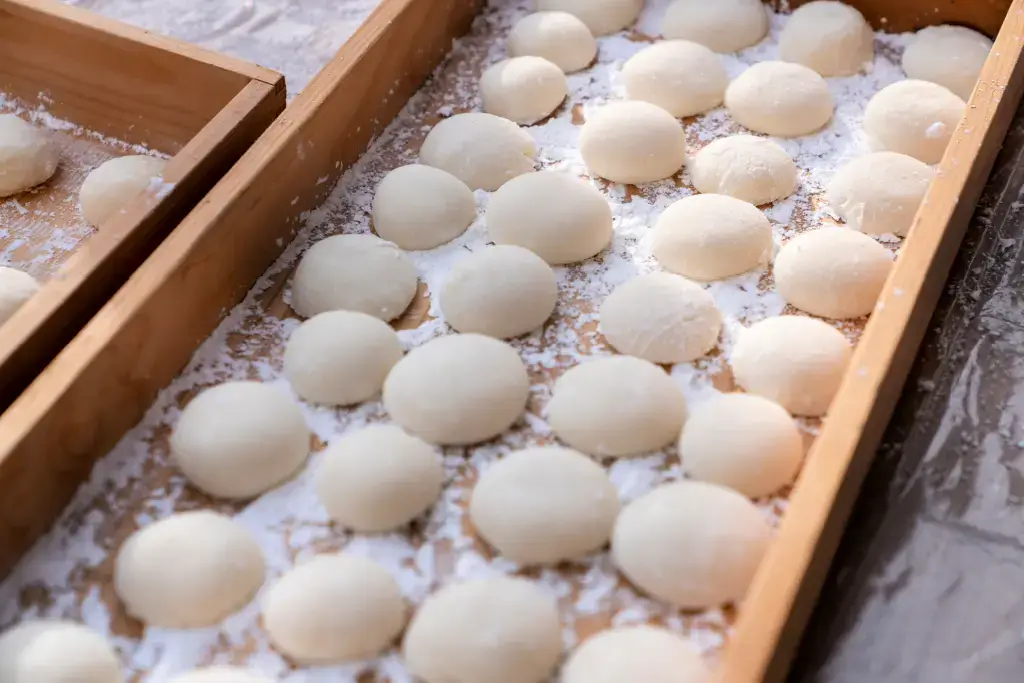
Mochi is a cake of glutinous rice. It has a soft and chewy texture. The traditional way to make it is by pounding glutinous rice until it is smooth and elastic. There are many types of mochi available today. Moreover, each type has unique ingredients and flavors. This adds depth to Japanese culinary heritage. So, what is mochi made of? Let’s explore the different types and discover what makes each one a special treat!
Kuzumochi
Next, let’s enter the enchanting world of kuzumochi, a variation that introduces arrowroot starch into the mix. This unique confection stands out with its translucent appearance and subtle sweetness. The light and airy texture of kuzumochi is a refreshing aspect that sets it apart from the denser traditional mochi.
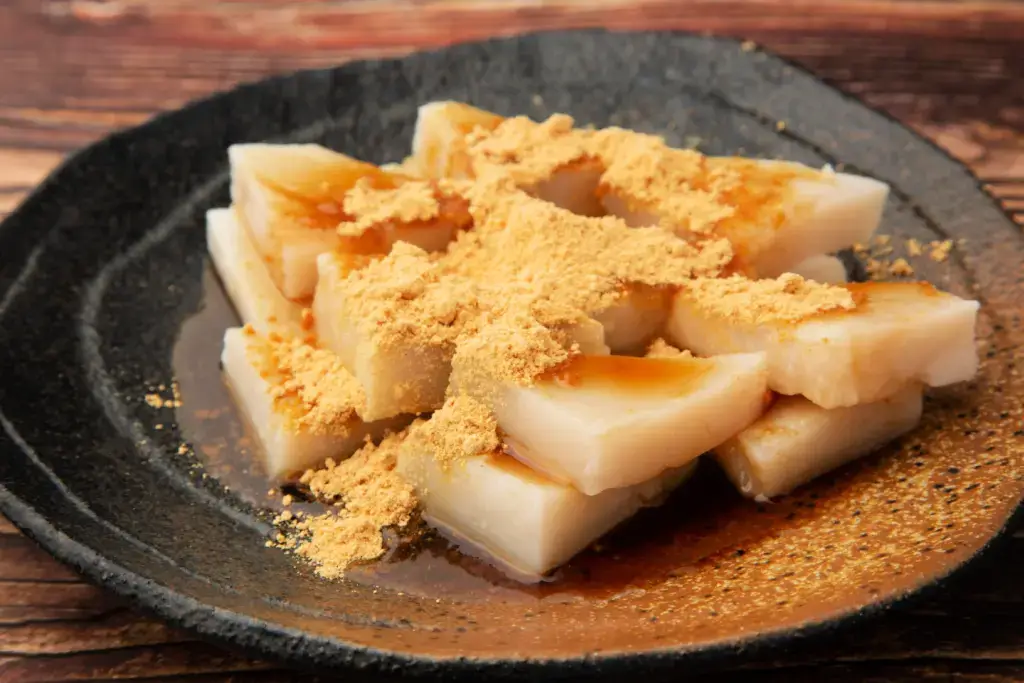
Often served with a delicate drizzle of soy sauce or accompanied by sweet red bean paste, kuzumochi embodies the essence of simplicity and refinement, creating an experience that lingers delicately on the palate.
Imomochi
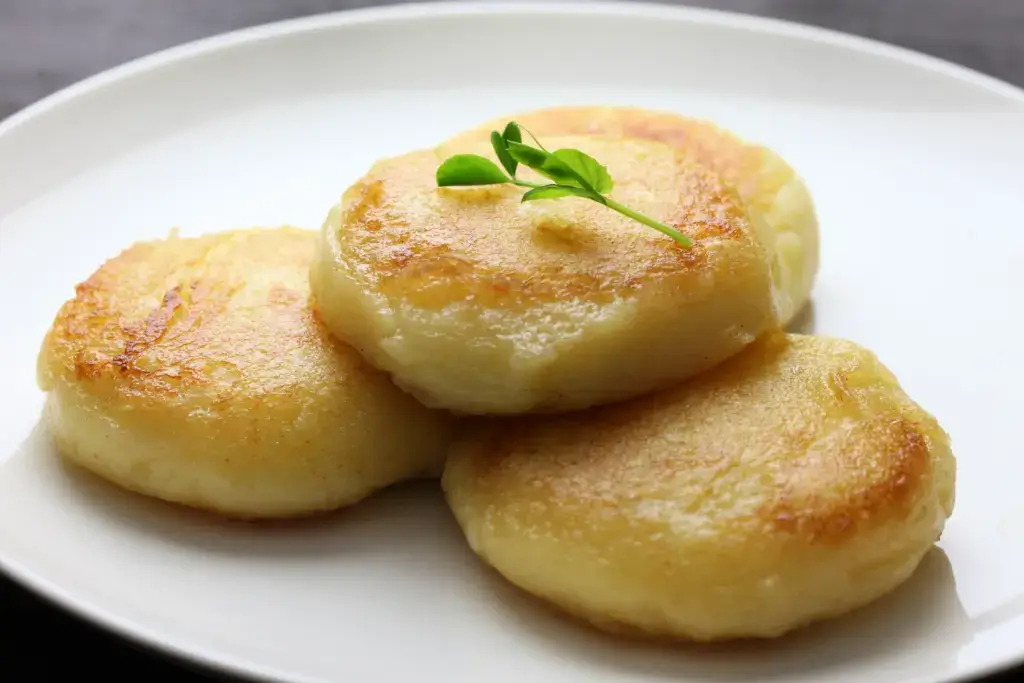
Imomochi takes a unique turn by incorporating potato starch into its rice creation. As a result, you get a slightly denser texture and an earthy flavor profile that offers a comforting indulgence reminiscent of savory home-cooked goodness! Because people enjoy it on its own or pair it with a bit of sweet red bean paste, imomochi’s versatility taps into the comforting side of Japanese cuisine. As a result, it’s a soul-soothing treat that defines Japanese tradition, allowing you to savor each bite and enjoy the savory goodness.
Warabimochi
For a taste of tradition, warabimochi steps into the spotlight. Using warabi powder (bracken starch), water, and sugar, warabimochi is a popular sweet treat people enjoy across Japan. The mixture is cooked until it thickens, then poured into molds to set before being cut into small, bite-sized pieces.
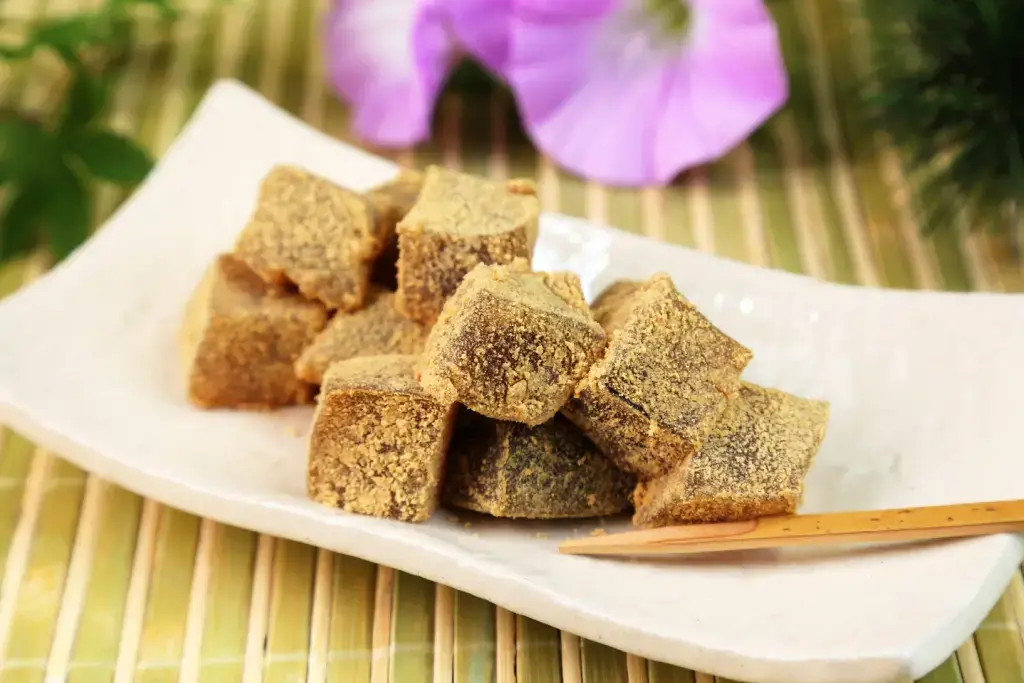
One of the defining features of warabimochi is its coating of kinako, roasted soybean flour. This powdery topping also adds a nutty flavor and helps prevent the sticky pieces from sticking together. Additionally, some variations may include a drizzle of kuromitsu syrup or a dusting of matcha powder for added depth of flavor.
Moreover, warabimochi’s popularity extends beyond its taste and texture; it also holds cultural significance in Japan. People enjoy it during festivals, celebrations, and special occasions, symbolizing good fortune and prosperity. Whether as a traditional dessert or a contemporary twist on a classic recipe, warabimochi offers a delightful culinary experience that continues to enchant locals and visitors alike with its unique texture and subtle sweetness.
Are you looking for some unique types of mochi to enjoy? Check out Sakuraco! Sakuraco delivers traditional Japanese snacks, teas, sweets, and snacks from local Japanese makers directly to your door so you can enjoy the latest treats directly from Japan!

Mizu shingen mochi
Mizu shingen mochi is a delicate Japanese dessert that has become very popular. Another name for it is “Raindrop Cake”. The cake’s ingredients include mineral water from the Japanese Alps and agar powder. It has a unique texture that is smooth and slippery.
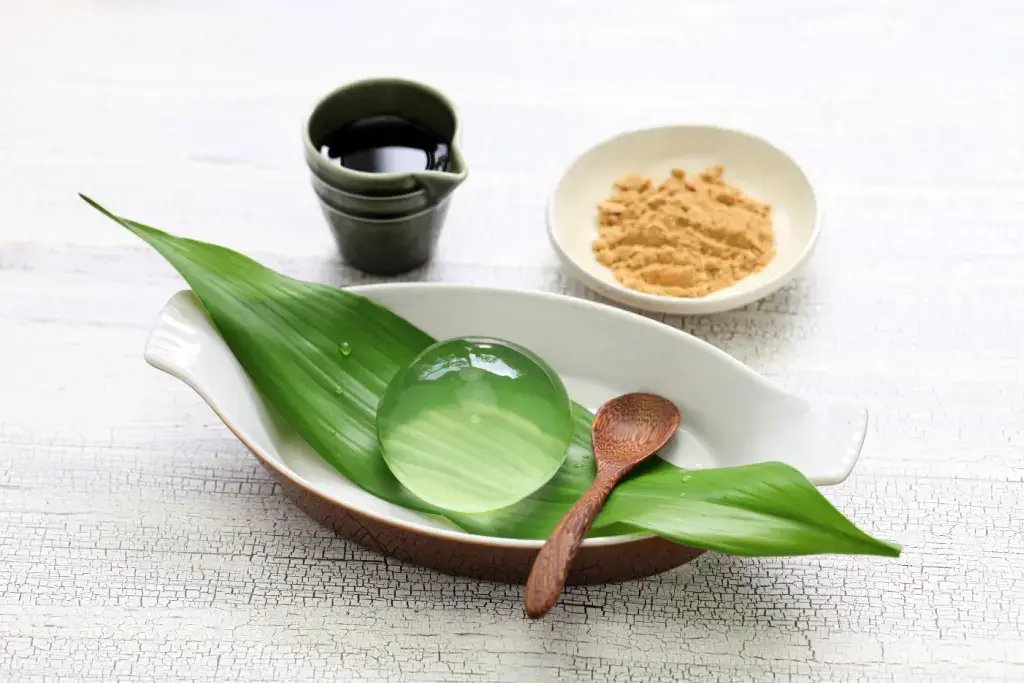
Generally, this dessert has a subtle taste. Moreover, it usually comes with kuromitsu (Japanese brown sugar syrup) and kinako. In addition, chefs and food enthusiasts sometimes add different flavors like matcha, sakura, or a layer of azuki bean paste. These variations add depth to the delicate dessert while retaining its essence of simplicity and elegance.
Celebrated for its ephemeral beauty and subtle sweetness, mizu shingen mochi also offers a refreshing departure from the ordinary. Undoubtedly, it’s a culinary marvel that invites you to experience the magic and wonder of Japanese cuisine in its purest form.
Why is it important to know what mochi is made of?
Overall, understanding the diverse ingredients used in mochi deepens our appreciation for this beloved treat and offers insight into Japanese culinary traditions. Because each variety of mochi has a unique blend of ingredients and flavors, is a testament to Japanese cuisine’s ingenuity and creativity. From the delicate allure of kuzumochi to the heartwarming indulgence of imomochi, the universe of mochi has endless possibilities and delightful surprises.
Leave a comment below and share your thoughts. What does mochi mean to you? Have you ever tried any of the unique mochi varieties mentioned above? We look forward to hearing from you and enjoy the marvelous mochi this season!
Discover authentic flavors with Sakuraco
Get Sakuraco 
Discover authentic flavors with Sakuraco
Get Sakuraco
Related Articles

Kyoto Confectionery Museum: Everything You Need to Know
Although Kyoto is famous for temples, gardens, and historic districts, the city is also known for its centuries-old confectionery culture. The Kyoto Confectionery Museum shows how sweets became closely connected to tea ceremonies, seasonal celebrations, and Japanese aesthetics.
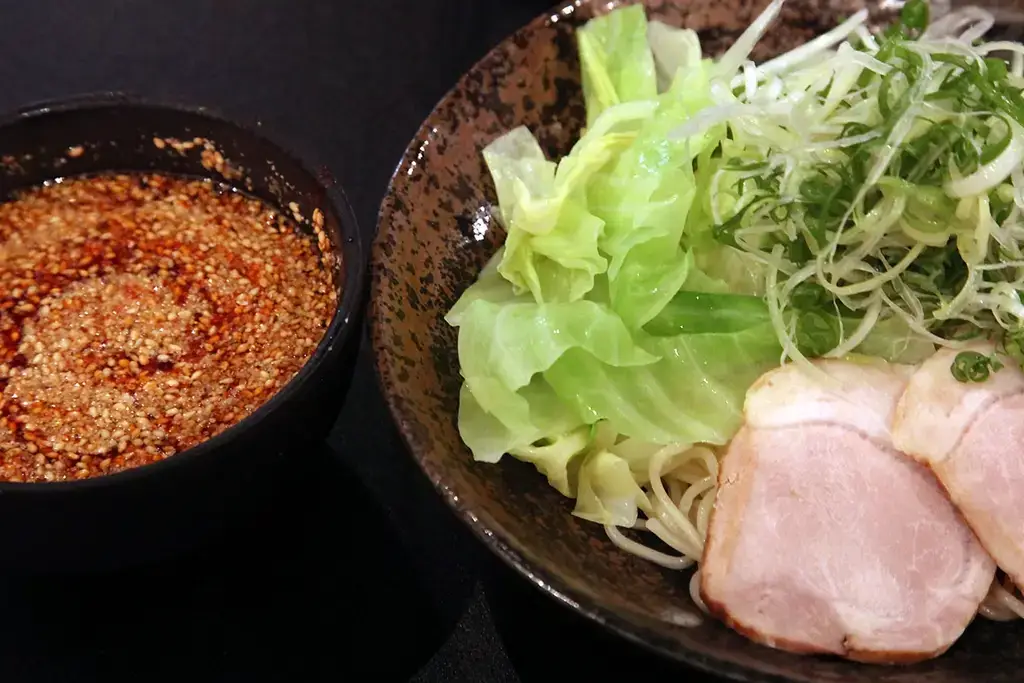
Hiroshima Tsukemen: A Spicy Take on Japanese Dipping Noodles
Tsukemen is one of Japan’s best-known noodle dishes, but Hiroshima offers its own distinctive version that differs sharply from the richer styles found in Tokyo and other parts of the country.
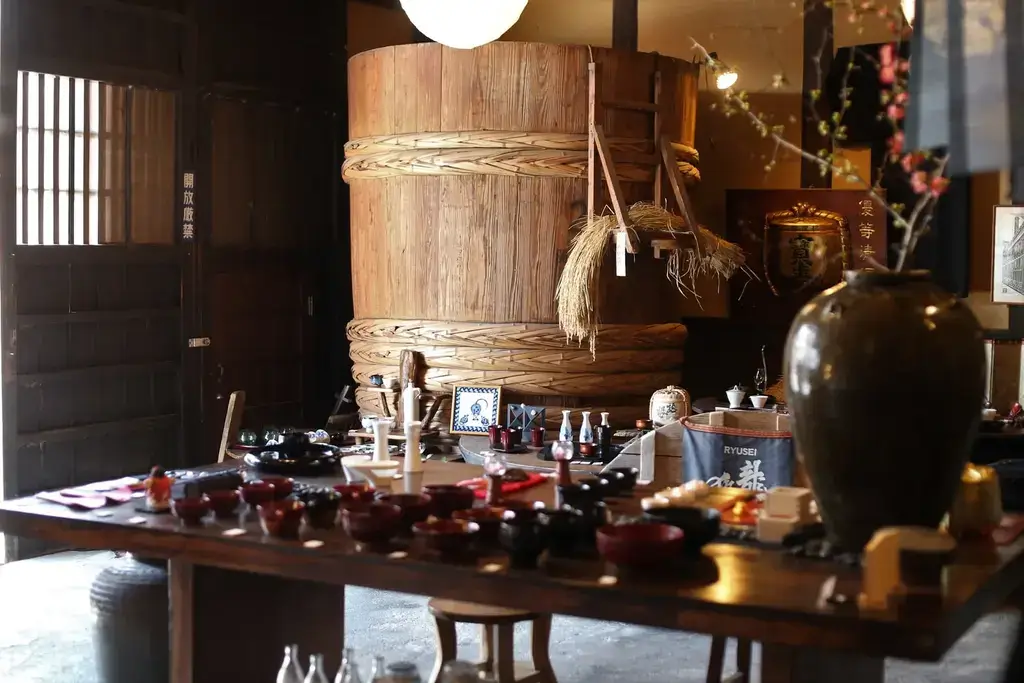
Sake from Takehara City: A History of Brewing
Takehara City in Hiroshima Prefecture is one of Japan’s historic sake towns. Located near the Seto Inland Sea, the city became wealthy during the Edo period through trade and sake brewing. Today, Takehara is still known for its traditional streets, old breweries, and connection to Hiroshima’s sake culture.

Aaron and Claire Soy-Glazed Pork Belly Recipe: A Guide!
Aaron and Claire share an easy soy-glazed pork belly rice bowl recipe that combines tender pork, a rich savory glaze, and simple ingredients for a comforting Japanese-inspired dinner at home.