


culture, japanese food, sake cup
Ochoko: The Best Sake Glass Brilliant History!

Anna Ayvazyan

Posted on March 24, 2023
Share:
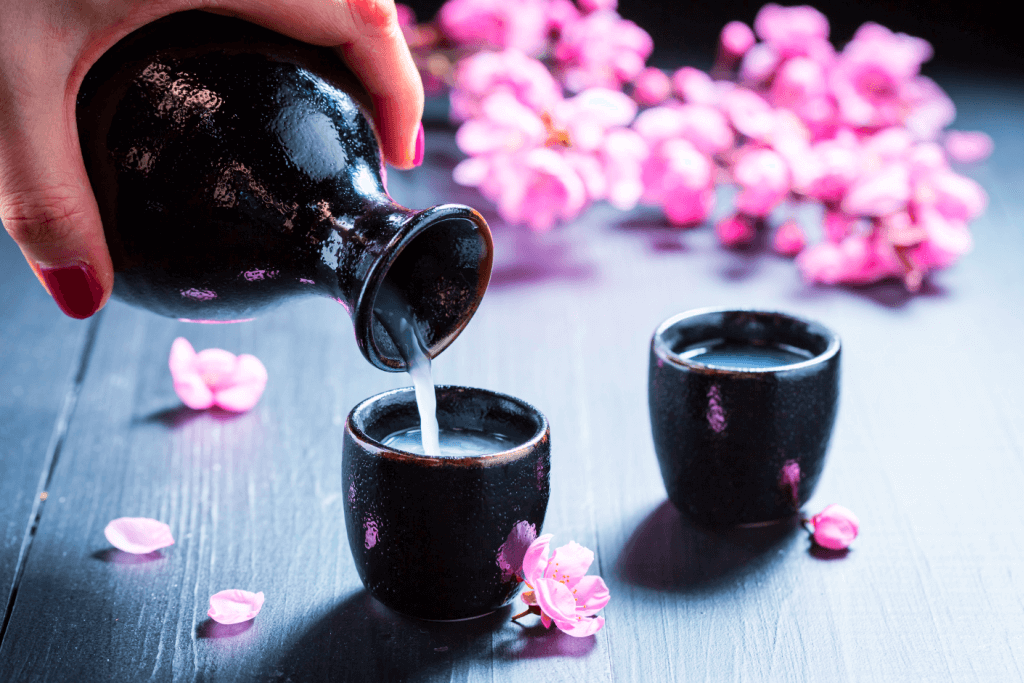
When you visit a Japanese restaurant or izakaya and order alcoholic drinks, you may come across ochoko (small sake cup). There is a long history of ochoko in Japan, and now in modern times, there are wide varieties of sake cups and glasses that people use to drink sake!
Sakezuki and Masu
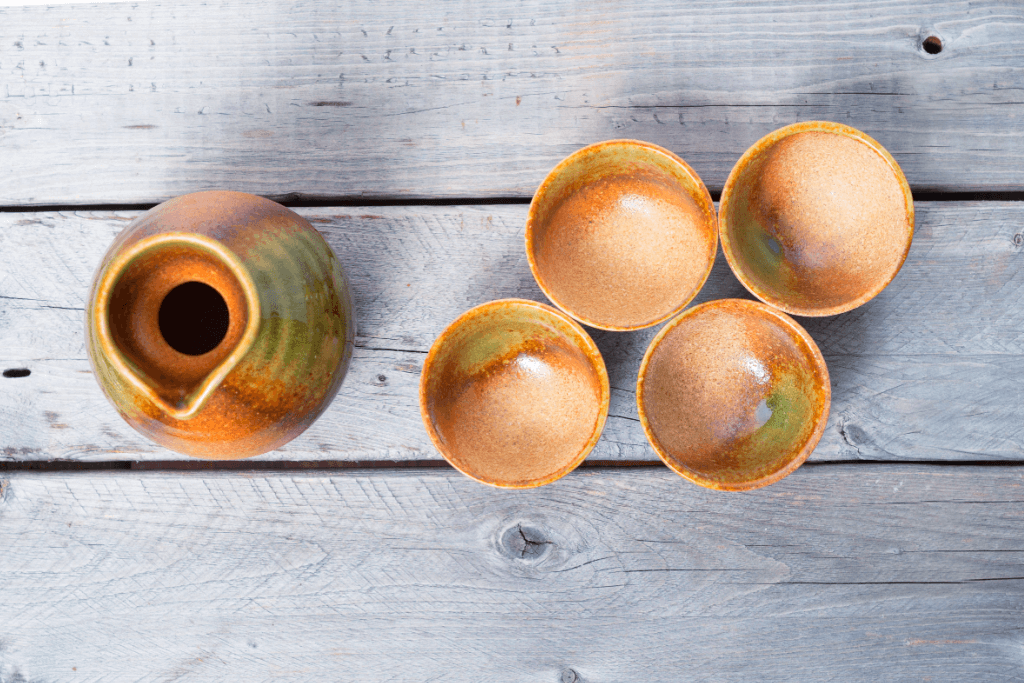
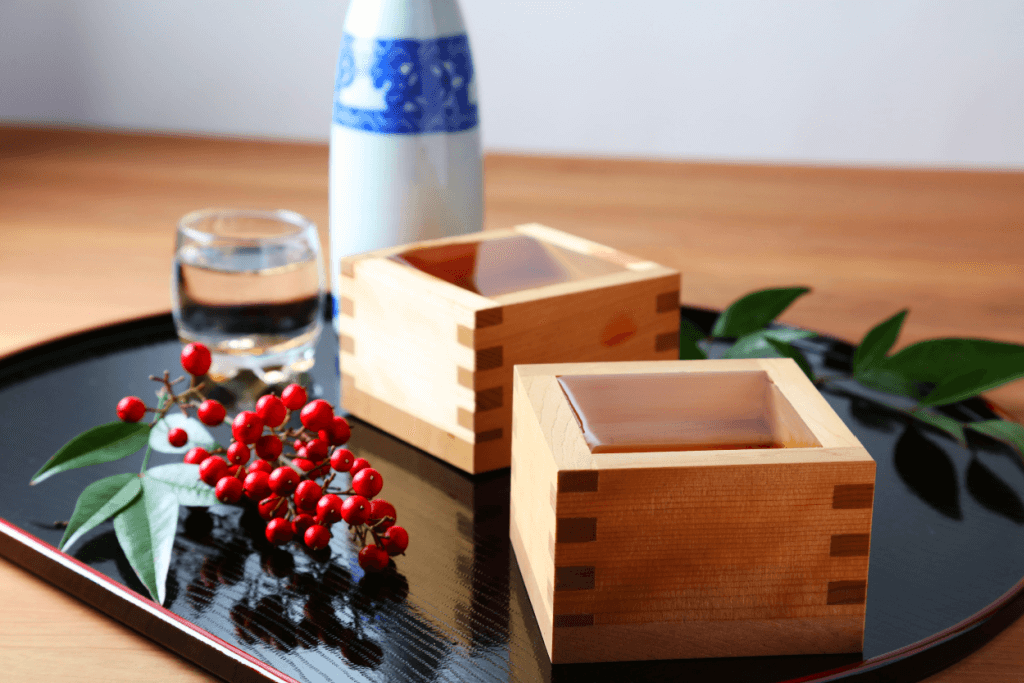
Sakezuki is the oldest type of sake (rice wine) cup and is often still used in ceremonies. It is a broad and shallow cup. Usually, it can only hold up a few drops of sake. Masu is a type of box. It is usually made from hinoki (cypress wood), but recently, it has been common to find plastic varieties. This cup is usually served as a way to show a proprietor’s generosity.
Guinomi and Ochoko
Guinomi and ochoko are very rounded cups that may need help to distinguish. While ochoko is a small rounded glass typically holding 20-90ml of sake, guinomi is slightly larger. In addition, guinomi typically uses ceramic material, while ochoko uses glass, ceramic, metal, or wood.
In present times the most common sake cup you may come across in Japan is ochoko. When you buy ochoko, it usually comes in a set. These sets usually come with tokkuri, a small flask (usually ceramic) that holds the sake. They can come with three to four cups or, if they’re astrologically themed, in a set of 12.
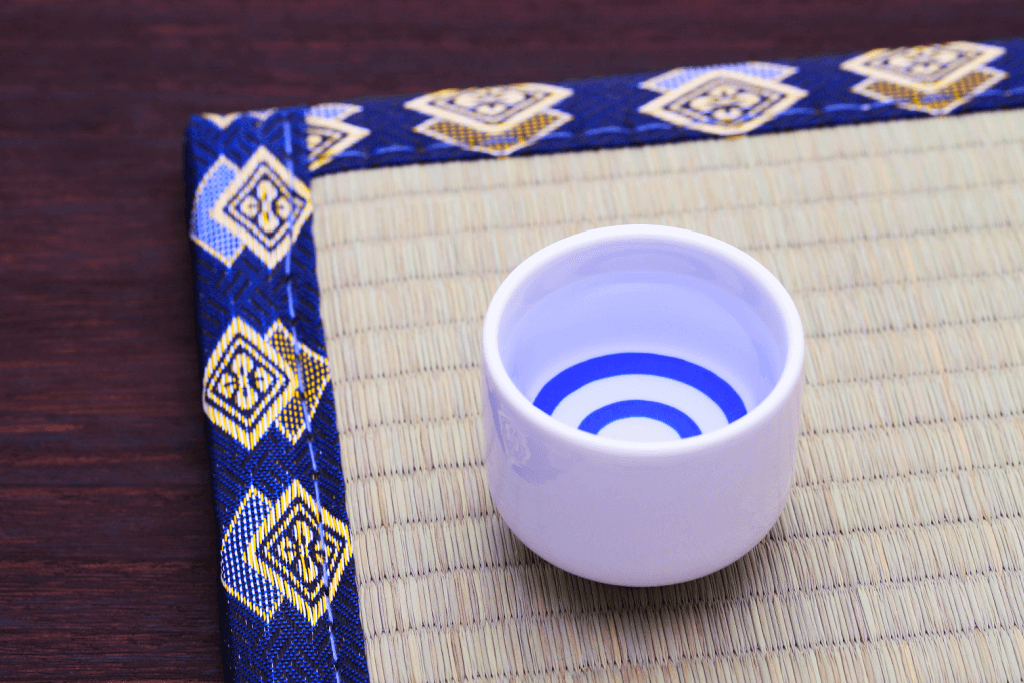
One of the benefits of ochoko is that it is suitable for both warm and cold sake. Compared to other cups, it can handle a variety of temperatures while maintaining the taste of the aroma of the sake. It is also advantageous to quickly grasp the color and clarity of the sake. The most common ochoko sold are kikichoko, glasses with a white base and blue rings inside. These glasses are often used in sake taste testing.
Looking to get a free ceramic gift with your snack box? Check out Sakuraco! Sakuraco delivers traditional Japanese snacks, teas, sweets, and snacks from local Japanese makers directly to your door so you can enjoy the latest sweets directly from Japan!

What does ochoko look like?
Generally, the smaller the ochoko cup, the more flavors are pronounced. If the glasses’ rim is narrow, then the sweetness is enhanced. The acidic notes are more direct if the glasses’ rim is thicker. Compared to guinomi, ochoko’s size makes it easier to sip the sake. Guinomi is strongly associated with taking shots or large gulps due to its size. So if you want to take slower sips, ochoko is the better choice of a cup!
The different materials of ochoko can also influence the taste of the sake.
Ochoko, made from pottery, usually has rounder edges, enhancing the sake’s sweetness. Because the cup is light, it’s more suitable for rich and dry sake. Ochoko, made from the tin, is said to mellow out the flavors of the sake and is suited for warm sake.
Where did ochoko come from?
Ochoko’s name comes from another Japanese phrase, Choku or Chotto, which means “just a little.” Over time, this phrase became synonymous with the alcoholic sipping culture in Japan. Historically ochoko were not used as sake cups. Instead, they were used as small pots to store different kinds of vinegar and sauces in the kitchen or on dinner tables.
In the Edo period (1603-1867), ochoko began to be used more prominently at sake parties. Originally sakezuki was used as a vessel to hold sake but couldn’t hold much. Around this time, making sake became more developed, and alcoholic volume grew.
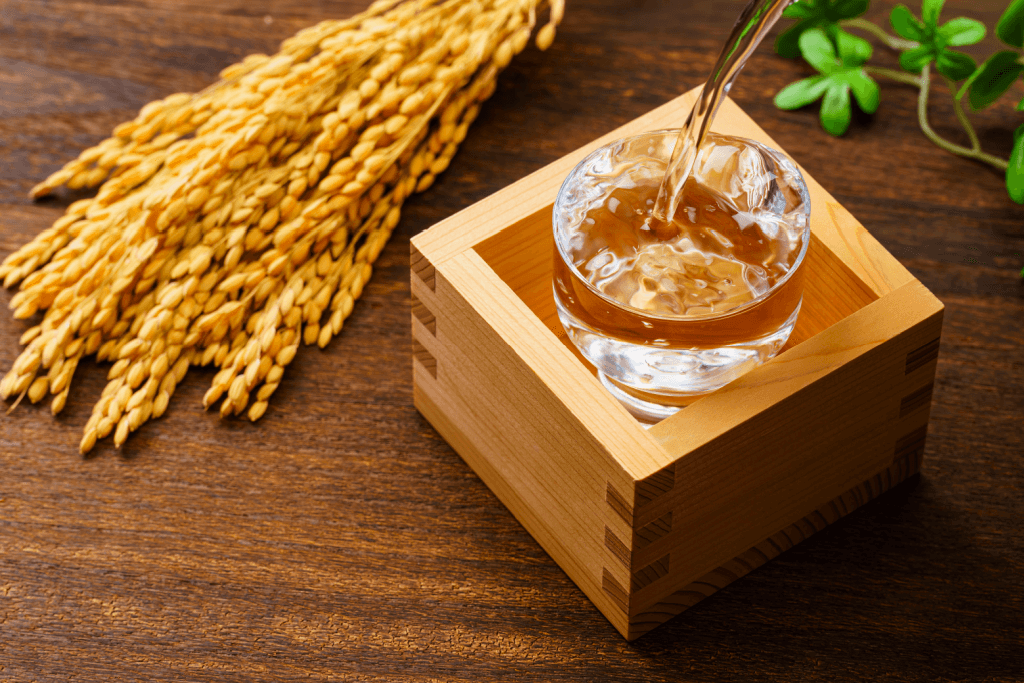
As the alcoholic volume of sake grew, people sought other vessels to hold sake. So people decided to use ochoko, as it could hold more sake than sakezuki. The ochoko cup quickly became very popular due to its size. The glasses’ size also promoted sipping instead of gulping the alcohol, which made the parties last longer!
As ochoko became popular, it also influenced social gatherings in Japan. Since ochoko can hold a small but considerable amount of sake, the amount filled can reflect your social status. In sake culture, it is customary to fill others’ glasses. Those who always have a full glass of ochoko at a party are typical of higher status.
There are many different ways to drink sake. Different cups can change the taste of the sake! Even a cup’s material can influence the sake! Which sake cup do you want to drink out of and why? Let us know in the comments below!
Discover authentic flavors with Sakuraco
Get Sakuraco 
Discover authentic flavors with Sakuraco
Get Sakuraco
Related Articles
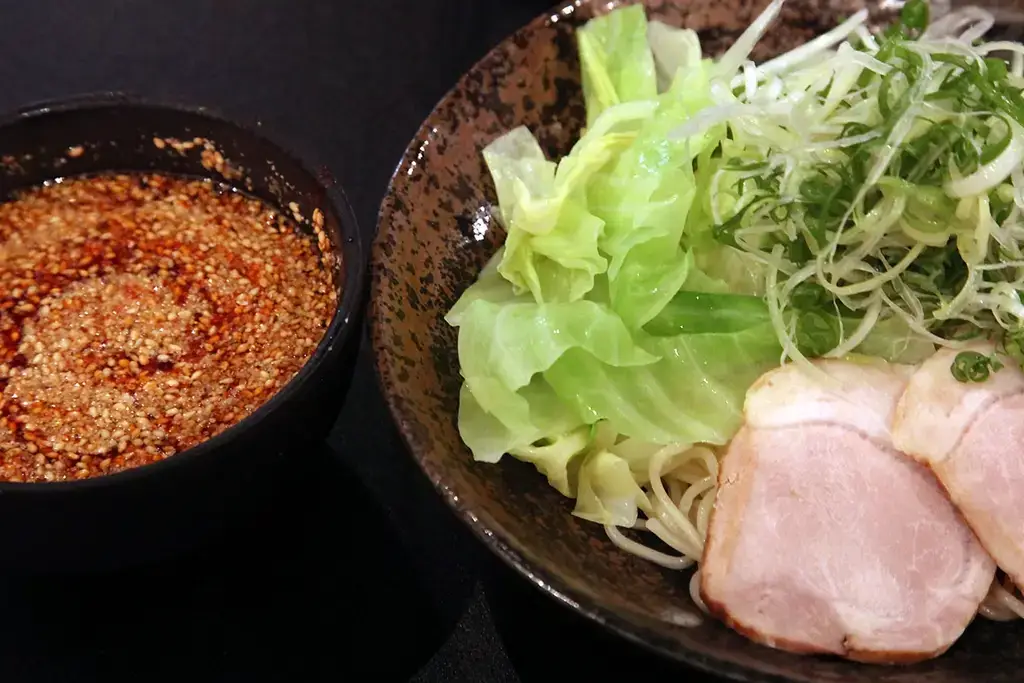
Hiroshima Tsukemen: A Spicy Take on Japanese Dipping Noodles
Tsukemen is one of Japan’s best-known noodle dishes, but Hiroshima offers its own distinctive version that differs sharply from the richer styles found in Tokyo and other parts of the country.
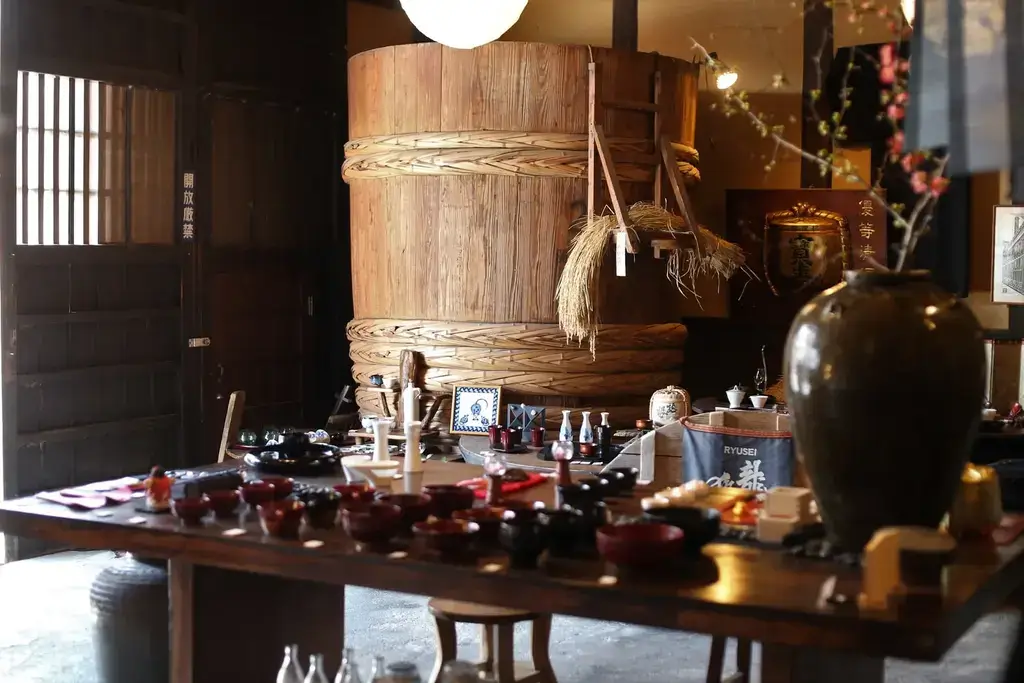
Sake from Takehara City: A History of Brewing
Takehara City in Hiroshima Prefecture is one of Japan’s historic sake towns. Located near the Seto Inland Sea, the city became wealthy during the Edo period through trade and sake brewing. Today, Takehara is still known for its traditional streets, old breweries, and connection to Hiroshima’s sake culture.

Aaron and Claire Soy-Glazed Pork Belly Recipe: A Guide!
Aaron and Claire share an easy soy-glazed pork belly rice bowl recipe that combines tender pork, a rich savory glaze, and simple ingredients for a comforting Japanese-inspired dinner at home.
Rachel and Jun Turn Bamboo Into a Japanese Bamboo Fence
Rachel and Jun use free bamboo to build a DIY garden fence and turn their backyard into a calm and cozy Japanese-style garden.