


Miyajima: Hiroshima’s Famous Island of Shrines, Deer, and Scenic Views

Thalia Harris

Posted on May 29, 2026
Share:
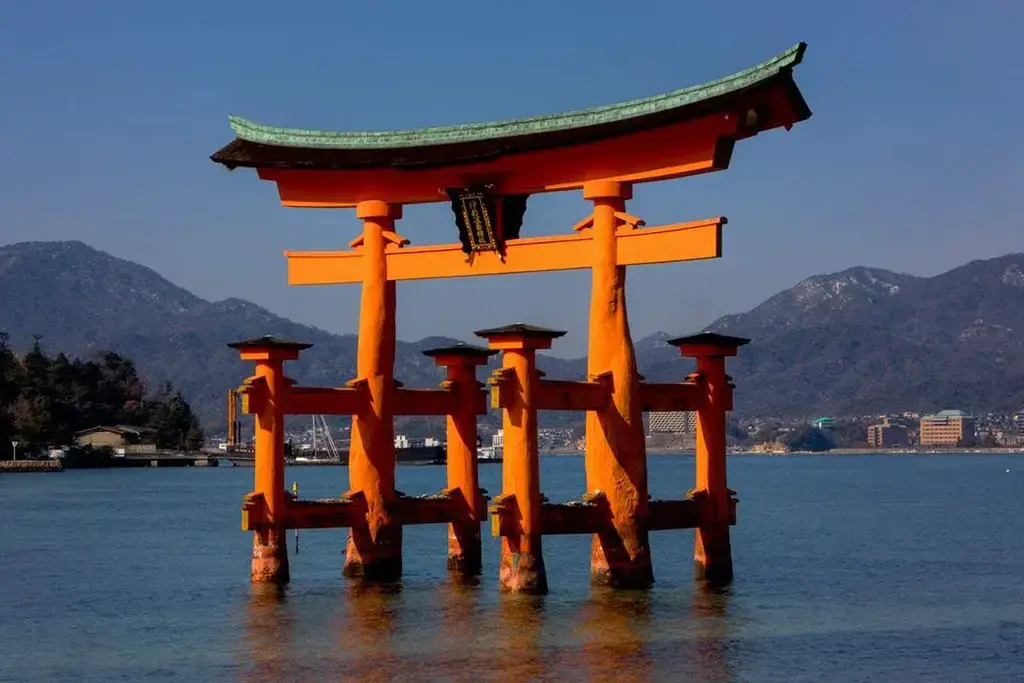
Miyajima is one of Japan’s most famous islands and one of Hiroshima Prefecture’s best-known tourist destinations. Officially called Itsukushima, the island is better known by the nickname “Miyajima,” which means “shrine island” in Japanese.
What makes Miyajima special?
Located in the Seto Inland Sea, Miyajima is known for its historic shrines, mountain scenery, friendly deer, and the large red torii gate that appears to float on the water during high tide. The island combines natural beauty with religious history, making it one of Japan’s most important cultural sites. Many visitors travel to Miyajima as a day trip from Hiroshima City, using ferries that connect the mainland to the island in less than an hour.
The Famous Floating Torii Gate
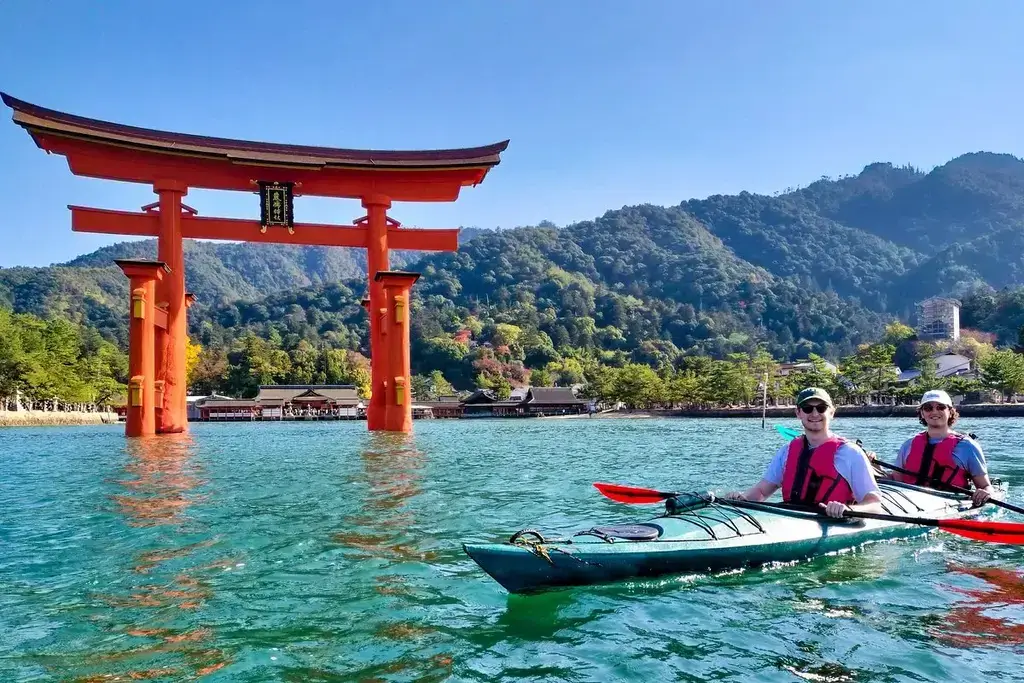
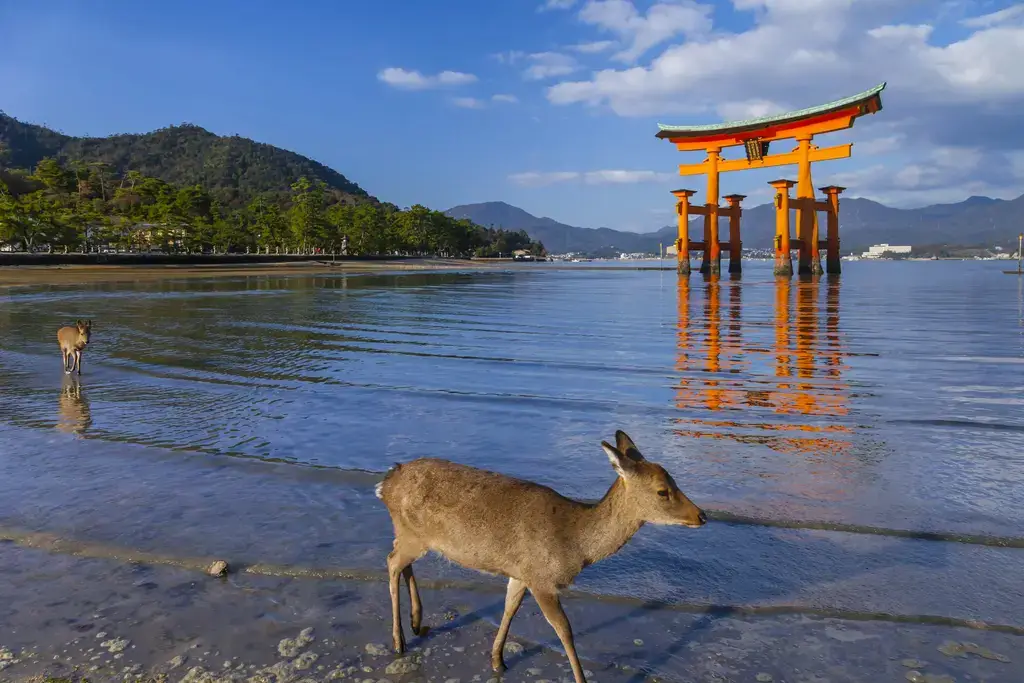
The most recognizable symbol of Miyajima is the large red torii gate standing in the water near the shore. The gate belongs to Itsukushima Shrine, one of Japan’s most famous Shinto shrines. During high tide, the gate appears to float above the sea. During low tide, visitors can walk across the sand and stand near the structure. This changing scenery is one reason the shrine has become so famous throughout Japan and internationally. The current torii gate dates back to 1875 and stands several stories tall. Built mainly from camphor wood, it has become one of the country’s most photographed landmarks.
Itsukushima Shrine and Religious History
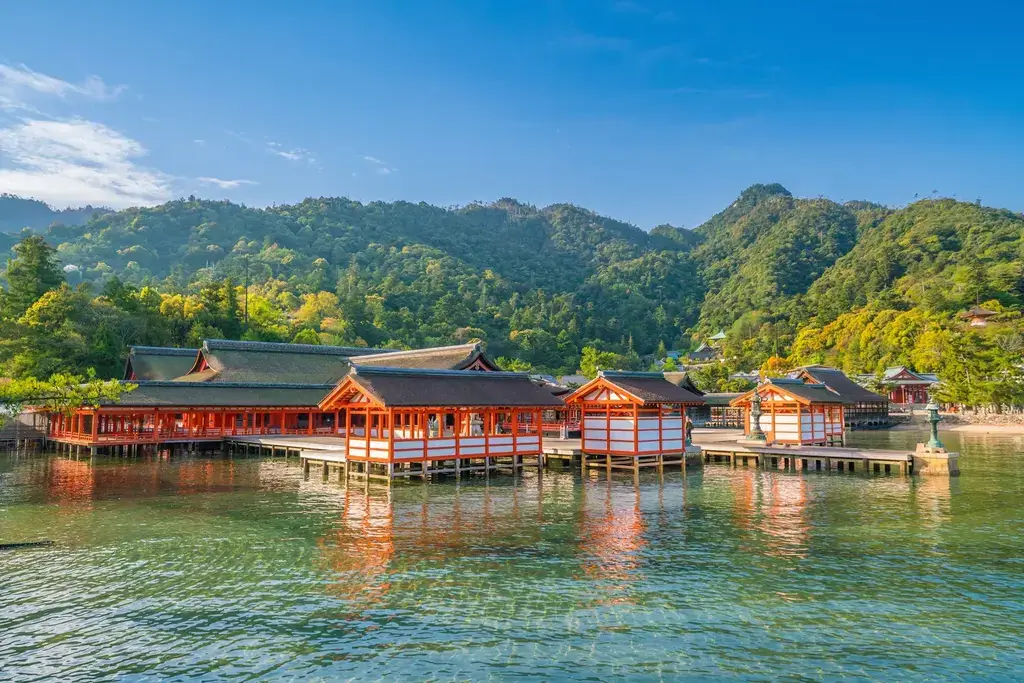
Itsukushima Shrine has a long history connected to both Shinto and Buddhism. The shrine is believed to have originally been established more than 1,400 years ago, although many of the current buildings were shaped by the powerful military leader Taira no Kiyomori during the 12th century. The shrine was built over the water partly to avoid building directly on the island’s sacred ground. The buildings were built on piers above the sea, giving the impression that the shrine floated during high tide.
Historically, the island adhered to strict religious purity traditions rooted in Shinto beliefs. For many centuries, certain activities connected to death and impurity were restricted on the island because it was considered a sacred place. Today, Itsukushima Shrine is recognized as a UNESCO World Heritage Site and remains an important place for religious ceremonies and tourism.
Miyajima’s Deer and Wildlife
Miyajima is also famous for its deer, which roam freely throughout the island. In Japanese tradition, deer were once believed to be messengers of the gods in Shinto. Visitors often see deer walking near shops, temples, parks, and ferry areas. Visitors are now discouraged from feeding the deer in order to protect their health and the island’s environment. Beyond the deer, the island is also known for its forests, hiking trails, and coastal scenery, which attract nature lovers year-round.
Mount Misen and Hiking Trails
At the center of the island stands Mount Misen, Miyajima’s highest mountain. The mountain offers panoramic views of the Seto Inland Sea and surrounding islands. Visitors can reach the mountain using hiking trails or a ropeway that travels partway up the slope. Several observation areas near the summit provide some of the region’s most impressive views.
Mount Misen is also connected to religious history. Buddhist monk Kukai, also known as Kobo Daishi, is believed to have practiced Buddhism there during the 9th century. Some temple buildings and sacred sites associated with these traditions still stand on the mountain today.
Are you looking for great snacks while on vacation? Check out Sakuraco! Sakuraco sends traditional Japanese snacks, teas, and sweets from local makers straight to your door each month!

Food Specialties on Miyajima
Miyajima is known for several regional foods, especially oysters and momiji manju. Hiroshima Prefecture is one of Japan’s largest oyster-producing regions, and grilled or fried oysters are common around the island. Momiji manju is a maple leaf-shaped cake usually filled with sweet red bean paste, though modern versions may contain chocolate, custard, or other flavors. The dessert became closely associated with Miyajima and is now one of Hiroshima’s best-known souvenirs. Visitors can also find local seafood dishes, grilled snacks, and cafes along the island’s shopping streets near the ferry terminal.
Miyajima’s Historic Streets and Atmosphere
Part of Miyajima’s appeal comes from its slower pace and traditional atmosphere. Many streets near the shrine area contain wooden buildings, old-style shops, inns, and small restaurants. Unlike large modern tourist districts, much of the island remains focused on scenery, walking, and historical preservation. Visitors often spend time exploring side streets, coastal paths, and temple areas away from the busiest sections near the shrine. The island changes noticeably throughout the seasons. Cherry blossoms attract spring visitors, while autumn leaves create colorful scenery around temples and hiking trails.
Tourism and Cultural Importance
Miyajima has long been considered one of Japan’s most scenic locations. Together with Matsushima and Amanohashidate, it is traditionally listed among the “Three Views of Japan.” Because of its religious and cultural significance, the island attracts both domestic and international tourists year-round. School trips, cultural tours, and overseas travelers all contribute to Miyajima’s popularity. At the same time, local authorities continue working to balance tourism with environmental protection and historical preservation. Maintaining the shrine buildings, natural landscape, and wildlife remains an important challenge as visitor numbers continue growing.
Why Visitors Continue to Love Miyajima
Miyajima offers a mix of history, religion, scenery, and local culture that is hard to find elsewhere. Visitors can explore ancient shrines, hike mountain trails, eat fresh seafood, and enjoy views of the Seto Inland Sea all within a relatively small island. The island’s atmosphere also changes depending on the tides, weather, and season. High tide creates the famous floating shrine scenery, while low tide allows visitors to walk near the torii gate itself. For many travelers, Miyajima represents a quieter and more traditional side of Japan compared to large urban centers like Tokyo or Osaka. In the end, Miyajima remains one of Japan’s most iconic destinations. Through its sacred shrines, mountain scenery, famous torii gate, and long religious history, the island continues to attract visitors from around the world.

Discover authentic flavors with Sakuraco
Get Sakuraco 
Discover authentic flavors with Sakuraco
Get Sakuraco
Related Articles
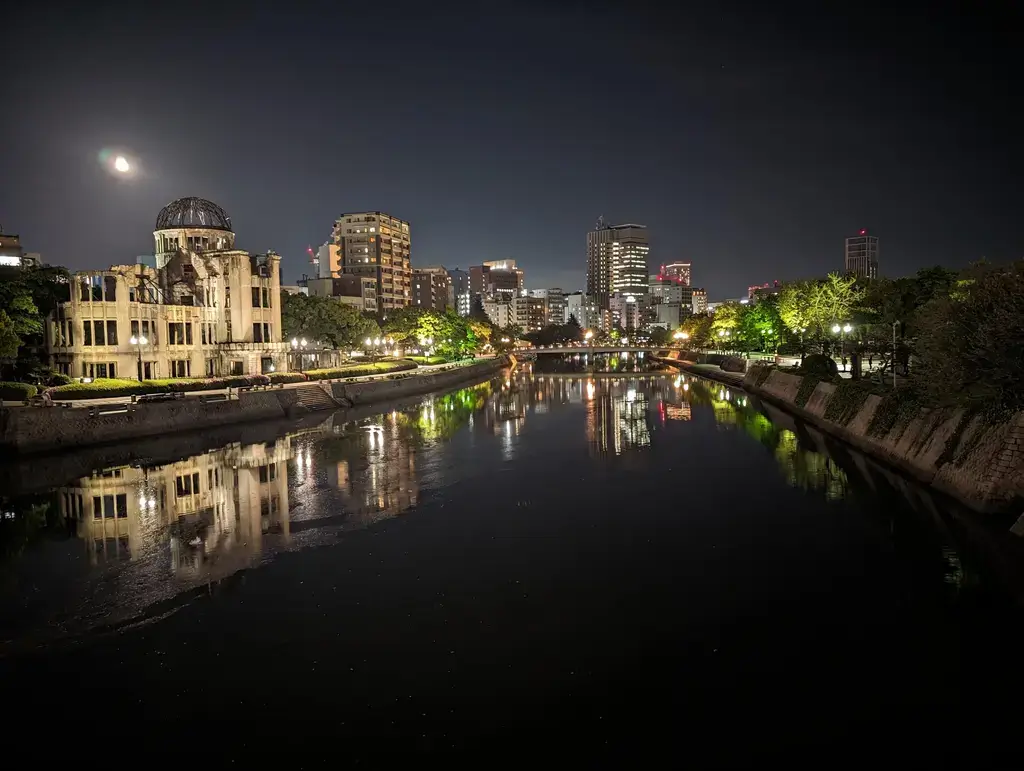
Hiroshima: History, Food, and Scenic Destinations
Hiroshima is one of Japan’s most historically important and culturally rich regions. Located along the Seto Inland Sea in western Japan, Hiroshima Prefecture is known for its history, food, and coastal scenery.
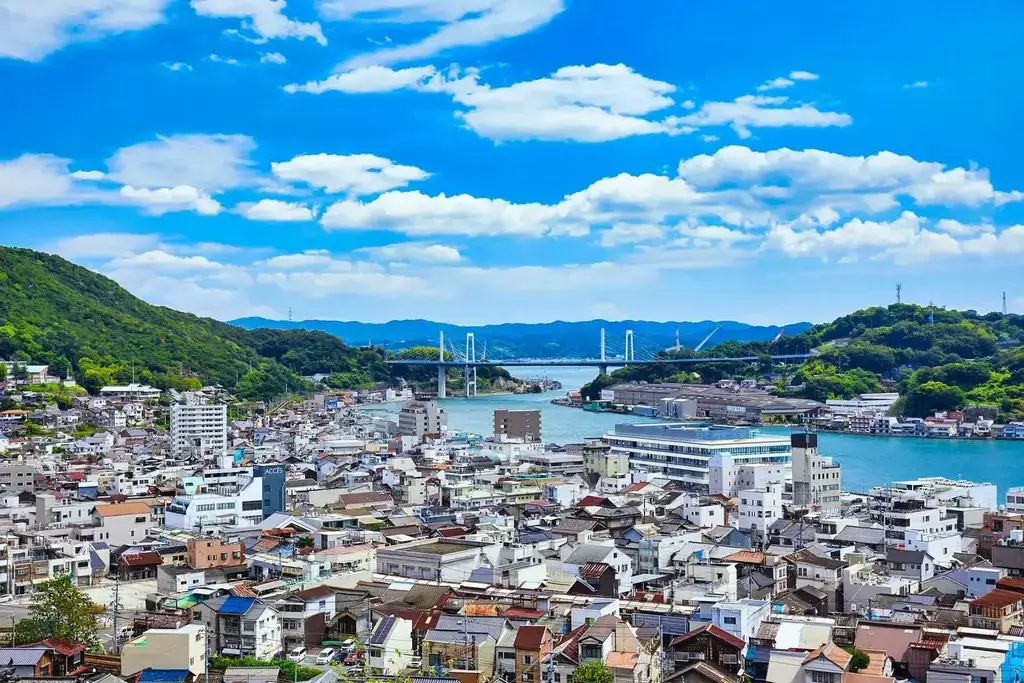
Onomichi: Hiroshima’s Historic Port City by the Seto Inland Sea
Onomichi is one of Hiroshima Prefecture’s most scenic and historic cities. Located along the Seto Inland Sea, Onomichi is known for its hillside temples, narrow streets, old shopping arcades, and waterfront views. The city has long been an important port town and remains popular with travelers seeking a quieter, more traditional side of Japan.

Japanese Bathroom Makeover Time With Rachel and Jun!
A look at Rachel and Jun’s Japanese bathroom makeover, featuring simple DIY upgrades, smart storage solutions, and practical ideas you can try at home.