


nabe
Five Nabe Restaurants You Should Know About!

Devon Lord-Moncrief

Posted on October 23, 2023
Share:
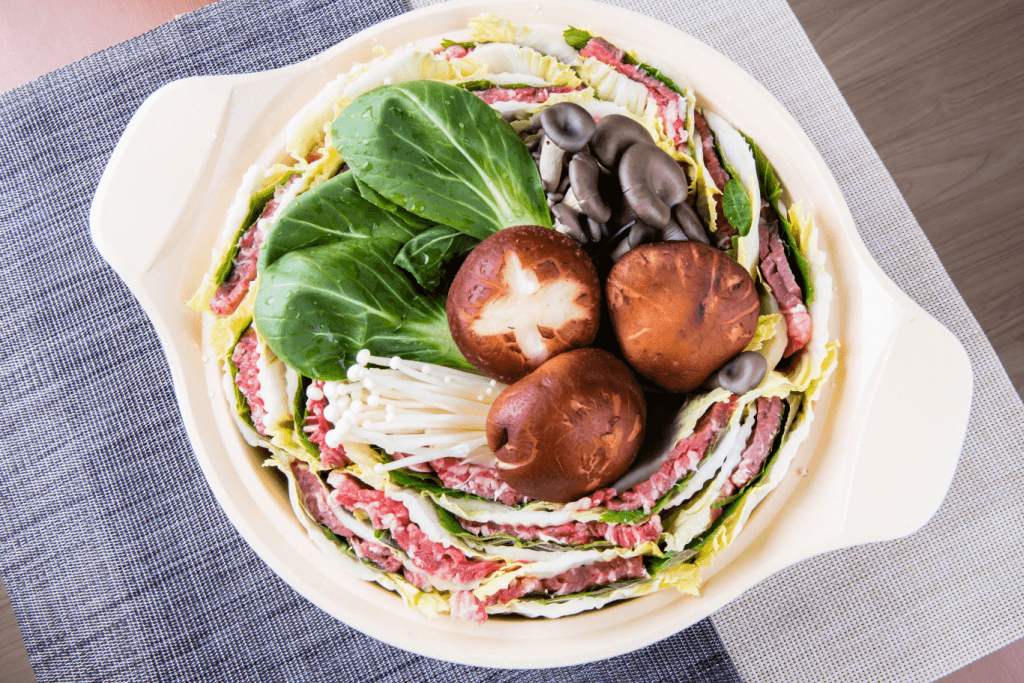
Imagine a giant pot packed with the best cuts of meat, the freshest seafood, and seasonal vegetables cooked in a rich dashi stock. Sounds good? Sure does. Nabe, or hot pot, is a traditional Japanese dish of multiple ingredients cooked together in a single pot. It can be eaten by a single person or shared with an entire group, making it a versatile and beloved dish.
Because the ingredients vary depending on the recipe, versatility is one of nabe’s greatest charms. Proteins, carbohydrates, and vegetables are all included in the dish, making it highly customizable and nutritious. There’s just the right nabe, whether you like chicken or fish, daikon or carrots. So, if you’re planning your next trip to Japan and need a great place to eat, we have you covered!
Chanko Kuroshio
Chanko nabe is the traditional dish that Japanese sumo wrestlers consume as they undergo rigorous training. It’s a fortifying dish essential for sumo wrestlers to gain the weight necessary to perform! Moreover, if you want to taste only the most authentic chanko nabe, having it prepared by a former sumo wrestler would only make sense.
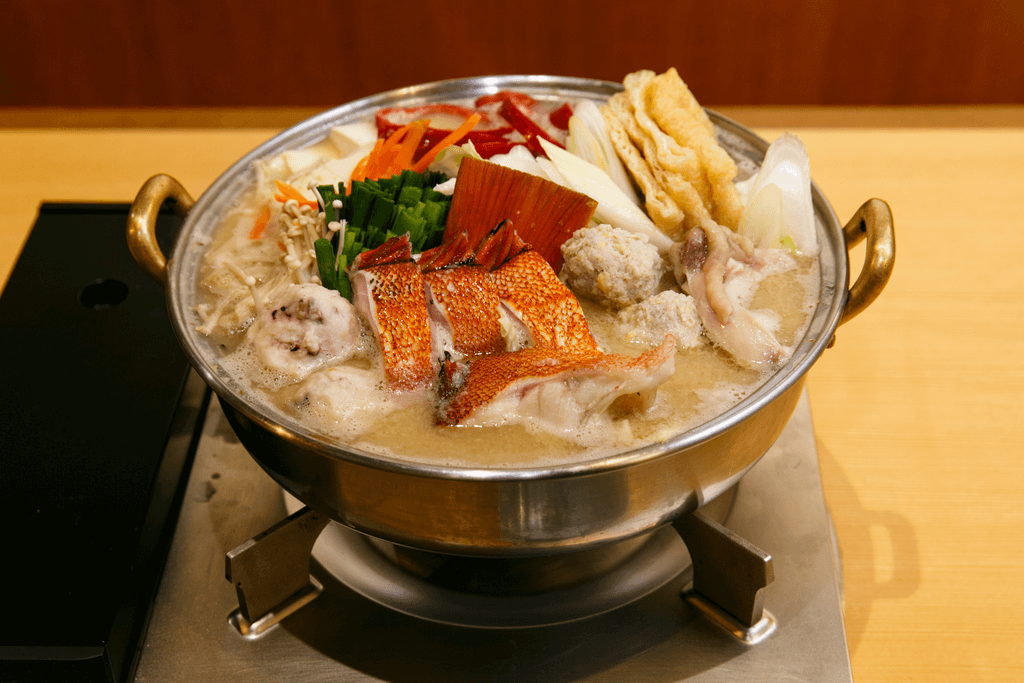
Koto Kuroshio, a retired sumo wrestler, runs Chanko Kuroshio in Kagurazaka, Tokyo. The prepared hot pot is usually brimming with chicken, meatballs, tofu, fish, and plenty of vegetables, all in a beautiful house-made dashi stock. There are plenty of places to eat good nabe, but only some that actual sumo wrestlers cook. All in all, if you want the most authentic nabe around, Chanko Kuroshio is your place.
Ningyocho Imahan
Ningyocho Imahan, located in Tokyo’s Chuo-ku, has gained global renown, and for good reason. The restaurant has been open since 1895 and has become famous for its sukiyaki and, most importantly, its dedication to serving only the finest beef. Sukiyaki is a traditional dish from the Meiji era when Japan began to open itself up to foreign culinary arts.
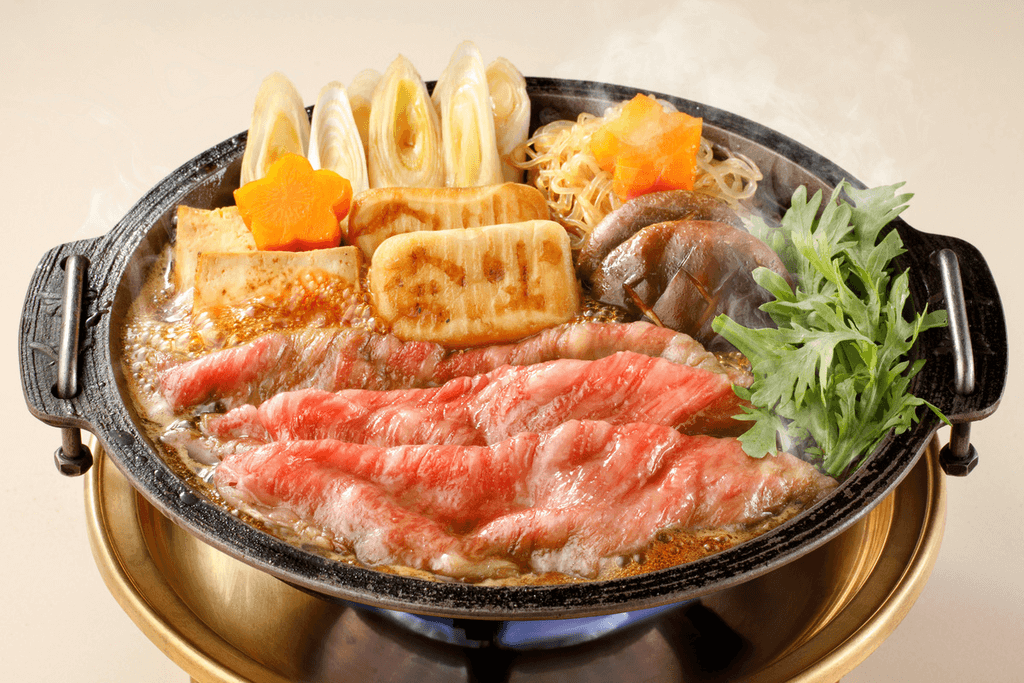
Sukiyaki is a well-loved meal in a large communal pot, making it a perfect choice for larger groups of diners to share. The chefs at Ningyocho Imahan inspect every piece of beef that enters the restaurant. They also pay special attention to how the beef was raised and even the quality of the farm it came from. It’s hard to find a restaurant that exudes such perfectionism in the food they prepare for their customers.
Negima
If a more traditional style of nabe is what you’re craving, then Negima is where you need to head next. In Kita-Ikebukuro, Otsuka, Tokyo, Negima specializes in Edo-style nabe. Moreover, they prepare market-fresh food right in front of diners, just the way it was many years ago. This nabe comes in courses, allowing diners to enjoy the experience fully.
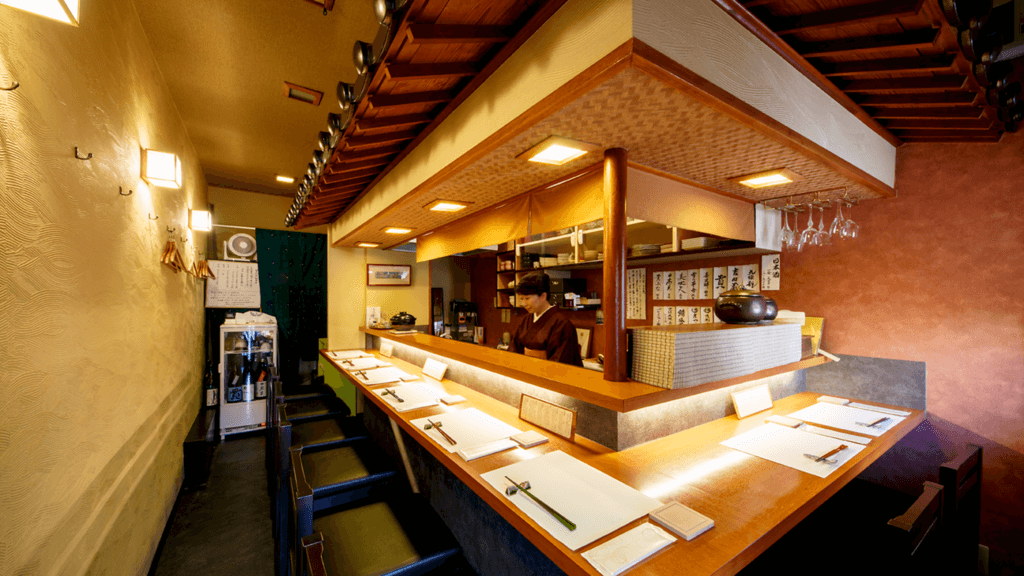
Therefore, you can taste the freshest sushi slices before the final dish arrives. Particular dishes that the restaurant is famous for are its preparations of Edo-style maguro and negi nabe. Prospective diners must be aware that Negima is a small restaurant and can only accommodate eight diners at a time, so proper planning should be made in advance.
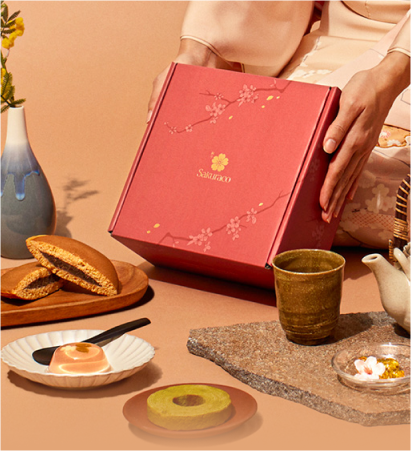
Are you looking to enjoy traditional Japanese snacks this fall? Try Sakuraco! Sakuraco delivers traditional Japanese snacks, teas, sweets, and snacks from local Japanese makers directly to your door so you can enjoy the latest treats directly from Japan!

Yamawarau
Yamawarau is in Tokyo’s Harajuku neighborhood, with other locations in Shibuya and Ginza. The restaurant is famous for its shabu-shabu, a nabe dish where diners boil meat in pots of water. Shabu-shabu translates to “swish, swish,” the sounds the meat makes as it moves through the boiling water. After cooking, enjoy it with dipping sauces like ponzu and sesame sauce.
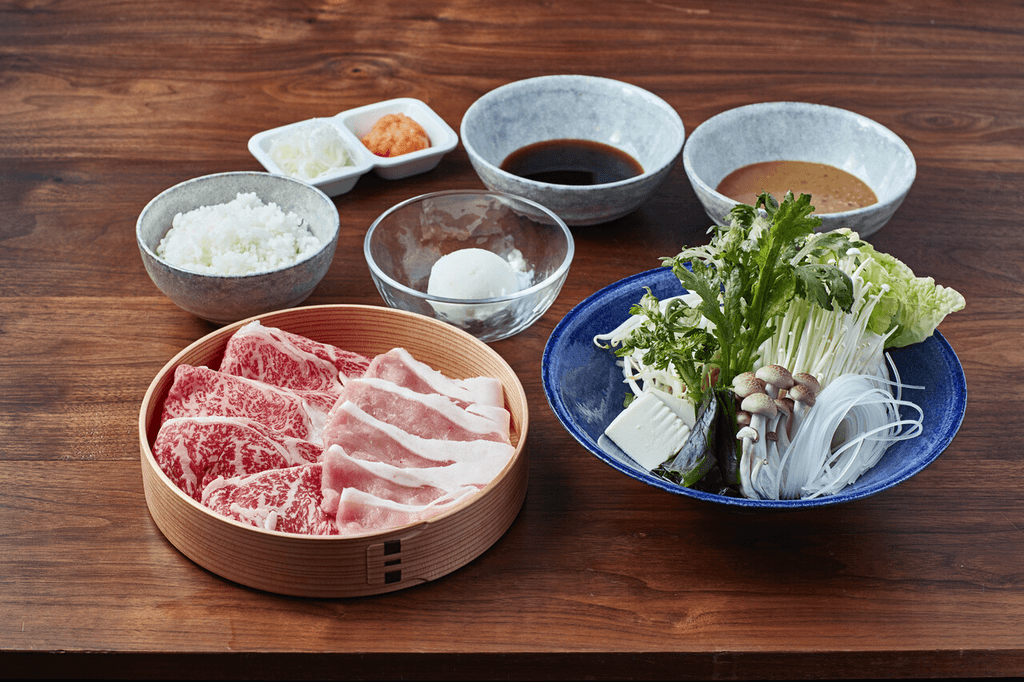
Additionally, Yamawarau offers guests stylish and refined service with only the finest prepared food. Yamawarau is as affordable as it is delicious, with many dinner dishes costing between 1400 and 3000 yen. If a fun and involving meal with friends is how you’d like to close out your evening, then Yamawarau is the place for you.
Mizutaki Genkai
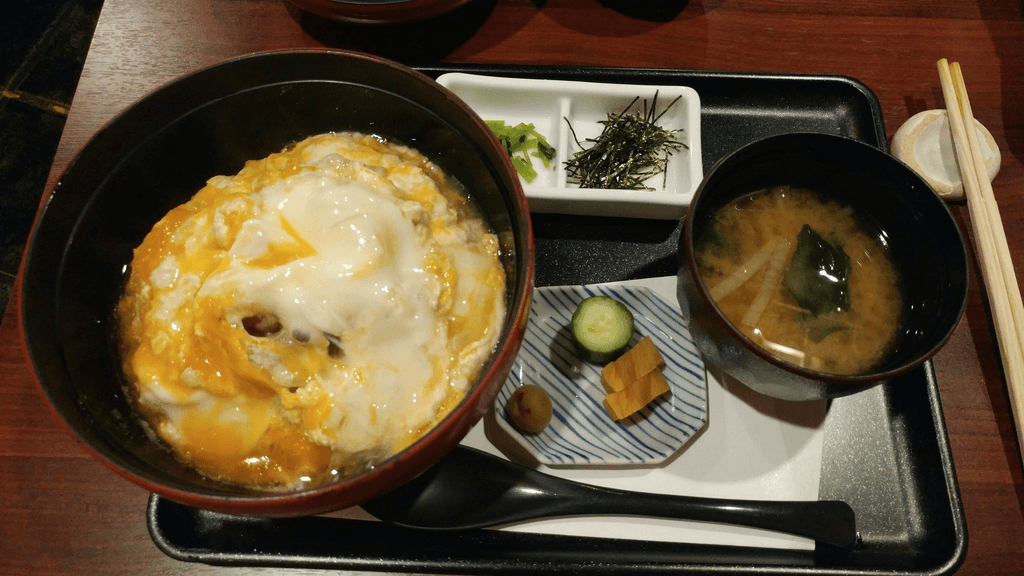
Mizutaki Genkai is a restaurant that any visitor to Shinjuku should visit. Easily one of the most prominent restaurants in Tokyo, Mizataki Genkai stands three floors high and offers nine separate dining rooms that can hold up to ten people. Since 1928, Mizutaki Genkai is known for its mizutaki, a dish of chicken that has been boiled for several hours. Chicken sashimi, oyakodon, and a fantastic array of sweets await diners. Expertly made mizutaki and ice cream? That sounds like the perfect night out.
Chanko nabe, along with the many other dishes discussed, not only constitutes a delicious meal in its own right but also represents an essential part of Japanese culture. Diners can also enjoy the finest food and a piece of living Japanese history. Did we include any of your favorites? Please let us know what places you love to eat at and what some of your favorite foods are. Maybe we’ll eat there!
Discover authentic flavors with Sakuraco
Get Sakuraco 
Discover authentic flavors with Sakuraco
Get Sakuraco
Related Articles
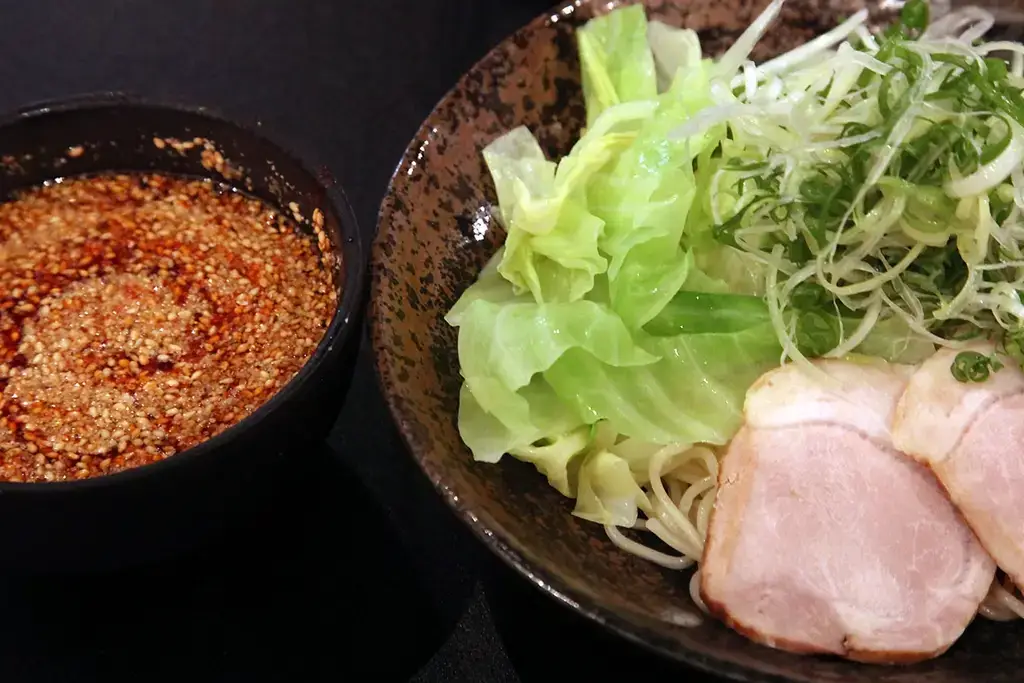
Hiroshima Tsukemen: A Spicy Take on Japanese Dipping Noodles
Tsukemen is one of Japan’s best-known noodle dishes, but Hiroshima offers its own distinctive version that differs sharply from the richer styles found in Tokyo and other parts of the country.
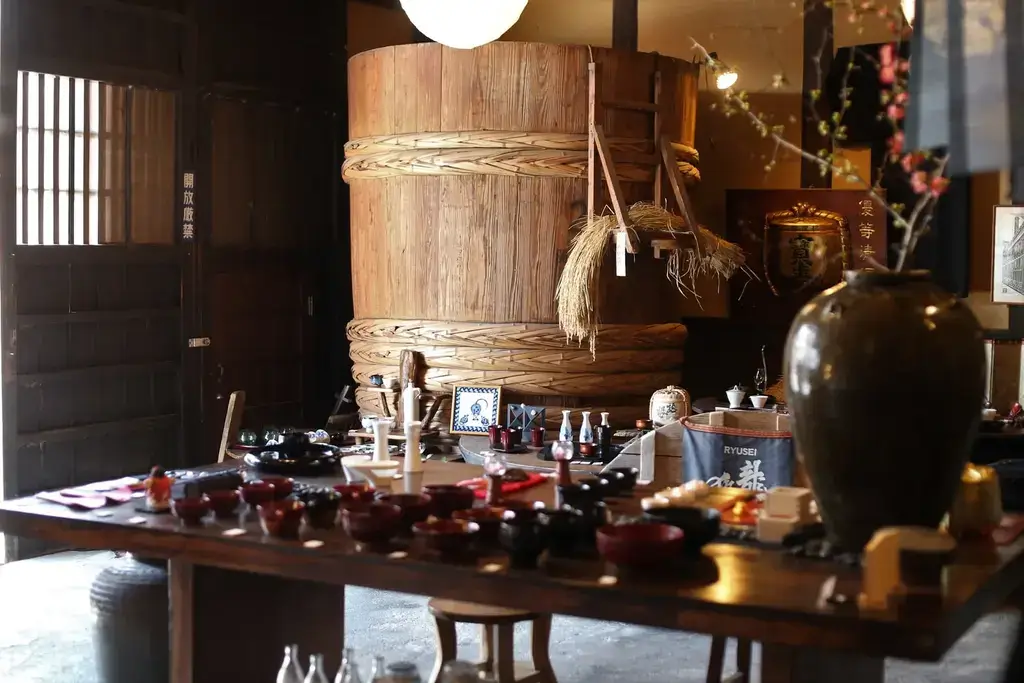
Sake from Takehara City: A History of Brewing
Takehara City in Hiroshima Prefecture is one of Japan’s historic sake towns. Located near the Seto Inland Sea, the city became wealthy during the Edo period through trade and sake brewing. Today, Takehara is still known for its traditional streets, old breweries, and connection to Hiroshima’s sake culture.

Aaron and Claire Soy-Glazed Pork Belly Recipe: A Guide!
Aaron and Claire share an easy soy-glazed pork belly rice bowl recipe that combines tender pork, a rich savory glaze, and simple ingredients for a comforting Japanese-inspired dinner at home.
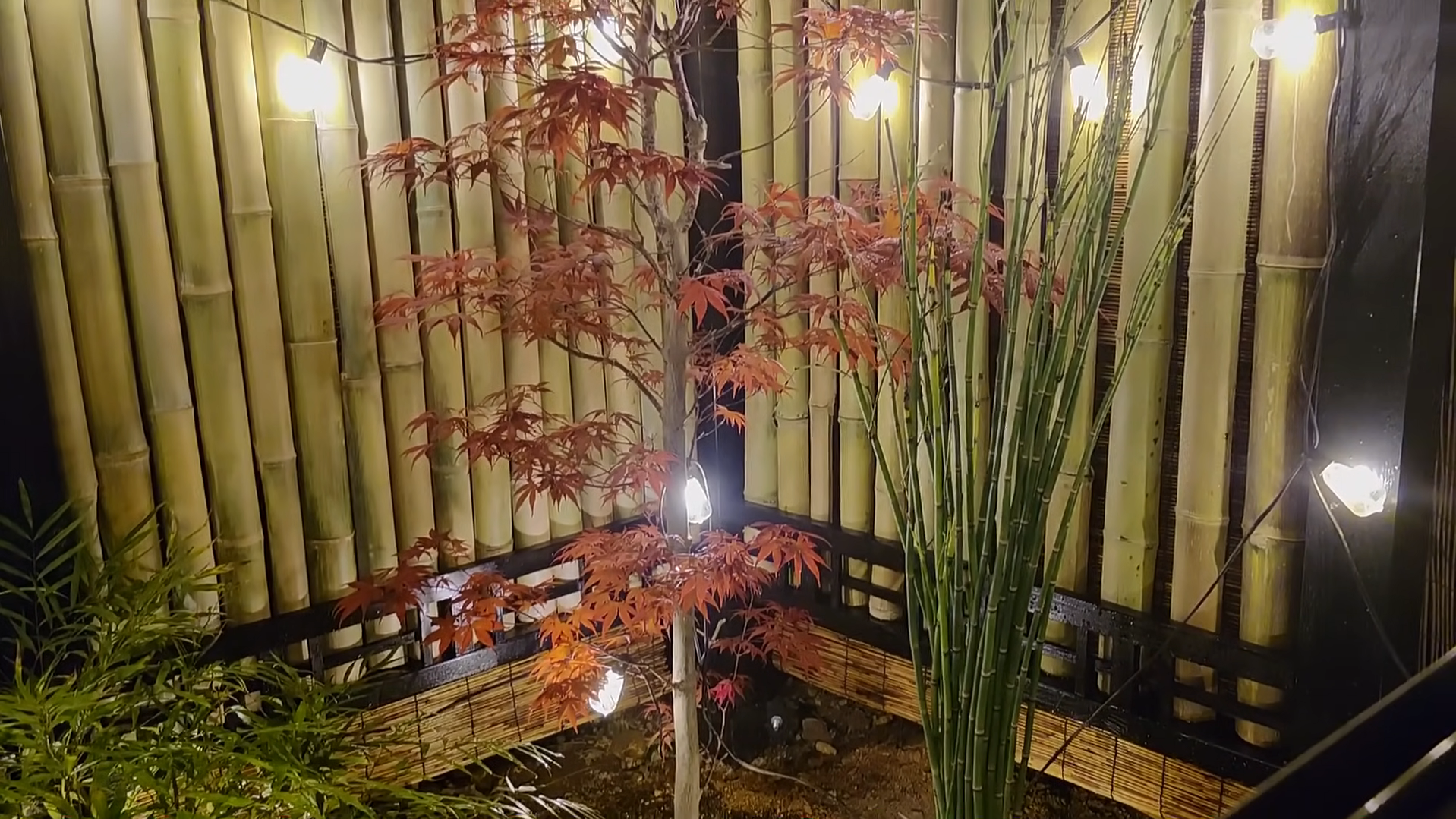
Rachel and Jun Turn Bamboo Into a Japanese Bamboo Fence
Rachel and Jun use free bamboo to build a DIY garden fence and turn their backyard into a calm and cozy Japanese-style garden.