


dorayaki, food and drink, Japanese sweets
Dorayaki: Japan’s Red Bean Pancake Guide & Recipe

Tanner Schroeder

Posted on March 05, 2021
Share:
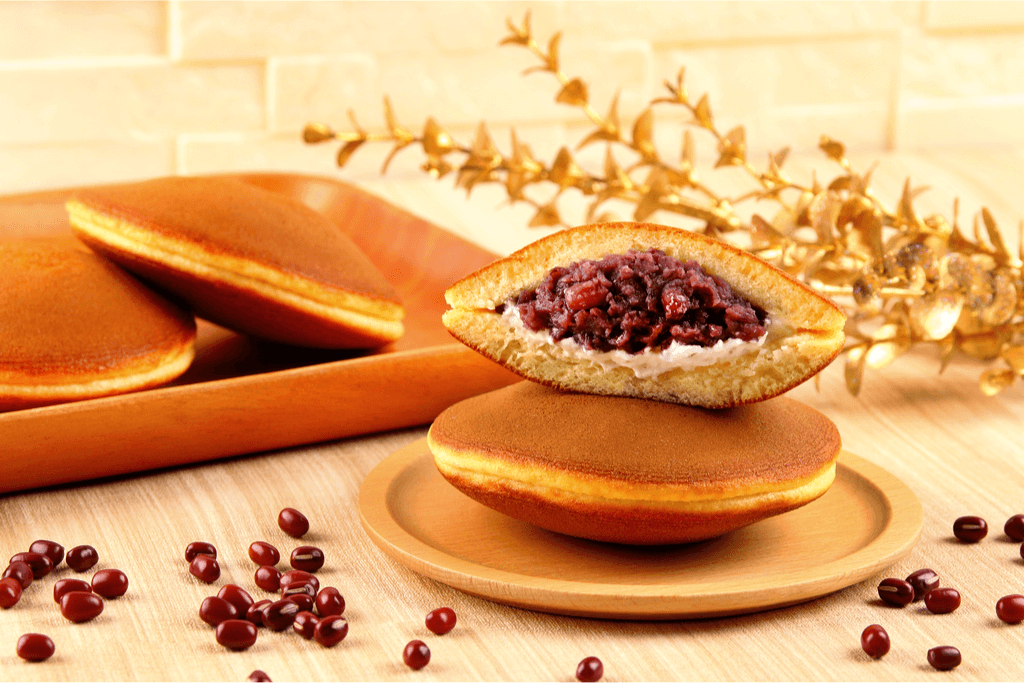
Dorayaki: The Japanese Red Bean Pancake
Japanese sweets and confections tend to have an appealing hand-held quality to them. Rather than large cakes and pastries, you often see treats that only take a few bites to devour. Famous miniature snacks such as taiyaki or mochi sweets are typical representations of this. Still, there’s one treat that’s both delicious and adorable: dorayaki!
What is Dorayaki?
Dorayaki is a Japanese confection of two miniature pancake-like patties with sweet azuki bean paste, called anko, nestled inside. The pancakes are closer to the Portuguese castella and are much sweeter and fluffier than their American counterparts. However, that other ingredient, the anko, makes this confection a genuinely traditional Japanese treat.
Anko is made from the azuki bean, a naturally sweet red bean essential to dozens of Japanese sweets. The beans are most commonly boiled, mashed into a smooth paste, and mixed with liberal amounts of sugar. Anko red bean paste is a staple in traditional Japanese snacks such as taiyaki, manju, and parfait. When it comes to the popularity of dorayaki, the anko paste could undoubtedly be considered the star of the show.
What does Dorayaki Taste Like?
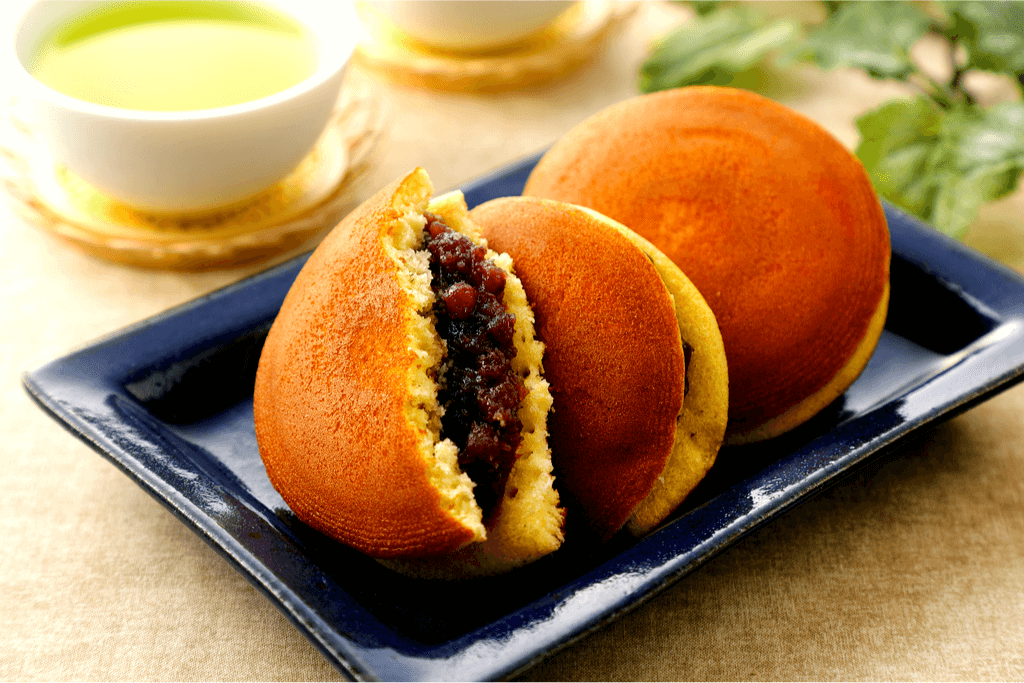
Dorayakis are soft, fluffy pancakes with a hint of bean paste on the edges. When you bite into one, your teeth swiftly cut through it. The pancake’s soft texture and sweet bean flavor blend as you chew closer to the center.
As you chew, the earthy sweet bean paste becomes more pronounced. It combines with the pancake for a gratifying and unique flavor. Dorayaki is excellent with milk, Japanese yogurt, coffee, green tea, or a matcha latte.
Looking for delicious Japanese treats like dorayaki? Check out Sakuraco! Sakuraco sends traditional Japanese snacks, teas, sweets, and kitchenware so you can taste Japanese culture in the comfort of your home!

The Dorayaki Recipe
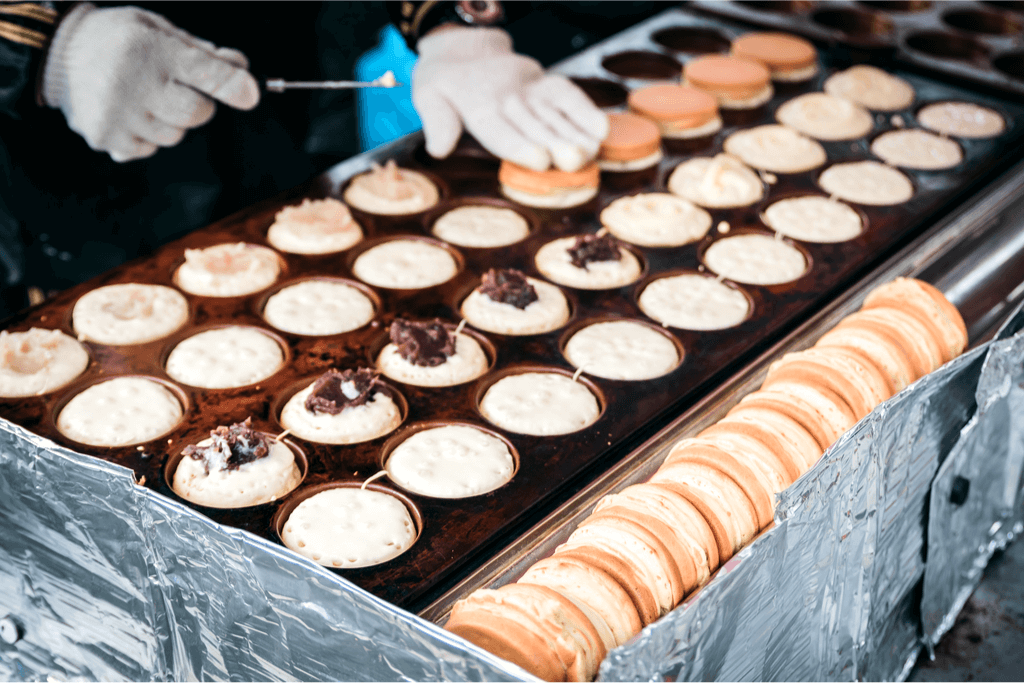
If you buy premade anko paste, you only need to cook the pancakes. Whip eggs, sugar, and honey until smooth, then gently add flour and baking powder until it resembles pancake batter. Preheating and lightly oiling a non-stick frying pan takes roughly five minutes.
To get a golden-brown pancake, wipe off the oil. Put three (3) Tbsp of cooled batter into a low-heat frying pan to make eight (8) cm (3 in) pancakes. After the pancakes, place the anko bean paste in the middle of the dorayaki for the deal tapered look. Then wrap them in plastic!
The History and Culture of Dorayaki
Japanese people enjoyed dorayaki since the first cultural contact between Japan and Portugal in the late 1500s, during the castella trade. Still, in 1914, a little Tokyo candy store called “Usagiya” invented the cakes we consume today.
The word comes from the Japanese words for “gong” (dora) and “grilled” (yaki). This is because the pancake’s bronze and circular shape, which resembles a gong, inspired the name. According to a Heian period folktale, the martial monk Benkei eats a little round cake grilled on a gong, further cementing the snack’s name.
Dorayaki is a significant part of Japanese traditional and popular culture. Every kid learns they’re Doraemon’s favorite snack and energy source. Doraemon stands for doraneko, which means “street cat.” These play-on-words encouraged the writers to add this treat to the story arc.
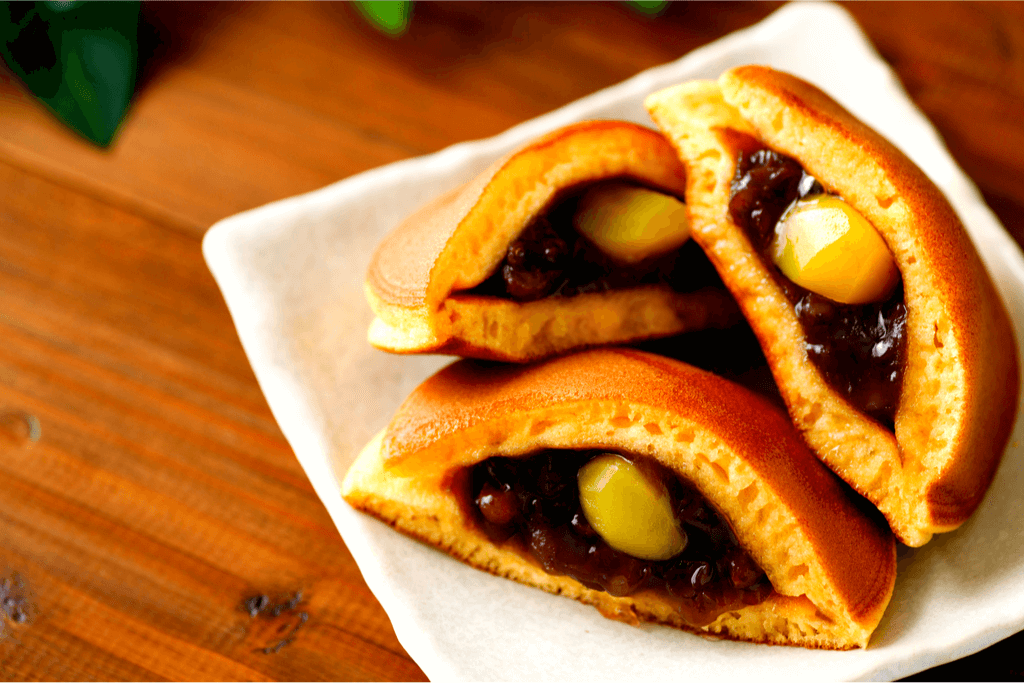
However, dorayaki comes in all shapes, sizes, and fillings beyond children’s stories. Fancy, gigantic, and all in between. Moreover, some use custard cream, chestnuts, and even matcha cream. Have you ever tried dorayaki before? Let us know in the comments below.
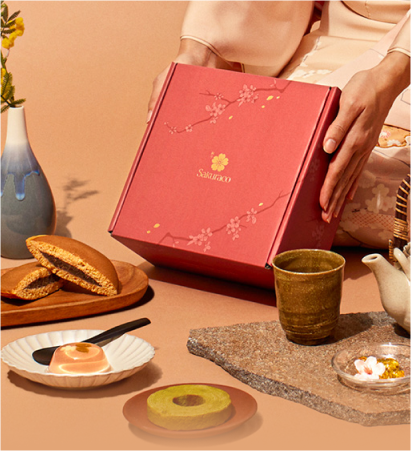
Discover authentic flavors with Sakuraco
Get Sakuraco 
2 Responses
Discover authentic flavors with Sakuraco
Get Sakuraco
Related Articles
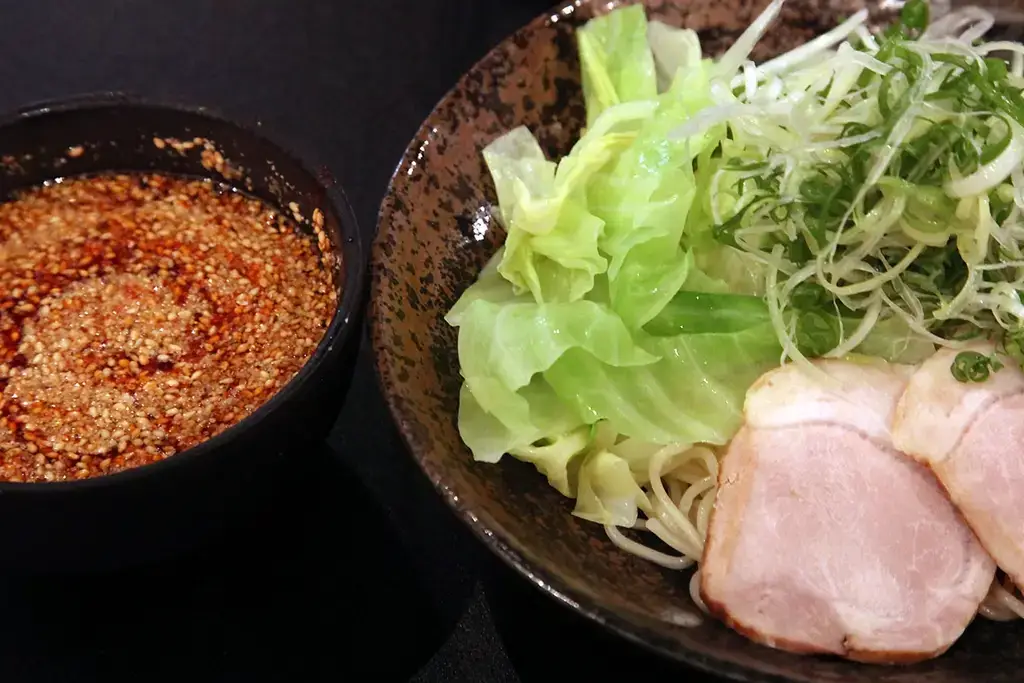
Hiroshima Tsukemen: A Spicy Take on Japanese Dipping Noodles
Tsukemen is one of Japan’s best-known noodle dishes, but Hiroshima offers its own distinctive version that differs sharply from the richer styles found in Tokyo and other parts of the country.
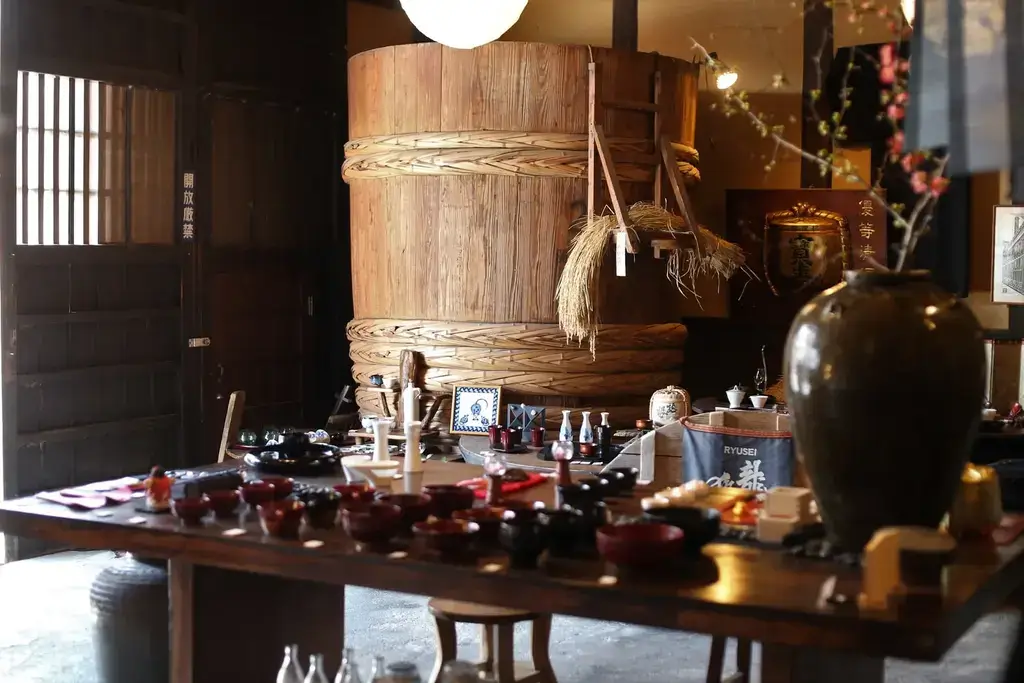
Sake from Takehara City: A History of Brewing
Takehara City in Hiroshima Prefecture is one of Japan’s historic sake towns. Located near the Seto Inland Sea, the city became wealthy during the Edo period through trade and sake brewing. Today, Takehara is still known for its traditional streets, old breweries, and connection to Hiroshima’s sake culture.
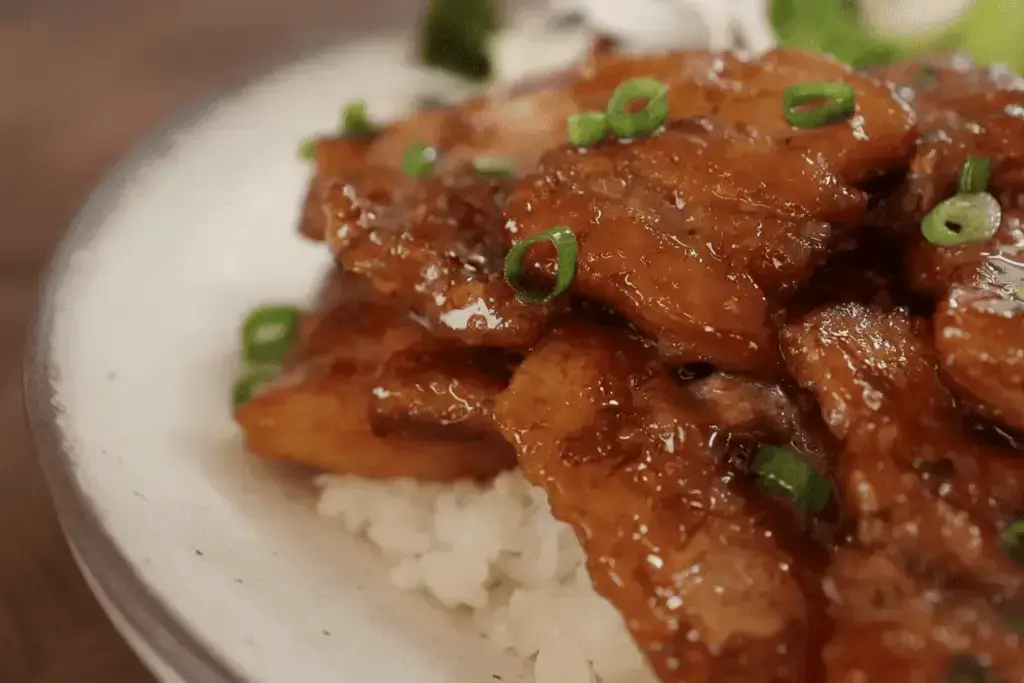
Aaron and Claire Soy-Glazed Pork Belly Recipe: A Guide!
Aaron and Claire share an easy soy-glazed pork belly rice bowl recipe that combines tender pork, a rich savory glaze, and simple ingredients for a comforting Japanese-inspired dinner at home.
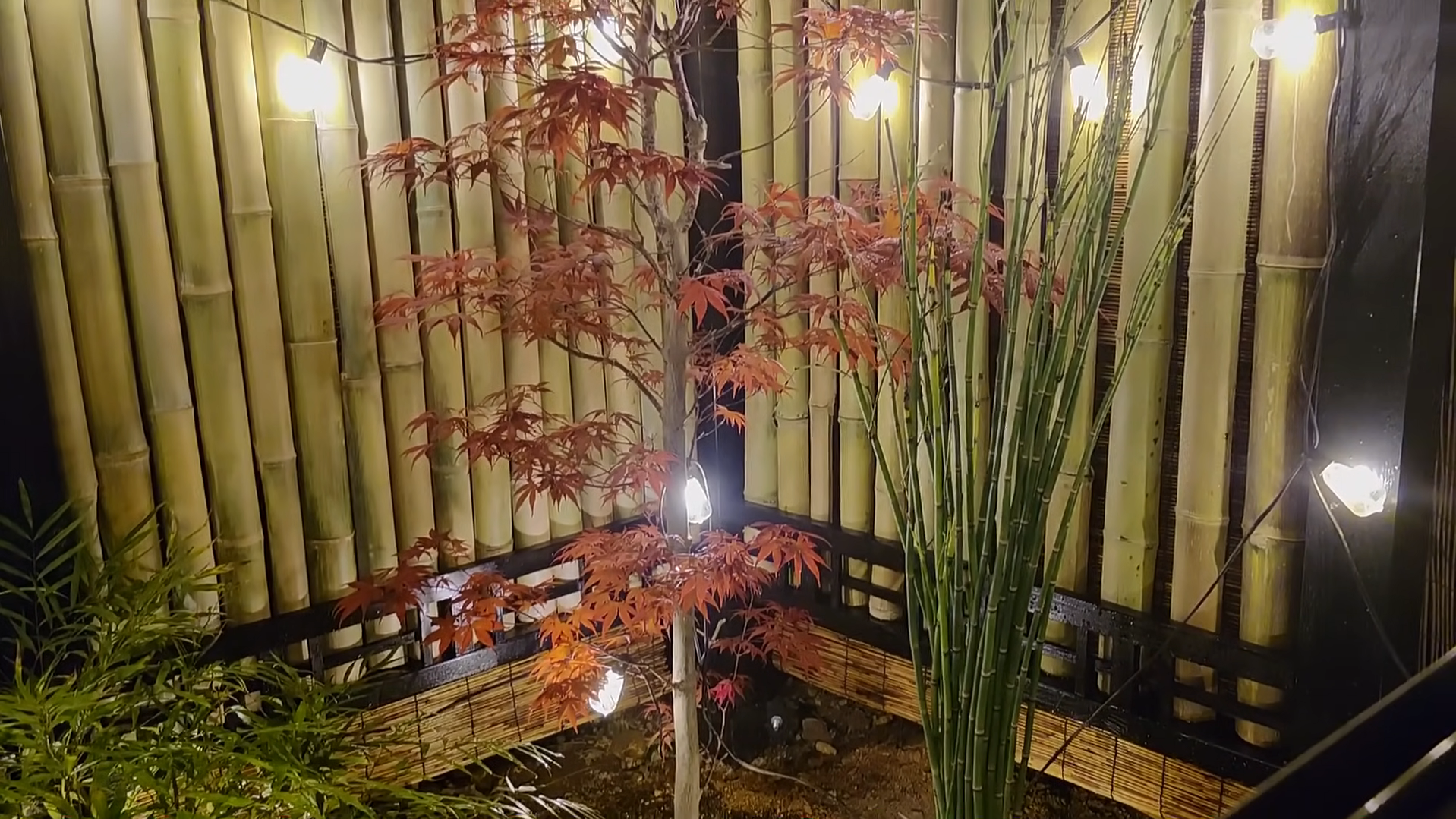
Rachel and Jun Turn Bamboo Into a Japanese Bamboo Fence
Rachel and Jun use free bamboo to build a DIY garden fence and turn their backyard into a calm and cozy Japanese-style garden.
I loved this article, thank you Tanner. I don’t know a lot of Japanese language so never knew the meanings behind Doraemon’s name. Looking forward to trying my dorayaki from my box which just arrived today. Also, the taste of red bean paste really grows on you – I say give it a chance even if it sounds unusual to you 😉
Thank you so much, Georgia!
I’m so glad to hear you’re looking forward to enjoying your Sakuraco treats, and I hope that a little background on its origins makes your dorayaki all the sweeter!