


aonori
Aonori: Japan’s Unique Green Laver Seasoning

Tokyo Terry

Posted on May 20, 2025
Share:
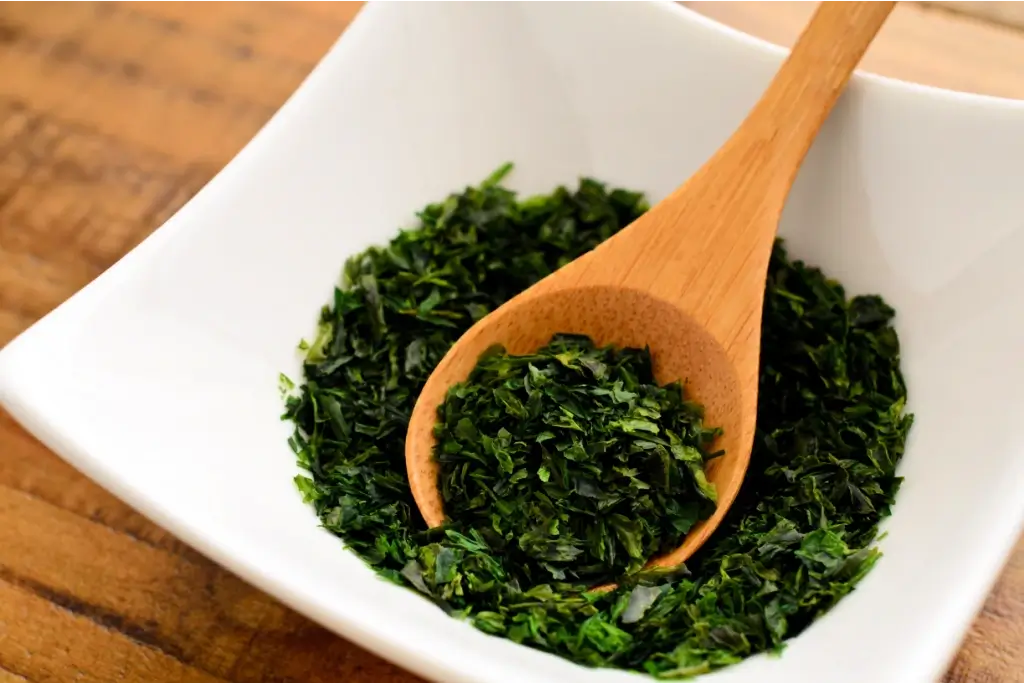
The ocean weed, aonori, may be simple in appearance, but its distinct properties set it apart from other “sea vegetables”. Unlike more bland ocean plants, its unique color, taste, smell, and texture are used to add flavor to foods. This makes it different from other seaweeds like wakame, which lack a strong flavor and aroma.
Japanese green laver has been part of the country’s cuisine for centuries, and is found in kitchens across the country. Its availability and versatility as a food have made it necessary in dishes from every Japanese region. Today, we’ll investigate aonori as both a plant and ingredient, and uncover its role in the country’s vibrant food scene.
What is aonori?
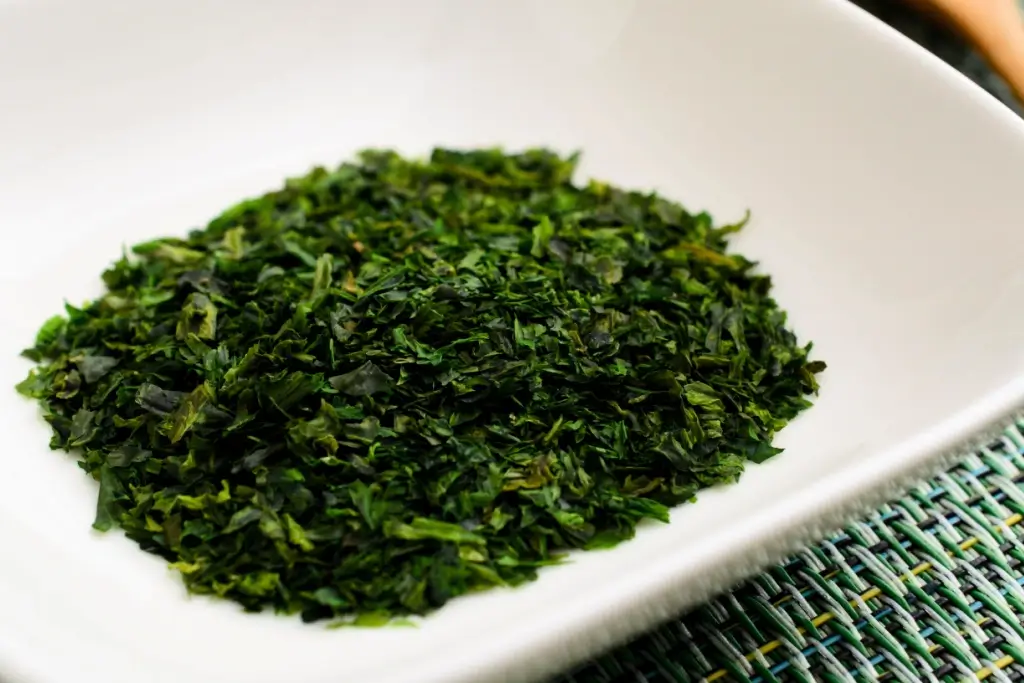
This edible seaweed is commonly called “green laver” or “sea cabbage” in English. In Japanese, the name “aonori” is a combination of the Japanese words for “blue-green” (ao) and “seaweed” (nori). This is because of its vibrant green hue. But the word refers to many seaweed types from the Ulva genus. It is often confused with nori, which is more popular because of its use in sushi preparation. But green laver has a stronger ocean aroma. Unlike thin, pressed sheets, it is also brighter in color, sold powdered or as flakes.
Aonori’s Coastal Origins
This aquatic plant is a key part of many coastal economies in Japan. It has been harvested in the country since the Edo period (1603–1868) or earlier. It thrives in Japan’s coastal waters and is cultivated off the coast in Mie and Nagoya Prefectures. The waters off Kochi Prefecture are particularly well-suited to its growth. Green laver’s flavor is very much tied to the minerals of its environment. And the pristine, mineral-rich discharge of the Shimanto River supports its growth considerably. It is harvested in spring and early summer, then handpicked to preserve its aroma.
Are you looking for great snacks that might feature aonori? Check out Sakuraco! Sakuraco delivers traditional Japanese snacks, teas, and sweets from local Japanese makers directly to your door so you can enjoy the latest treats directly from Japan!

Aonori as a Food
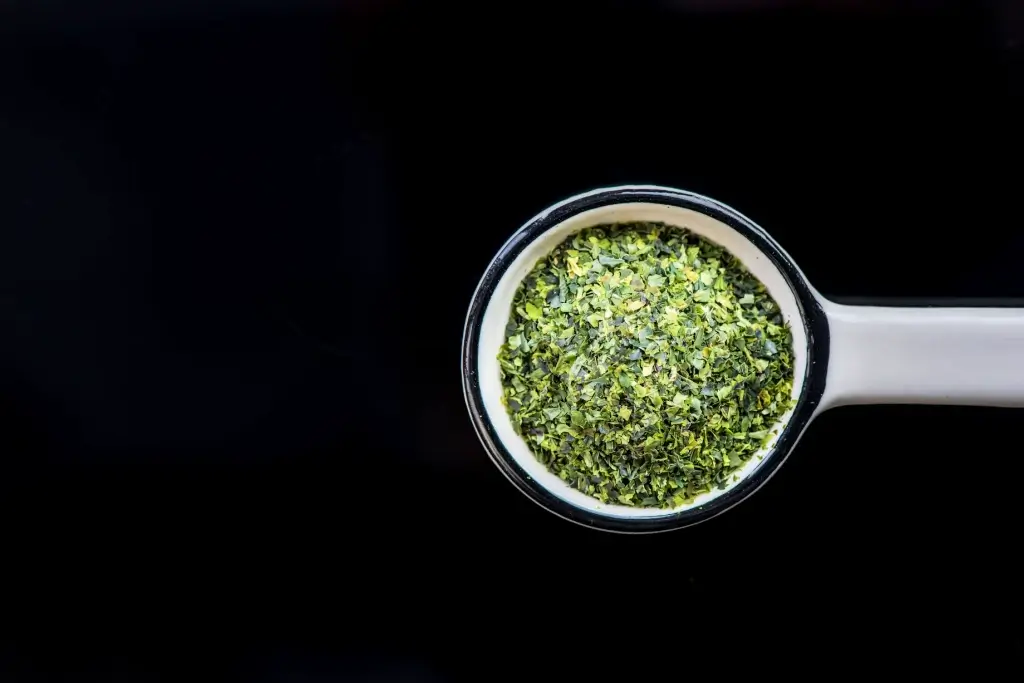
Aonori is commonly eaten in Japan and other Asian countries like Korea and China. It is dried and processed into flakes or powder, so its culinary role centers on its use as a condiment. Unlike nori, aonori’s fine texture suits garnishing. It adds an umami characteristic to dishes and heightens flavor without the need for heavy salt. Sprinkling green laver onto hot dishes releases an earthy, marine aroma (similar to matcha) that enhances any taste. Moreover, its color adds a vibrant appearance to food. It is often mixed into furikake with sesame and spices as a seasoning for rice and noodles.
Okonomiyaki
Okonomiyaki is a savory pancake made by pouring a batter containing cabbage, seafood, or pork onto a griddle. Aonori and bonito flakes are then sprinkled onto the pancake as a topping for additional flavor. This meal is eaten communally, so its flexibility has made it a Kansai family specialty since the Showa era (1926–1989).

Takoyaki
These battered, octopus-filled balls from Osaka derive their name from the Japanese words for “tako”(“octopus”) and “yaki” (“grilled”). When serving, sauce is poured over the snack, and a green laver is used to garnish the exterior. It adheres to the hot, sticky surface and adds another dimension to the taste. This crispy snack is popular with street vendors and a staple of Japan’s festival scene.

Yakisoba
Yakisoba is another ever-present festival food. Noodles are grilled with pork and cabbage, then stir-fried and covered with a soy-based sauce. The name “yakisoba” combines “yaki“(grilled) and “soba” (noodles). Some versions include seafood or eggs. Aonori as a topping adds a fresh taste to the mixture and the ocean smell that Japanese people are so fond of.
Nutritional Value of Aonori
Green laver is full of vitamins and minerals. It contains calcium, magnesium, and vitamins A, C, and B12. When added to foods, amino acids like methionine boost their health benefits, and their high fiber content aids digestion. Its low-calorie profile also suits those with health-conscious diets.
Why is aonori important in Japanese cuisine?
Green laver matters in Japan because it has been an ingredient in the nation’s recipes for centuries. It can be found in foods nationwide, regardless of the regional specialty. And its constant presence at the country’s local festivals further proves its integral part in the nation’s culture. Green laver also preserves and reinforces Japan’s ancient connection with the ocean, especially in seaside communities. As an agricultural crop, its production supports and ensures the sustainability of economies in such areas.
Moreover, its time-tested harvesting methods, which are still used today, balance tradition with modern farming techniques. Exploring aonori dishes supports its use as an ingredient and ensures its continued popularity. Its nationwide use makes it one of Japan’s understated cultural treasures. What are your favorite dishes that contain interesting seaweed? Do you have any original or unusual recipes that use it? Share your thoughts in the comments below!

Discover authentic flavors with Sakuraco
Get Sakuraco 
Discover authentic flavors with Sakuraco
Get Sakuraco
Related Articles
Hiroshima Tsukemen: A Spicy Take on Japanese Dipping Noodles
Tsukemen is one of Japan’s best-known noodle dishes, but Hiroshima offers its own distinctive version that differs sharply from the richer styles found in Tokyo and other parts of the country.
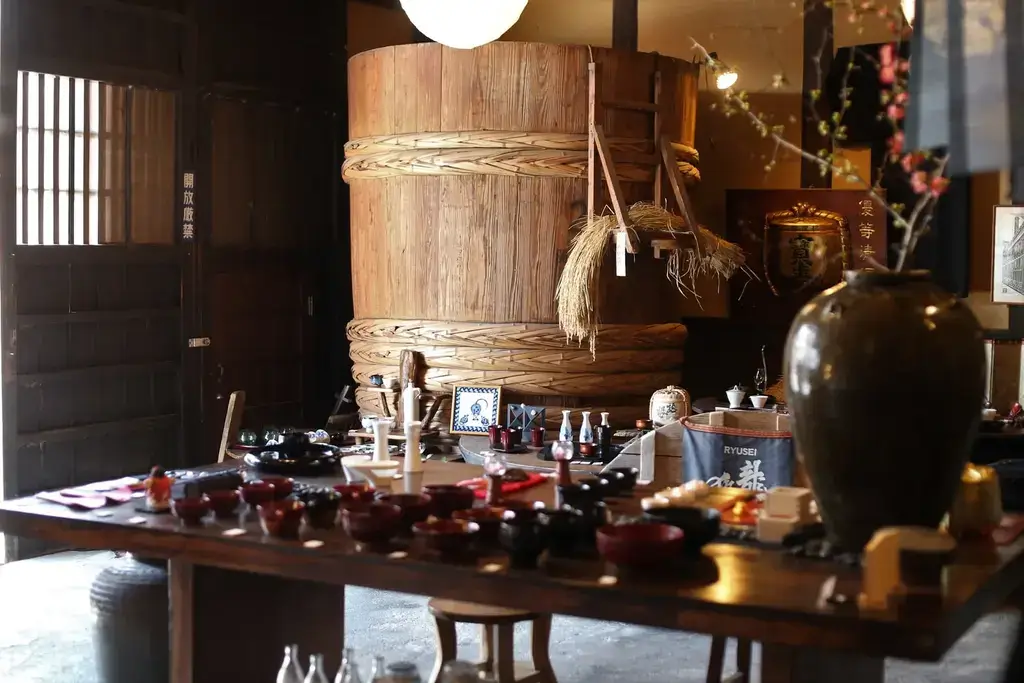
Sake from Takehara City: A History of Brewing
Takehara City in Hiroshima Prefecture is one of Japan’s historic sake towns. Located near the Seto Inland Sea, the city became wealthy during the Edo period through trade and sake brewing. Today, Takehara is still known for its traditional streets, old breweries, and connection to Hiroshima’s sake culture.

Aaron and Claire Soy-Glazed Pork Belly Recipe: A Guide!
Aaron and Claire share an easy soy-glazed pork belly rice bowl recipe that combines tender pork, a rich savory glaze, and simple ingredients for a comforting Japanese-inspired dinner at home.
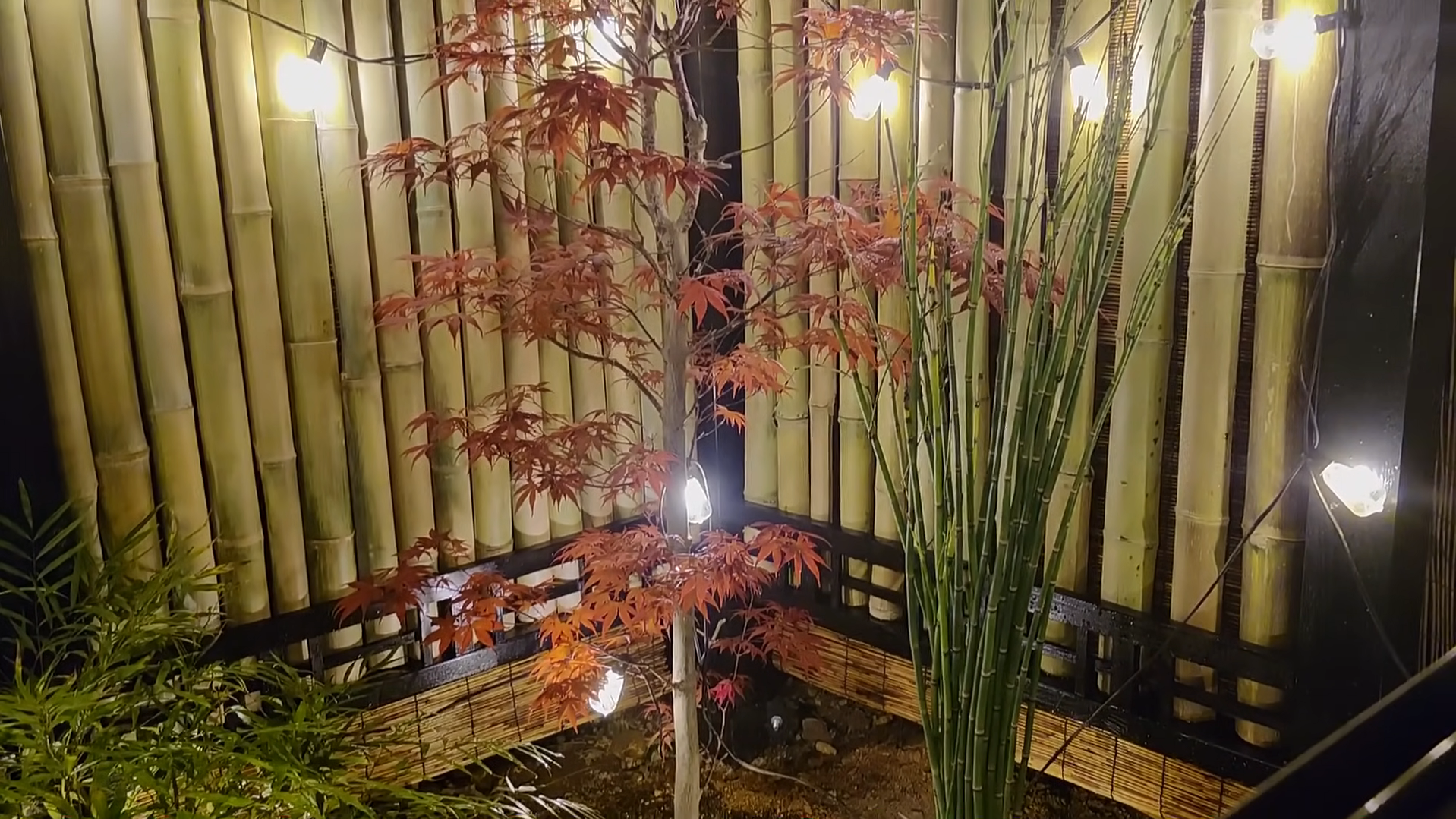
Rachel and Jun Turn Bamboo Into a Japanese Bamboo Fence
Rachel and Jun use free bamboo to build a DIY garden fence and turn their backyard into a calm and cozy Japanese-style garden.