


wakayama
Wakayama Prefecture: Best Tourist Sites to Visit

Tokyo Terry

Posted on March 25, 2026
Share:
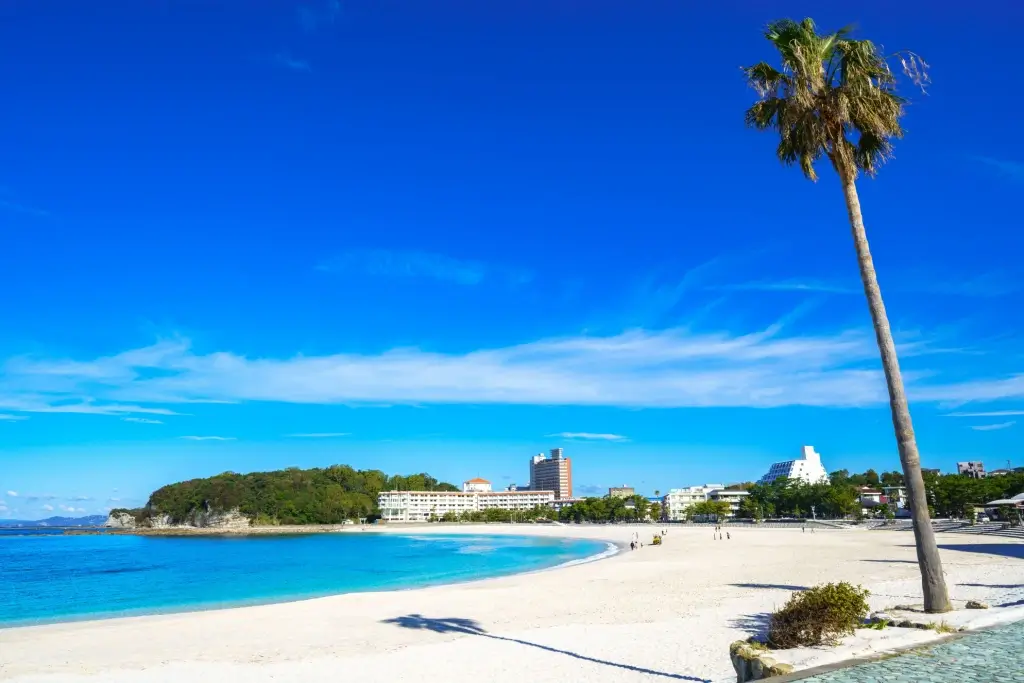
Wakayama Prefecture has long served as a pilgrimage route and a resource-gathering area in Japan. This still holds true today. Its mountains, coastlines, and sacred grounds still draw people to the area for the same reasons. But today, it also supports modern tourism alongside its traditional fishing and spiritual communities.
This western prefecture contains a surprising number of attractions, including UNESCO sites, one-of-a-kind overnight accommodation, and one of the best fish markets in the country. Today, we will learn about travel in Wakayama Prefecture, focusing on five locations that showcase its mix of natural features, historical significance, and everyday attractions.
Nachi Waterfall
Nachi Waterfall, located in Nachikatsuura town, southern Wakayama Prefecture, is one of Japan’s single-drop falls. Roughly one ton of water per second plunges 133 meters to the Nachi River below. The constant mist keeps the surrounding air cool and damp, even on hot days, making for great summer visits. The three-story pagoda of Seiganto-ji Temple sits nearby and offers a classic framed view of the falls that many photographers seek out.
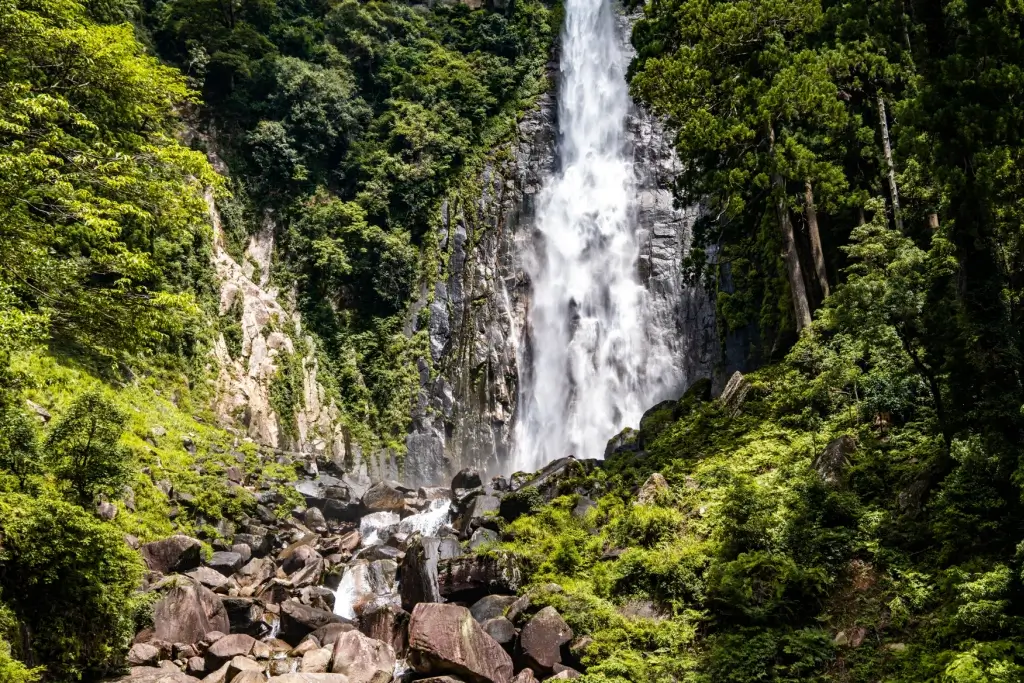
This beautiful site was inscribed on the UNESCO World Heritage status in 2004 as a Sacred Sites and Pilgrimage Route. A bus from Nachikatsuura Station arrives in about 30 minutes, making it great for day trips from the coast. From the bus, the route to the falls follows stone trails that wind through thick cedar forests down to the observation points at the base. The observation deck charges a 300 yen entry fee, while the rest of the grounds are free.
Koya-san
Koya-san is a mountaintop temple complex located at 800 meters in the mountains of northern Wakayama Prefecture. The monk Kobo Daishi established the area in 816 as a center of Shingon Buddhism. More than 100 temples now exist within the complex, many of which are still used as monasteries. This holy site was designated a UNESCO World Heritage Site in 2004 for its role in Japan’s spiritual history.
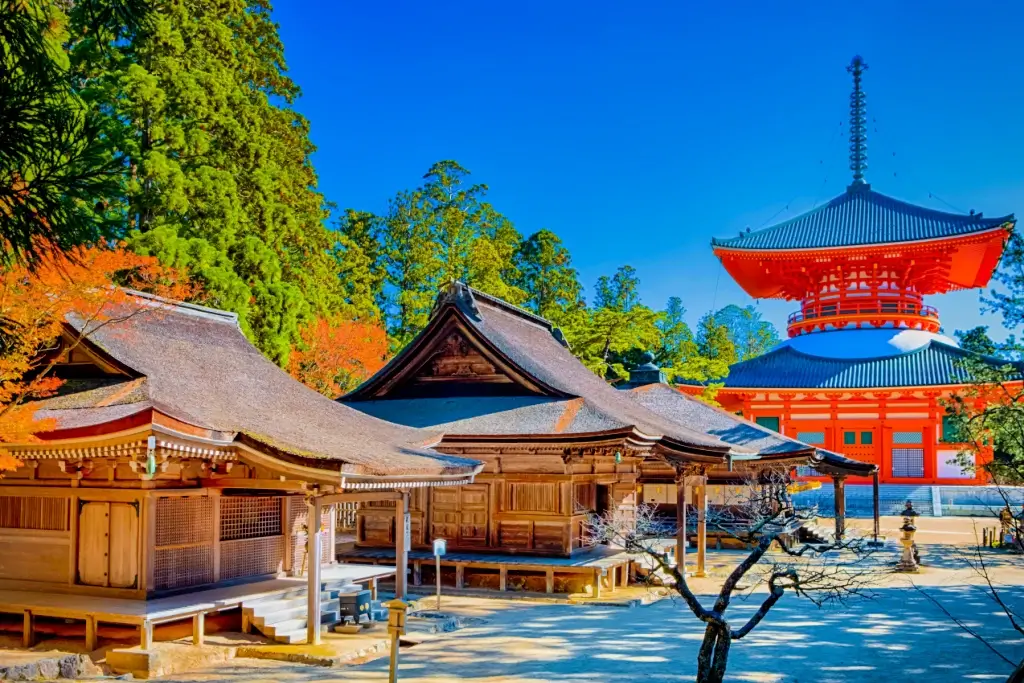
A cable car from Gokurakubashi Station lifts passengers up to Koya-san, and a short bus ride takes visitors to the central area. From there, cedar-lined walking paths connect to the impressive 25-meter-high Daimon Gate, the main entrance gate to the holy mountain. Entry to the main grounds is free, but specific sites may charge small fees for interior access. Staying overnight at Shukubo temple is one of the most popular ways to experience Koya-san.
Are you looking for great snacks to enjoy this spring? Check out Sakuraco! Sakuraco delivers traditional Japanese snacks, sweets, teas, and more from local Japanese makers right to your door!

Kuroshio Market
Marina City is an artificial island connected to the city of Wakayama on the mainland by the 200-meter Sunsui-kyo Bridge. Kuroshio Market opened on the island in 1993 as a dedicated space for the sale and dining of fresh seafood. It was named after the warm Kuroshio Current that flows along Wakayama’s coast, and supports the rich marine life that supplies this unique seafood specialty area.
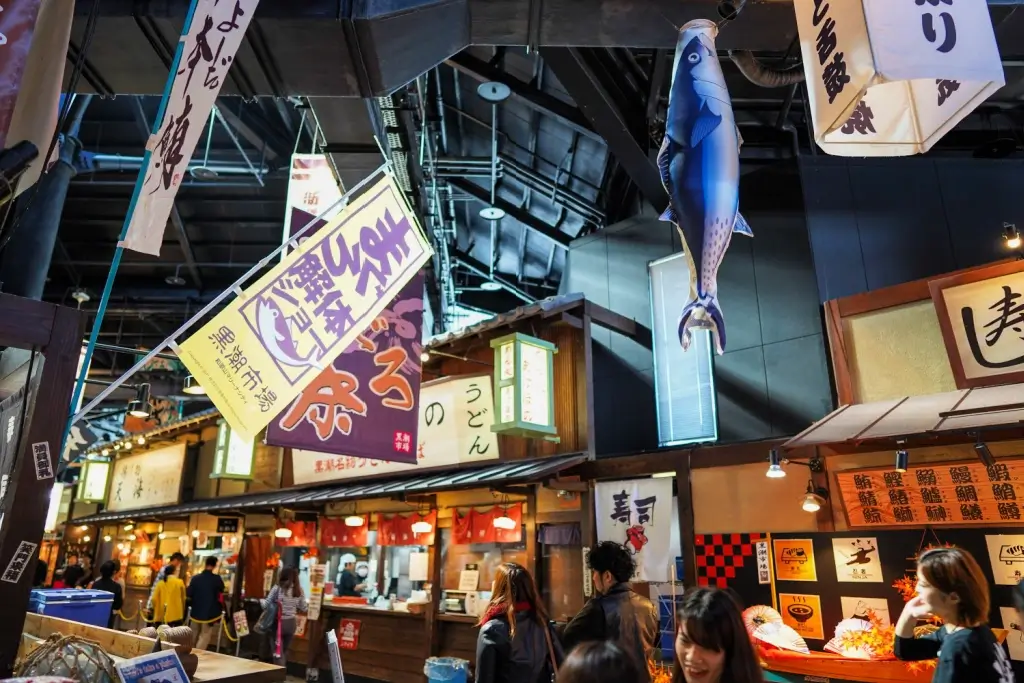
At Kuroshio Market, vendors display their wide range of fresh catches, from tuna and mackerel to shellfish. Open barbecue areas allow customers to cook their purchases on-site. Ready-to-eat options are also available, such as sashimi plates and grilled fish. The market also runs daily tuna-cutting shows three times a day. The entire market remains free to enter, and the shows carry no extra charge. A bus from JR Wakayama Station takes about 25 minutes and stops directly at the island entrance.
Tomogashima Islands
Tomogashima consists of four small islands: Okinoshima, Shikama, Kamitsushima, and Maeshima. The islands are located in the Seto Inland Sea, off the western coast of mainland Wakayama. During the Meiji Period (1868 to 1912), these islands were home to military fortifications built to protect the approach to Osaka Bay. After World War II, the bases were abandoned, leaving behind concrete batteries, tunnels, and barracks that now serve as historical ruins.
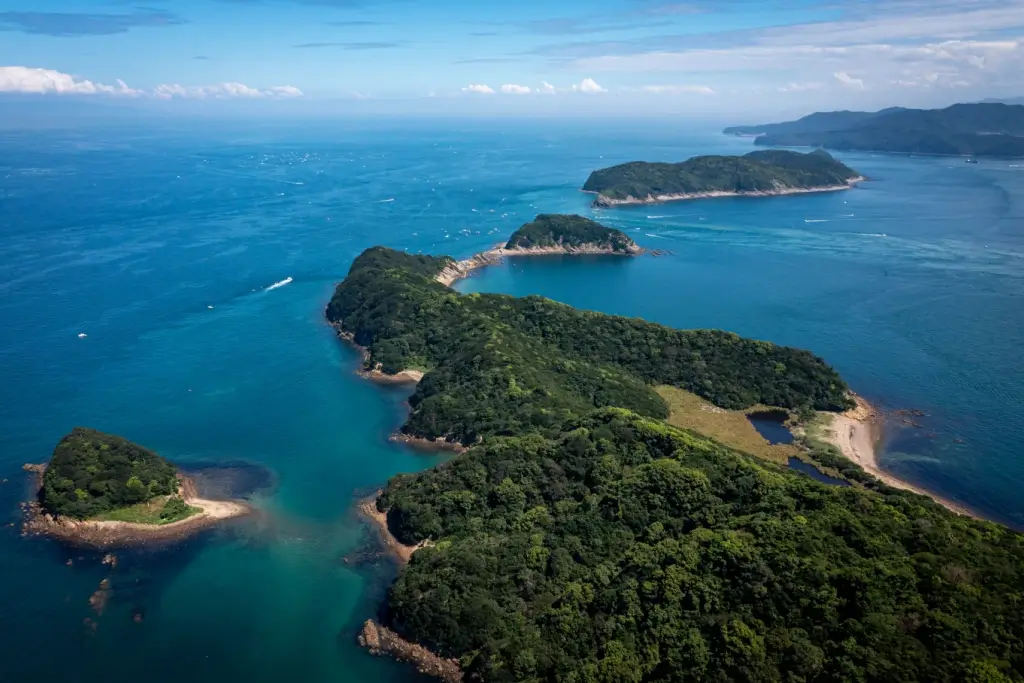
The islands form part of Seto Naikai National Park, which also protects the surrounding marine environment. Hiking through Okinoshima in particular involves following overgrown paths to reach old gun emplacements and underground passages.
From higher points on the island, clear views extend across the sea toward the mainland and distant Shikoku. Summer camping is permitted in designated areas, providing a chance to experience the islands overnight. A ferry from Kada Port on the mainland arrives in approximately 20 minutes, and round-trip tickets cost 2000 yen. Schedules vary seasonally, so checking ahead is recommended.
The Museum of Modern Art Wakayama
The Museum of Modern Art Wakayama is centrally located in Wakayama City. It opened in 1970 as the fifth modern art museum in Japan, focusing on collecting and exhibiting works by artists associated with the region. Its holdings exceed 10,000 pieces, including prints, sculptures, paintings, and crafts that span from the Meiji era to the present. The museum highlights talent from both the local region and areas outside of Walayama.
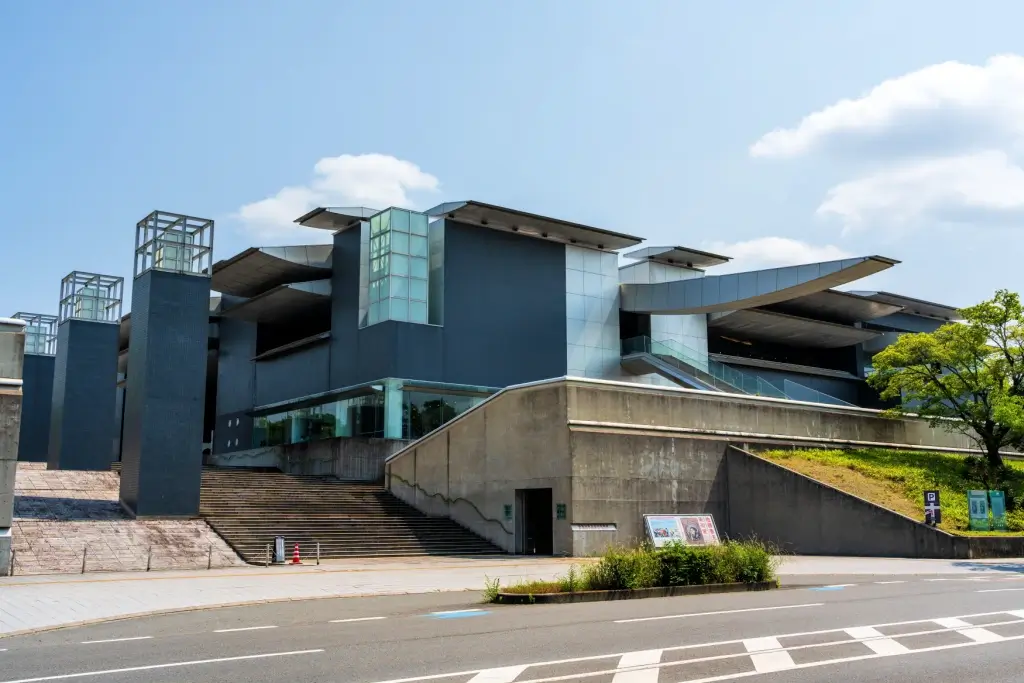
Rotating exhibitions often feature figures such as the monk-artist Enku, known for his rough-hewn wood carvings, alongside pieces that show Western influences on Japanese art during the early 20th century. Temporary shows occasionally bring international names like Picasso or contemporary installations. An outdoor garden area features large sculptures that visitors can view year-round. Adult admission is 510 yen, with discounts for students and seniors. From Wakayama Station, a short train or bus ride takes about 10 minutes to reach the museum.
Why is travel to Wakayama Prefecture worth the trip?
Travel to Wakayama Prefecture is worth it because the area offers an interesting mix of ancient spiritual paths, powerful natural features, and everyday coastal life. The prefecture’s religious centers played a major role in Japan’s spiritual history, and its coastal way of life and fishing culture have produced welcoming, down-to-earth people. This combination of history, geography, and simple local routines has resulted in a concentration of interesting attractions in a relatively small area.
Overall, this is balanced by its simple fishing port origins, creating an experience that fits various interests without feeling forced or fabricated. Have you explored Wakayama’s paths or tasted its coastal flavors? Share your favorite moments and suggestions in the comments! Let’s start a conversation about this special part of Japan.
Cited Sources
- The Official Wakayama Guide. “Main Page“.
- Japan Guide. “Wakayama Prefecture“.
- Visit Wakayama. “The Official Guide“.

Discover authentic flavors with Sakuraco
Get Sakuraco 
Discover authentic flavors with Sakuraco
Get Sakuraco
Related Articles
Japanese History Spotlight: Who Was Niijima Yae?
Niijima Yae stands among the most remarkable figures to emerge from Japan’s transition from the late Edo period to the modern Meiji era.
Traveling to Kiso Valley: Why Should You Visit?
Long ago, this quiet region was one of Japan’s main travel routes, connecting people, timber, and knowledge across the country. Today, we’ll explore five sites in Kiso Valley, each with its own story and charm.
Lavender in Japan: Places to Enjoy Purple Fields
Japan’s seasonal plants and trees bring color to the country each year. However, it may surprise you to know that some of the most popular are not native Japanese plants at all. Lavender is one such seasonal flower that blankets landscapes during the summer months.