


Hokkaido Dairy: From New Industry to Luxury Product

Jenna Wilson

Posted on November 06, 2021
Share:
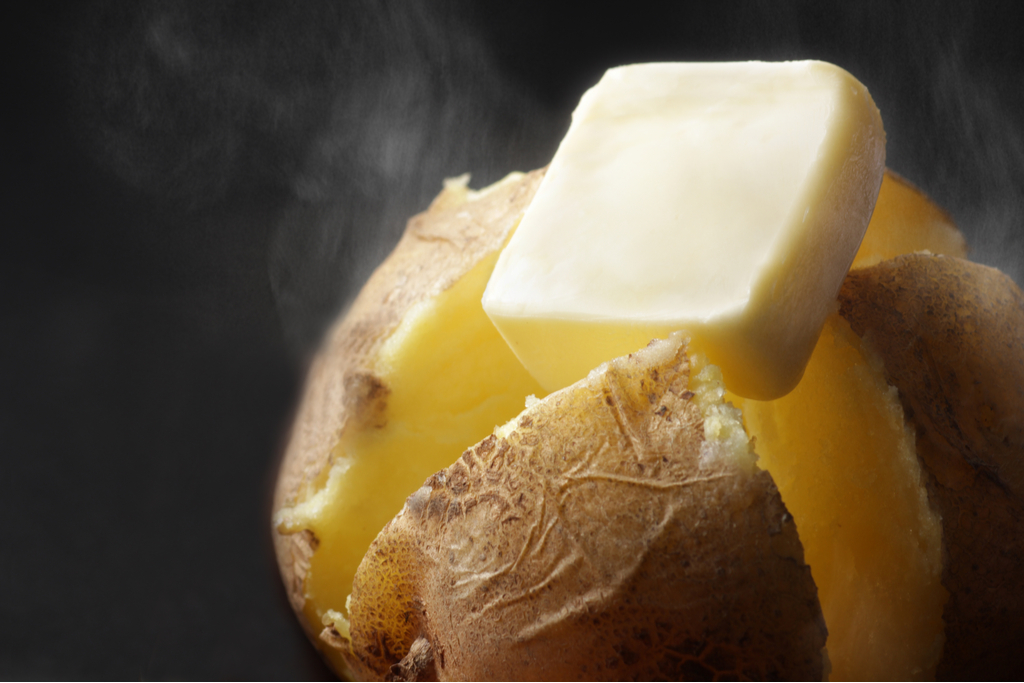
In Japan, Hokkaido is synonymous with high quality dairy and over 60% of Japanese milk, cream, and cheese is produced in the prefecture. However, before the Meiji Era (1868-1912), the culture of drinking milk, as well as eating beef, did not yet exist in Japan. Cows were only raised to plow fields, but that would soon change.
Taking Away the Taboo
For thousands of years, the Japanese diet consisted mainly of rice, fish, soy, and vegetables. Due to religious reasons, as well as the labor involved in raising animals, the population ate a mainly pescatarian diet with beef being considered especially taboo for over 12 centuries. Anyone caught eating meat would have to do penance in the form of visiting a shrine and embarking on a restrictive diet. Beef was considered the highest offense with the penance period lasting up to 150 days. However, attitudes changed in the 19th century when Emperor Meiji publicly ate meat, a sign to the population that this long-time ban was now lifted.
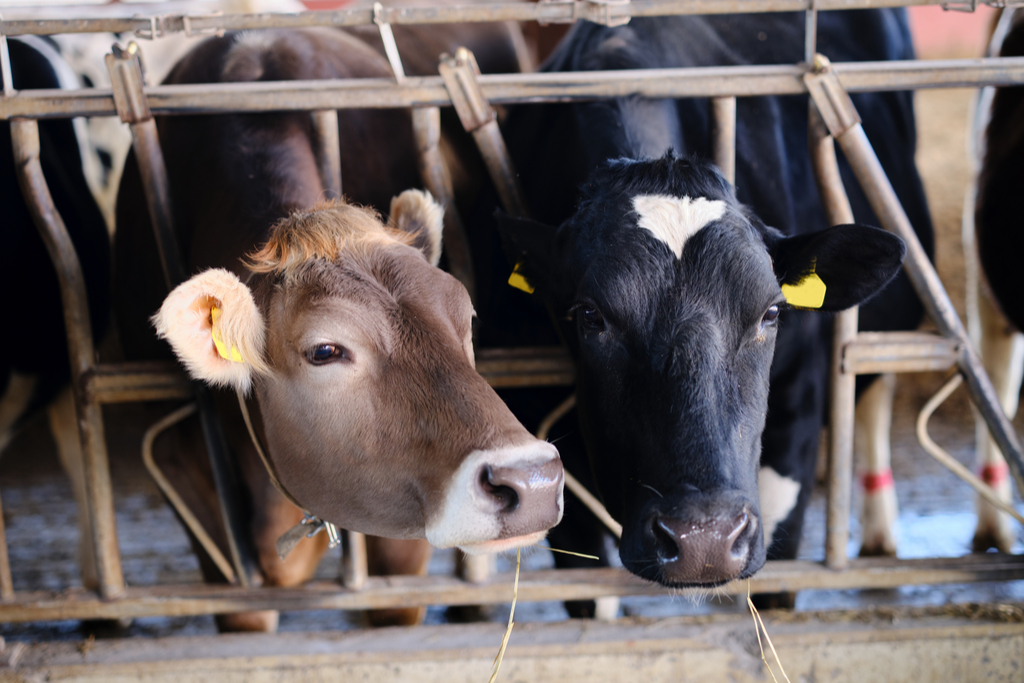
Once eating beef was permitted, the number of cattle farmers began increasing and the Japanese government started exploring a closely related industry: dairy.
The First Japanese Cheese
Japan’s first cheese was made in Hokkaido in 1875 as part of the government’s initiative towards modernization as well as the influence of newly established European trading partners. In 1876, cheese was served to the Emperor of Japan, along with milk and ice cream, while he was on a tour of the prefecture. But it would take many more decades before dairy became a staple in the Japanese diet.
Wartime Recovery
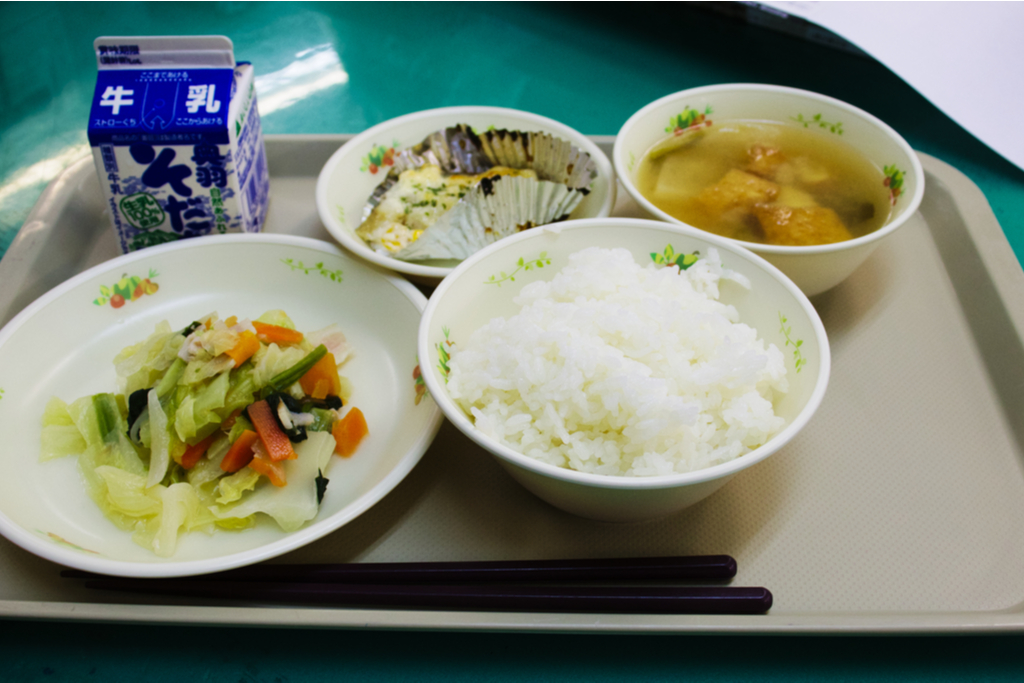
In the late 1940’s, when the country was reeling from the destruction of World War II and grave food shortages, the American occupation authorities first introduced milk to school lunches, as well as milkmen who delivered bottles to people’s doors. Slowly but surely, more dairy products began to enter the market and the ever adaptable Japanese population started creating culinary fusions of Japanese cuisine with added milk and cheese. School milk is a tradition that continues to this day and is considered an essential part of a healthy lunch, along with soup, vegetables, fish or meat, and rice or bread.
Discover Japan’s rich culture via its regional culinary traditions: Sakuraco sends traditional sweets & snacks from across Japan to your door.
Hokkaido Dairy Reputation
Despite the ever increasing number of dairy farms across Japan, Hokkaido milk, in particular the homogenized 3.6% variety, still maintains a reputation for delicious flavor and excellent quality. The milk from this region has a rich flavor with a slight vanilla-like sweetness that appeals especially to the Japanese palette. But why is this?
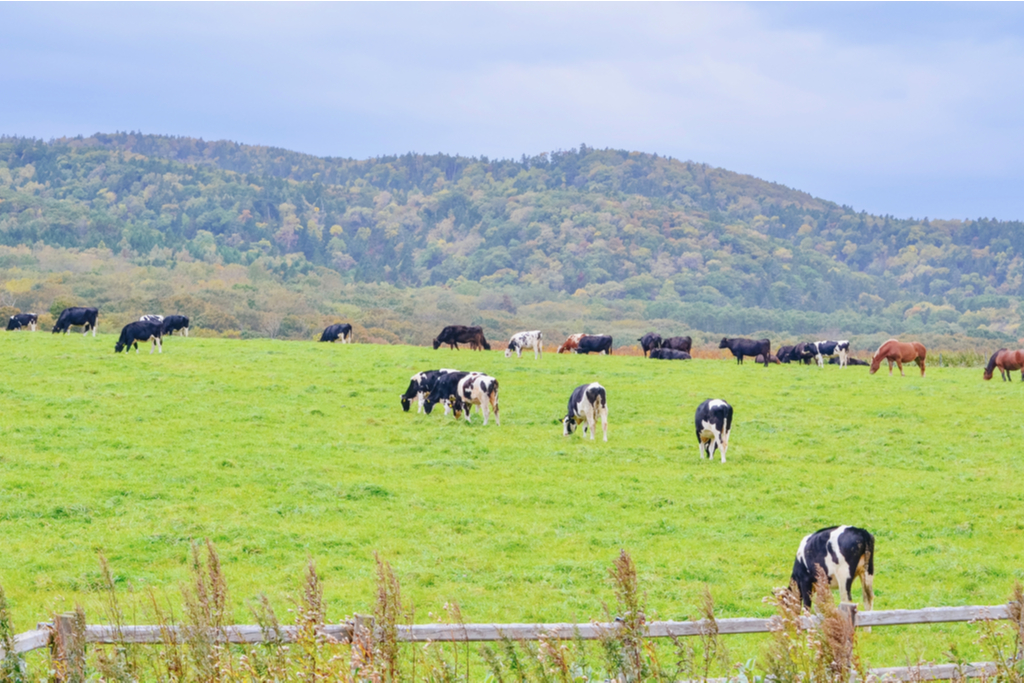
It is believed that the secret behind Hokkaido’s incredible dairy is simply a matter of environment. The colder climate combined with the wide open pastures due to the availability of land (Hokkaido is the least developed region in Japan) is linked to a higher quality of life for the dairy cows, and therefore, a better quality product.
Hokkaido Dairy Products
While the region is continually coming up with new culinary creations using their infamous dairy products, there are a few staples that are a must-try should you ever visit the prefecture.
Soft Serve Ice Cream
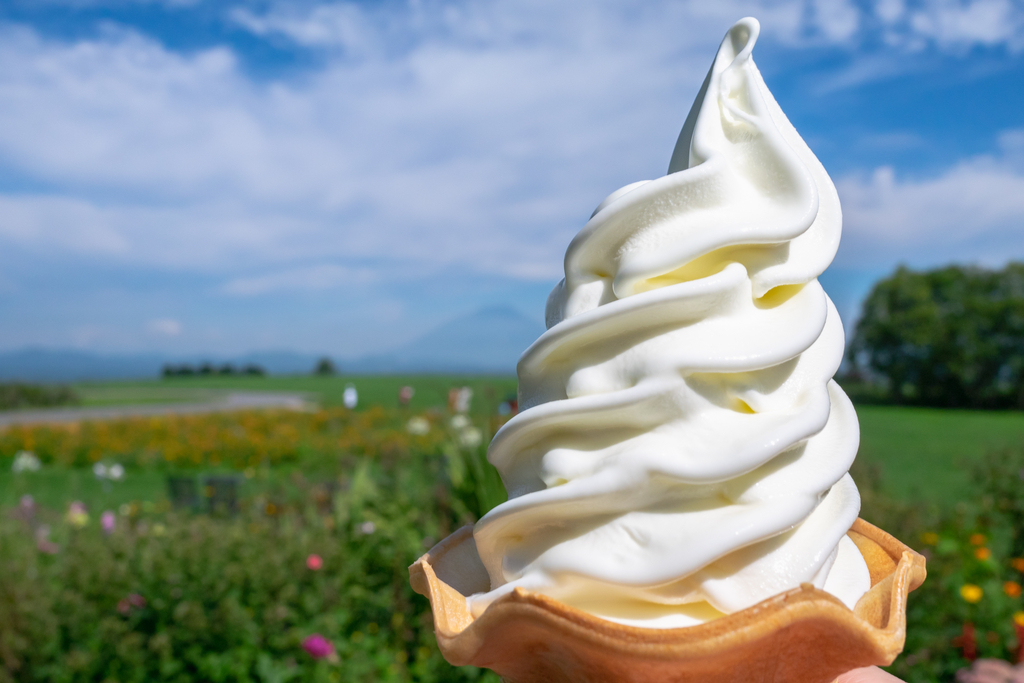
The city of Hakodate in particular is famous for the soft serve ice cream with an entire street dedicated to the treat. What makes the Hokkaido variety especially popular is the smooth texture due to the high fat content, as well as the wide variety of flavors, including lavender, melon, and even squid ink.
Butter Ramen
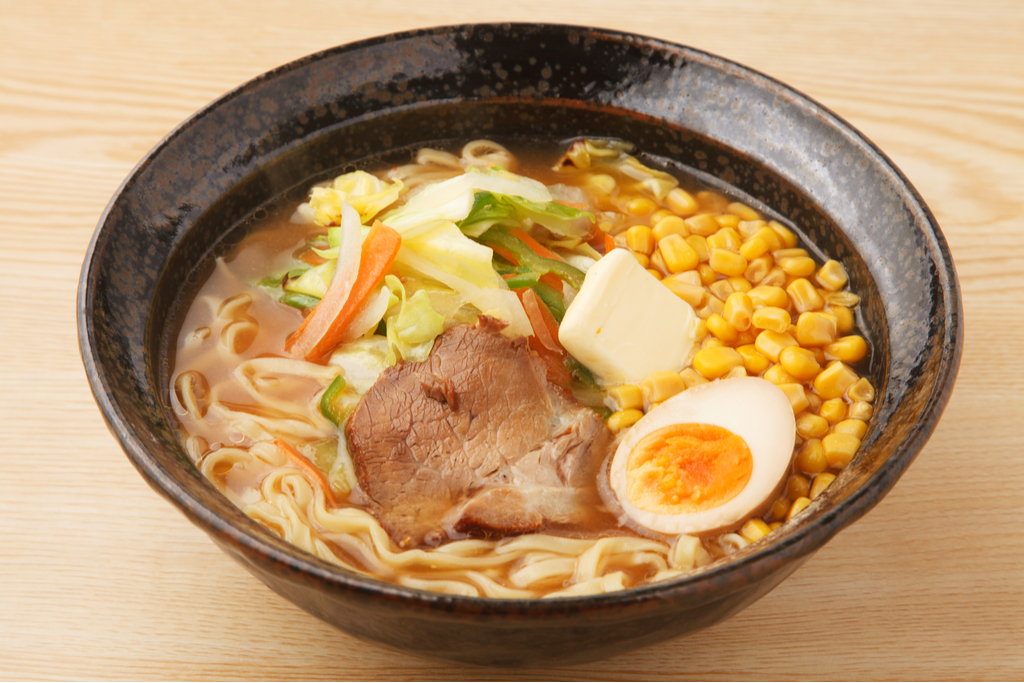
While every prefecture in Japan has their own version of ramen, Hokkaido is instantly recognizable with a curious topping for first-timers: butter. The ramen, known as kita no megumi, which means “blessings from the north”, is the perfect way to warm up on a cold winter’s day. And given the prefecture has cold temperatures for close to half of the year, it’s easy to see why this rich addition quickly took off.
Have you ever tried Hokkaido dairy products? What did you think? Let us know in the comments below.
Discover authentic flavors with Sakuraco
Get Sakuraco 
Discover authentic flavors with Sakuraco
Get Sakuraco
Related Articles
Sakuraco March 2023 Reviewer Contest Winners Announced
Thank you to everyone who has submitted the review! Hi Sakuraco family! Get ready to jump for joy because we’ve got some incredible news to share with you! As the summer season approached, we were blown away by the sheer number of fantastic entries we received for our latest contest. We had a tough time…
Sakuraco November 2022 Reviewer Contest Winners Announced
Thank you to everyone who has submitted the review! Hi Sakuraco family! Winter is really setting in at this point! How have you been greeting November thus far? I pray the holidays found you surrounded by loved ones. We’re revealing the November 2022 reviewer winners right now, please check it out! Congratulations to all the…
Sakuraco October 2022 Reviewer Contest Winners Announced
Thank you to everyone who has submitted the review! Hi Sakuraco family! How do you like October so far? We hope that October brings you a lot of freshness and fulfillment! To top it off, we’d like to reveal the reviewer winners for October 2022! Congratulations to all the winners! Our team will get in…
Hatsumode – A Japanese New Year Tradition
New Year’s in Japan is highly auspicious. One of the most spiritually important events is Hatsumode, the first Shinto shrine visit of the year.