


Japan Travel Spotlight: Exploring the Country’s Diving Sites

Thalia Harris

Posted on June 03, 2026
Share:
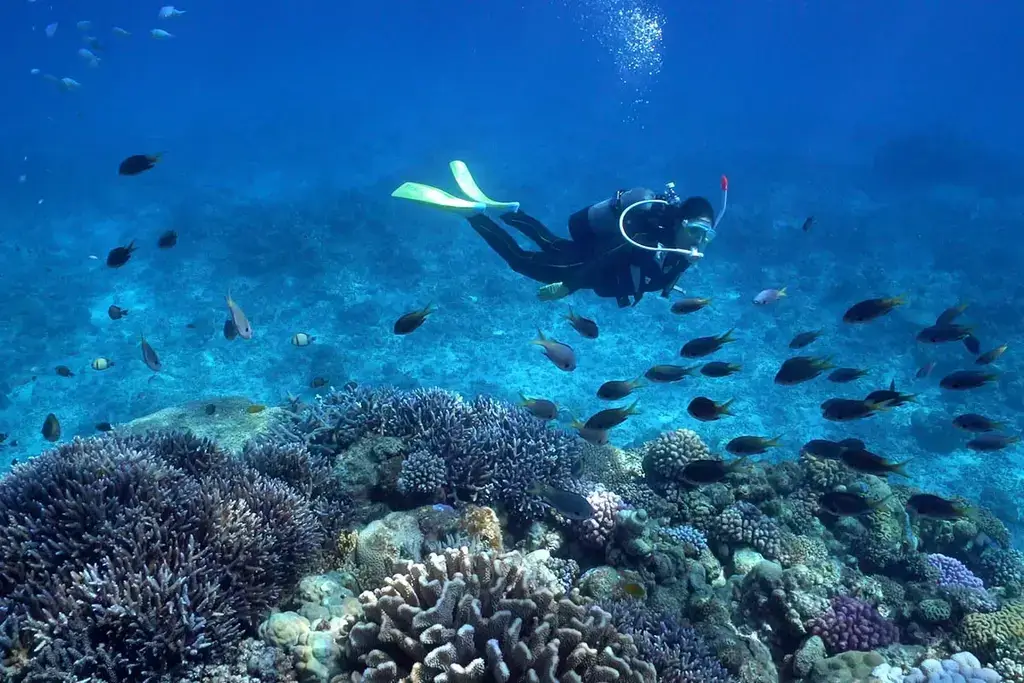
Japan travel is often celebrated for its temples, historic cities, and seasonal landscapes, but it also offers some of the most diverse diving in Asia. Stretching from the cold waters of Hokkaido to the tropical reefs of Okinawa, Japan’s coastline covers thousands of kilometers and supports a wide variety of marine environments. As a result, diving season in Japan can last throughout the year, depending on the region.
Whether divers are interested in colorful coral reefs, large schools of fish, underwater caves, or unique marine species, Japan offers experiences for every skill level. Understanding the different diving seasons and destinations can help visitors make the most of their underwater adventures.
When is diving season in Japan?
Unlike many diving destinations, Japan offers year-round diving opportunities. The best time to dive depends largely on the region and the type of marine life divers hope to see. In southern Japan, particularly in Okinawa and the Yaeyama Islands, diving is possible year-round thanks to warm subtropical waters. Water temperatures often remain comfortable year-round, making the region a popular destination for international divers.
Okinawa: Japan’s Premier Diving Destination
For many travelers, Okinawa is the first place that comes to mind when discussing diving in Japan. Located far south of the main islands, Okinawa enjoys a subtropical climate and is surrounded by coral reefs that support an extraordinary range of marine life. Divers can encounter sea turtles, reef sharks, manta rays, clownfish, and hundreds of other tropical species. The region is also home to colorful coral formations that attract underwater photographers from around the world.
Among Okinawa’s most famous diving areas are the Kerama Islands, known for exceptionally clear water and vibrant reefs. The nearby island groups of Miyakojima and Ishigaki also offer world-class diving, including underwater arches, caves, and seasonal encounters with manta rays. Because water temperatures remain relatively mild throughout the year, Okinawa is often considered Japan’s longest diving season destination.
The Izu Peninsula and Central Japan
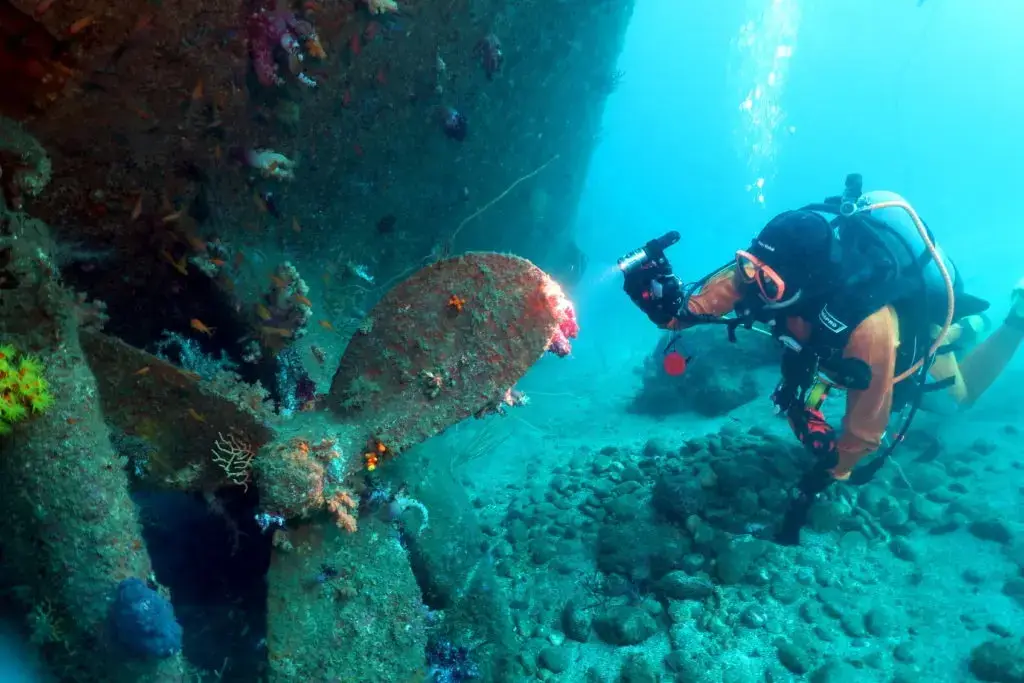
Located southwest of Tokyo, the Izu Peninsula is one of Japan’s most accessible diving regions. The area benefits from the warm Kuroshio Current, which brings a variety of marine life to its coastal waters. Divers visiting Izu can explore rocky reefs, underwater cliffs, and volcanic formations. Seasonal visitors from tropical waters often appear during the warmer months, creating exciting opportunities to observe marine life.
The peninsula offers numerous dive sites suitable for both beginners and experienced divers. Many locations can be reached as day trips from Tokyo, making Izu a popular choice for both residents and international visitors. Visibility often improves during autumn and winter, while summer provides warmer water temperatures and abundant marine activity.
Are you looking for great snacks after a dive? Check out Sakuraco! Sakuraco sends traditional Japanese snacks, teas, and sweets from local makers straight to your door each month!

The Yonaguni Monument Mystery
One of Japan’s most famous underwater attractions lies near Yonaguni Island, Japan’s westernmost inhabited island. Here, divers can visit the Yonaguni Monument, a massive underwater rock formation that has generated debate among researchers and divers for decades.
Some observers believe the formation may contain evidence of human modification, while most geologists consider it a natural rock structure shaped by geological processes and erosion. Regardless of its origins, the site has become one of the world’s most unusual dive destinations.
Strong currents make the area best suited for experienced divers. During certain times of the year, visitors may also encounter large schools of fish and migrating hammerhead sharks. The mystery surrounding the monument continues to attract divers interested in both marine life and underwater geology.
Seasonal Marine Life Encounters
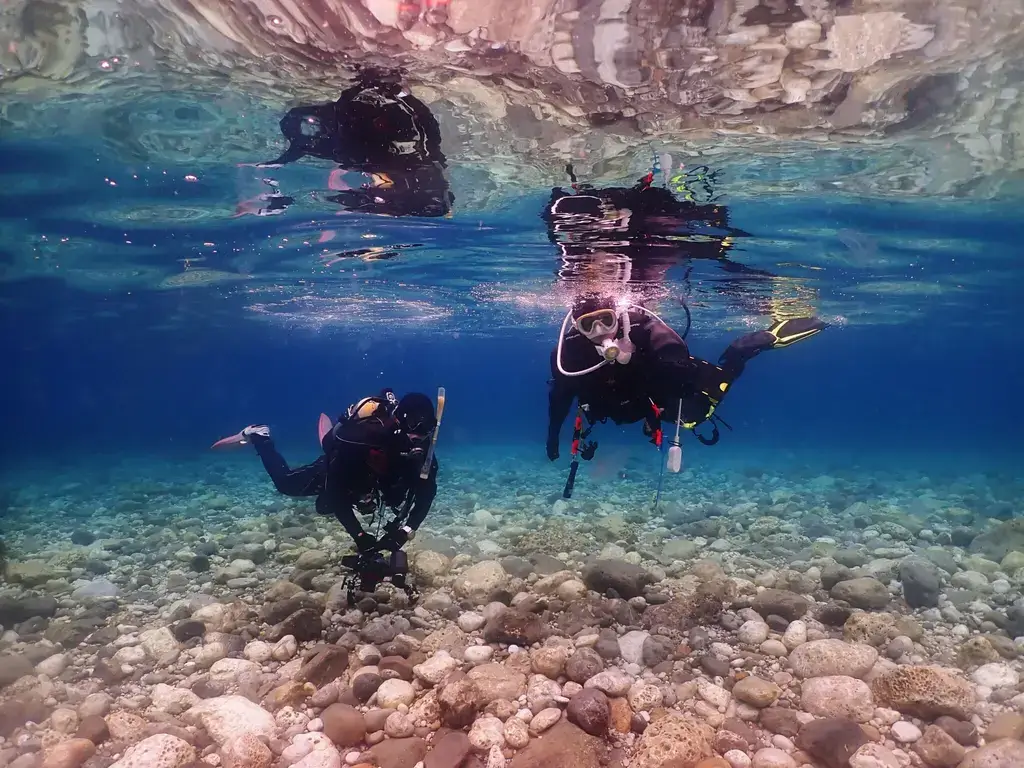
One of the highlights of diving season in Japan is the opportunity to encounter different marine species throughout the year. During the winter months, divers in some regions may observe large schools of hammerhead sharks. Manta rays are a major attraction around Ishigaki Island, where sightings are particularly common during parts of the year.
Sea turtles can be found in several southern destinations, especially around Okinawa’s coral reefs. Divers may also encounter nudibranchs, octopuses, moray eels, rays, and countless species of tropical fish. Japan’s diverse waters also support unique cold-water species in northern regions. This variety allows divers to experience dramatically different underwater ecosystems without leaving the country. The changing seasons create opportunities for repeat visits, as marine life activity varies throughout the year.
Planning a Diving Trip to Japan
Travelers planning a diving trip should consider both the season and their preferred diving style. Those seeking tropical reefs and warm water often choose Okinawa, while divers interested in varied marine environments may explore the Izu Peninsula or other regions along Japan’s extensive coastline.
Certification requirements vary depending on the dive site, particularly in locations known for strong currents or advanced conditions. Many operators offer introductory experiences for beginners and guided dives for certified divers.
Water temperatures, visibility, and marine life activity can change throughout the year, so researching seasonal conditions before traveling is recommended. With destinations ranging from coral reefs to volcanic coastlines, Japan offers an impressive variety of underwater experiences.
A Hidden Side of Japan
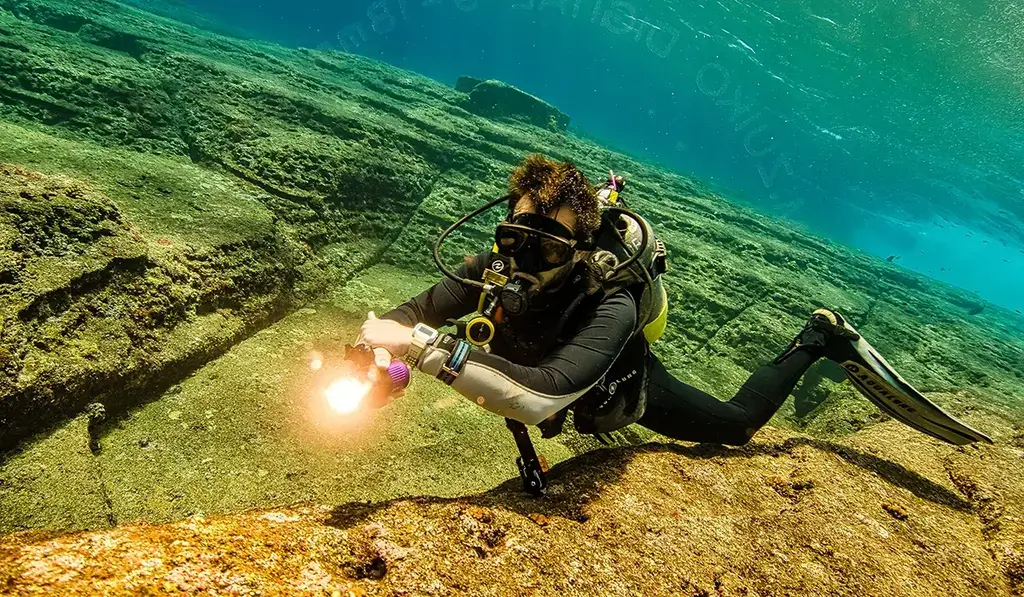
Japan’s underwater world is often overlooked compared to its famous cities, temples, and mountain scenery. Yet beneath the surface lies an equally remarkable environment filled with diverse marine life, dramatic landscapes, and unique dive sites.
From the tropical waters of Okinawa to the mysterious Yonaguni Monument and the rich ecosystems of the Izu Peninsula, the diving season in Japan offers something for every type of diver. The country’s wide range of climates and marine habitats allows visitors to explore different underwater environments year-round. For travelers looking to experience another side of Japan, diving provides an opportunity to discover a world that many visitors never see. Beneath the waves, Japan reveals a natural beauty as impressive as its landscapes on land.

Discover authentic flavors with Sakuraco
Get Sakuraco 
Discover authentic flavors with Sakuraco
Get Sakuraco
Related Articles

Japanese Gifts: Best Ones to Buy for Loved Ones!
Finding the right gift can be tough, especially when you want it to be thoughtful and unique.

Japanese and Arabic Calligraphy: What is the Connection?
Japan’s artistic traditions draw from its deep cultural roots. Calligraphy is one of its most popular forms; it is taught in schools both as a subject and as an art, and is used every day. At higher levels of study, it requires balance, flow, and inner discipline.

Japanese Cemetery: Why Are Families Visiting Less?
A walk through a Japanese cemetery often shows strong ties to family, memory, and tradition. For generations, visiting family graves has been an important custom in Japan. However, fewer people can continue this practice due to busy lives, long distances, and changing family structures.